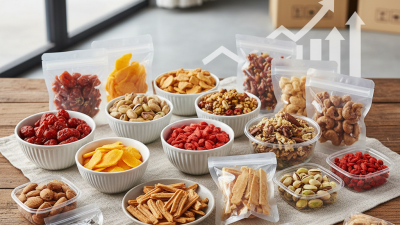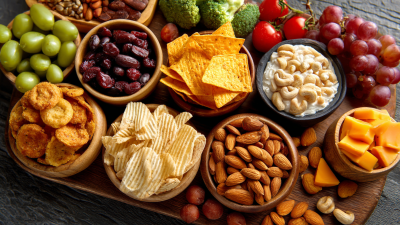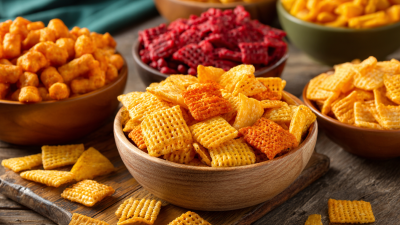
In today's competitive market, innovative snack ideas can set brands apart. As buyers seek unique flavors and textures, the demand for exceptional snacks continues to rise. Impressive snack options not only attract attention but also create lasting impressions.
Imagine vibrant packaging that hints at bold tastes. Picture snacks that blend global cuisines, surprising customers with each bite. Nevertheless, creating these products is not without its challenges. The balance of taste, texture, and presentation is crucial.
As we explore 2026's snack ideas, it is essential to reflect on what works. Trends change rapidly, and staying relevant can be tough. Taking risks with new ingredients could either delight or disappoint buyers. Nonetheless, those who embrace creativity are likely to succeed in this evolving landscape.
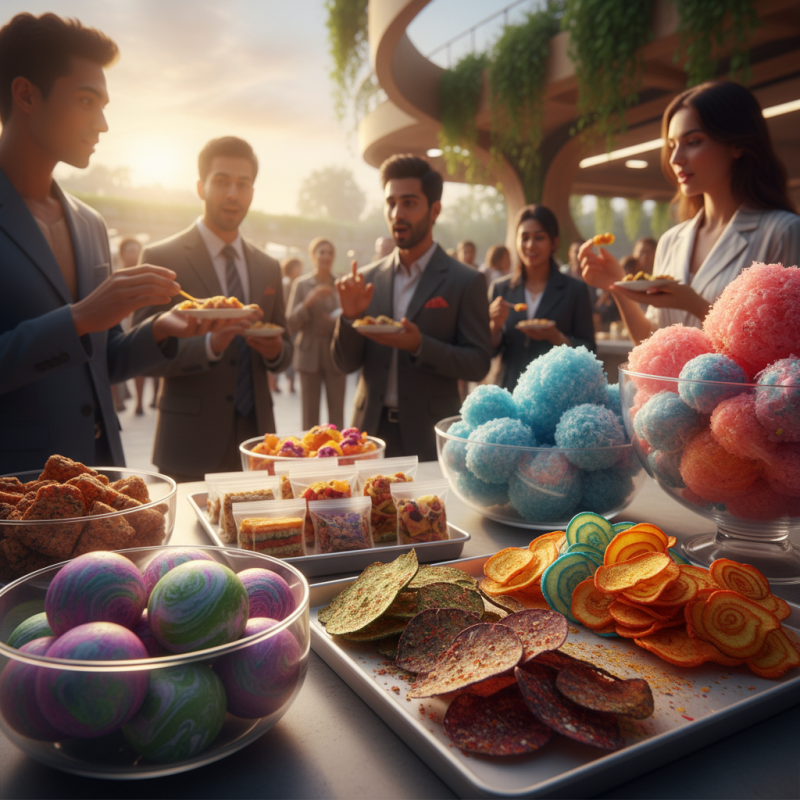
In 2026, snack innovation will shape global markets. Savory snacks with unique textures will gain popularity. Consider
crunchy chickpea puffs or crispy seaweed chips.
These alternatives cater to health-conscious consumers seeking guilt-free indulgence.
Flavors will also take center stage. Expect global influence in snack recipes.
Spicy kimchi popcorn or tangy mango chili bites can tantalize taste buds. These bold combinations highlight the need for
creativity and exploration.
Sustainability will be crucial. Snacks made from upcycled ingredients will resonate with eco-aware buyers.
Popcorn produced from surplus corn or fruit chips from ugly produce could lead to exciting developments. However, the challenge is ensuring these snacks maintain quality and taste.
Meeting consumer expectations will require continuous refinement and adaptation.
Cultural influences shape snack preferences around the world. For instance, Asian markets often favor bold flavors. Spicy snacks dominate in regions like Southeast Asia, where heat and rich spices are popular. Consumers seek snacks that deliver heat and complexity.
In contrast, Western countries often lean towards sweet and savory combinations. Classic flavors like chocolate and cheese remain favorites. However, there is a growing trend in health-conscious options. Snacks that include wholesome ingredients are gaining traction. Yet, brands sometimes struggle to find the perfect balance between health and taste.
Latin American snacks often showcase unique textures. Crunchy tortilla chips and fluffy churros are common favorites. Yet, regional variations can lead to unexpected preferences. Avocado-based dips, for example, are loved in some areas while overlooked in others. Understanding these cultural nuances is crucial for appealing to diverse global buyers.
Health-conscious snacking is on the rise globally. Buyers are looking for options that align with wellness trends. Snacks that are nutrient-dense and made from whole foods are gaining attention. Think of granola clusters with seeds, or roasted chickpeas. These choices are satisfying and packed with protein.
Another trend is plant-based snacks. Products like kale chips or veggie sticks appeal to those seeking healthier lifestyles. These snacks offer crunchy textures and vibrant flavors. However, some might find them less satisfying than traditional options. Taste is crucial, and not all health snacks live up to expectations.
Innovative flavors also draw buyers in. Unique combinations can leave a lasting impression. For example, herbs and spices in nut mixes can elevate an average snack. Yet, finding the right balance is key. Some flavors may overwhelm the palate. Constant testing and feedback are essential for success in this evolving market.
| Snack Type | Key Ingredients | Health Benefits | Popularity Regions |
|---|---|---|---|
| Keto Snack Bars | Almonds, Coconut Oil, Dark Chocolate | Low-Carb, High-Protein | North America, Europe |
| Plant-Based Jerky | Mushrooms, Pea Protein, Soy Sauce | High in Fiber, Low in Fat | United States, Australia |
| Superfood Trail Mix | Pumpkin Seeds, Goji Berries, Quinoa | Rich in Antioxidants, Protein | Global, Trending |
| Chickpea Snacks | Roasted Chickpeas, Spices | High in Protein, Gluten-Free | Europe, Asia |
| Low-Sugar Fruit Wraps | Dried Fruits, Natural Sweeteners | Low-Calorie, Nutrient Dense | Americas, Middle East |
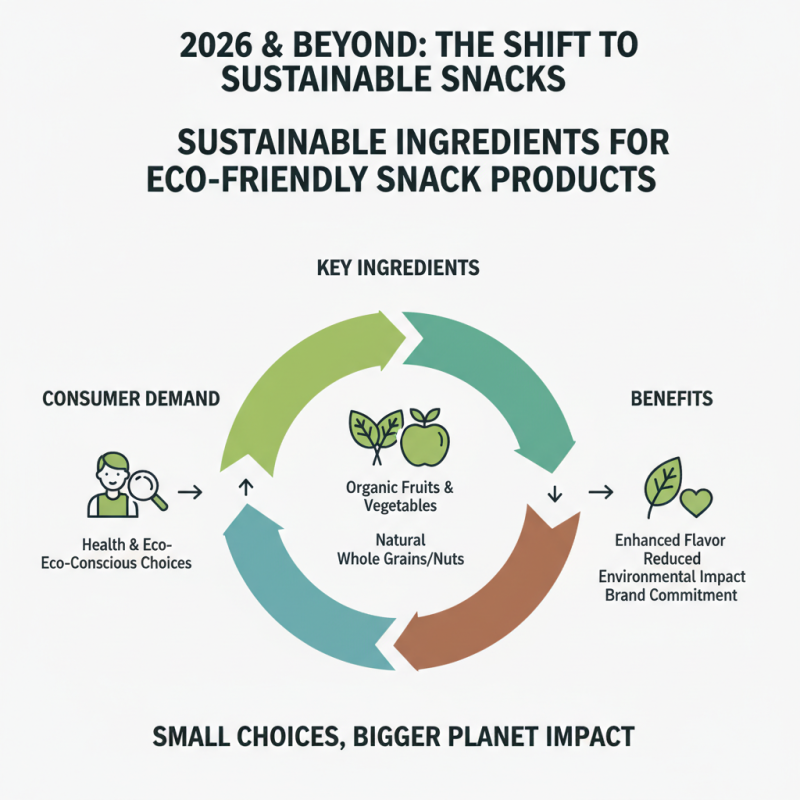
As we move towards 2026, the focus on sustainable snacks is more crucial than ever. Consumers are increasingly aware of their food choices. Eco-friendly ingredients are rising in popularity among health-conscious buyers. Using organic fruits and vegetables can enhance flavor while reducing environmental impact. This approach shows a commitment to sustainability.
Innovative snack ideas can use pulses and ancient grains. They are packed with nutrients and come from sustainable farming practices. For instance, chickpea chips or quinoa bars offer great texture and taste without harmful additives. Local sourcing of ingredients can also create a unique flavor profile. However, balancing sustainability and taste can be challenging. Some ingredients may not appeal to all consumers.
Packaging also plays a vital role. Biodegradable or reusable materials can reduce waste significantly. Yet, finding the right balance between protecting the product and being eco-friendly requires careful thought. It's essential to keep experimenting with combinations and methods. The journey to impress global buyers in 2026 involves commitment, creativity, and continuous learning.
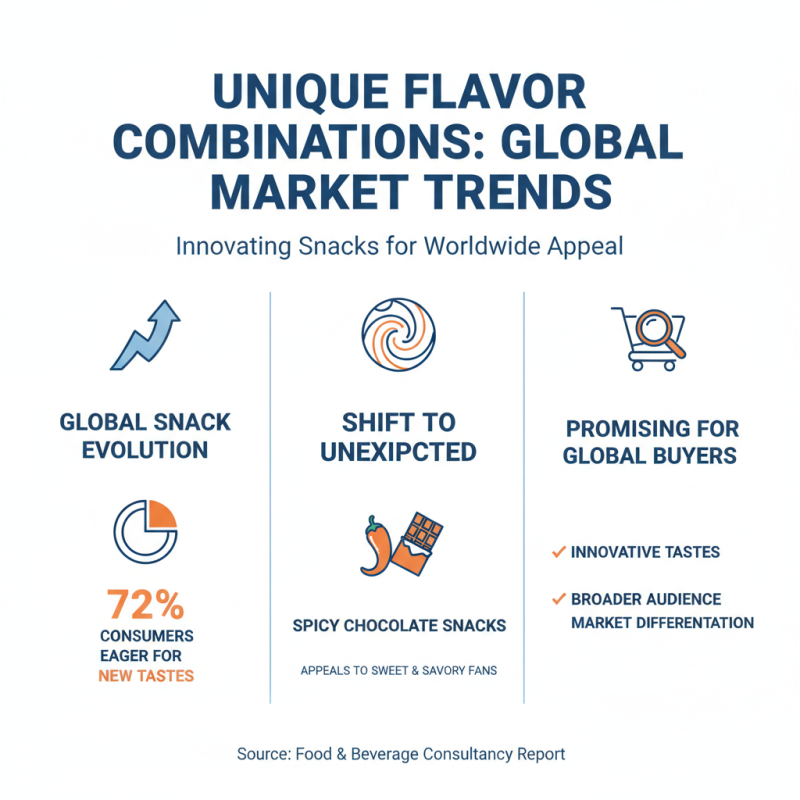
Global snack markets are rapidly evolving, with unique flavor combinations capturing attention. A recent report from a leading food and beverage consultancy highlights that 72% of consumers are eager to try snacks that offer innovative tastes. While traditional flavors dominate, there is a noticeable shift towards the unexpected. For instance, spicy chocolate snacks are gaining traction. This combination surprisingly appeals to both sweet and savory lovers, making it a promising option for global buyers.
Other interesting pairings include umami-infused snacks with an Asian twist. The global fascination with these flavors indicates a strong market opportunity. In fact, studies show that over 60% of Millennials prefer snacks that showcase bold and unusual flavors. However, not all creative combinations succeed. Some flavors may overwhelm the palate, making them less appealing. Brands should navigate these choices carefully, ensuring a balance between creativity and consumer preferences.
As the snack landscape becomes increasingly competitive, the need for experimentation is evident. Companies often face challenges in introducing unconventional flavors without alienating traditionalists. A clear understanding of regional preferences is crucial. For example, while ginger-infused options resonate in some markets, they may struggle in others. This reinforces the importance of local insights in developing flavors that stand out but also resonate.