Skip to content

What Are the Best China Top Snack Options for Global Buyers?

China’s snack industry offers global buyers remarkable variety, from roasted sunflower seeds to individually wrapped sesame pastries. Regional tastes shape texture, sweetness, spice, and portion size. That diversity creates practical opportunities for importers seeking distinctive snack options.

Mondelēz International’s State of Snacking 2024 report found that 91% of surveyed consumers snack at least twice daily. Convenience remains important. However, buyers increasingly examine nutrition, ingredients, and responsible sourcing. Euromonitor International’s Voice of the Consumer: Health and Nutrition 2024 also highlights growing attention to healthier formulations and transparent product information. These findings support demand for Chinese snacks with clear labels, controlled portions, lower sugar, or recognizable ingredients.

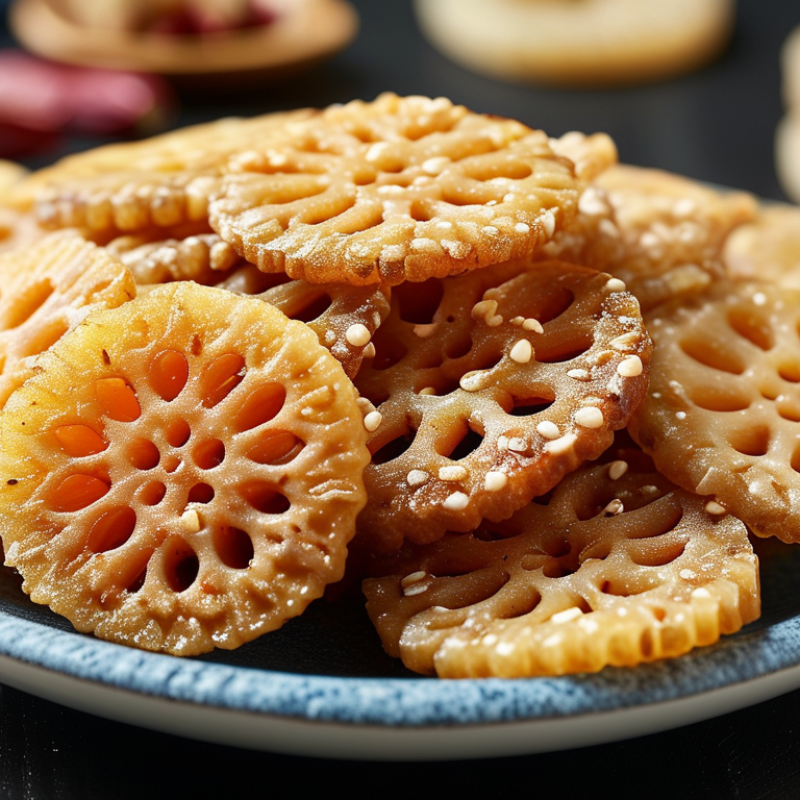
The strongest choices are not always the most fashionable. A crisp lotus-root chip may attract attention, yet moisture can damage its texture during long-distance shipping. Buyers should assess shelf life, oxygen barriers, allergen controls, factory audits, and destination-market labeling before placing large orders. China’s national food standards and each importing country’s rules must both be reviewed carefully. Small details matter.

Innova Market Insights’ 2024 trend analysis emphasizes local authenticity, improved nutrition, and convenient formats. Chinese suppliers can respond with regional flavors, compact packaging, and traceable production. Still, market reports describe broad behavior, not guaranteed sales. A product popular in Shanghai may require less sweetness or different pack sizes in London, Dubai, or Toronto. Testing is essential. Good sourcing combines data, factory experience, sensory trials, and honest reflection about what remains uncertain.
What Are the Best China Top Snack Options for Global Buyers?

What Makes a Chinese Snack a Top Choice for Global Buyers?

A top Chinese snack earns global trust through more than bold flavor. Buyers often assess taste, ingredients, packaging, and supply reliability together. Regional flavors can create strong interest, especially spicy, savory, sweet, and tea-inspired profiles. However, familiar formats usually reduce consumer hesitation. A crisp texture, clear portion size, and convenient resealable pouch can improve trial purchases.

Quality evidence matters. Responsible suppliers should provide ingredient lists, allergen declarations, nutrition panels, shelf-life data, and batch traceability. Independent laboratory testing can support claims about safety and consistency. Packaging should protect snacks from humidity, crushing, and temperature changes during long-distance shipping. Import rules differ by destination, so buyers must verify labeling, additives, language, and documentation before ordering. A good tasting sample is not enough.

Taste it carefully.

Tips: Request samples from different production batches, then compare texture after storage. Ask for moisture-control details and packaging specifications. Check whether the supplier can maintain stable output during larger orders. Do not judge only by a low quotation; hidden costs may include testing, relabeling, freight, and customs delays. My own preference can mislead me, too. A strongly seasoned snack may impress a buyer but disappoint families seeking milder choices. Small consumer tests, honest feedback, and measurable quality records usually reveal more than confident sales language.

What Are the Best China Top Snack Options for Global Buyers?

Typical Protein Content of Export-Friendly Chinese Snack Categories

Roasted peanuts and roasted broad beans stand out for their relatively high protein content, while rice-based snacks and dried fruits offer familiar flavors, convenient formats, and broad consumer appeal. The figures are representative nutrition values per 100 g from generic food-composition references; actual values vary by recipe, processing method, and added ingredients.

Which Chinese Snack Categories Offer the Best Export Potential?

For global buyers, the strongest Chinese snack categories are dried fruit, nuts, rice crackers, and baked biscuits. These products usually offer practical export potential because they have stable textures and manageable shelf lives. Dried mango, preserved plums, sunflower seeds, and mixed nuts suit convenience stores and online channels. Small packs travel well. Buyers should inspect moisture control, oil freshness, and seal strength before placing large orders. A crisp snack can become soft after weeks in a humid container.

Baked biscuits and cereal-based snacks also perform well in markets seeking affordable portion sizes. Simple flavors often travel better than highly regional recipes. Individual sachets, resealable pouches, and cartons with strong inner barriers can reduce breakage and exposure. Confectionery may attract younger consumers, especially when it offers seasonal shapes or unusual textures. Yet heat sensitivity creates problems during summer shipping. Temperature testing is not optional for these products.

From my export checks, buyers should compare ingredient consistency, allergen statements, nutrition panels, and production traceability. Labels must match the destination country’s language and food rules. Halal, vegetarian, or allergen-free claims require reliable documentation, not casual wording. I would also request samples from different production batches. One sample can look perfect. It may not represent regular supply. Lower prices can be attractive, but unstable seasoning, weak packaging, or delayed documents can erase the margin. Category potential depends on demand, compliance, shelf life, and dependable production together.

How Do Popular Chinese Snacks Match Different Market Preferences?

Global buyers should not treat Chinese snacks as one taste profile. The 2024 Innova Market Insights trend report identifies health, protein, and simpler ingredients as major food priorities. That supports dried fruit, roasted nuts, seaweed, and lightly seasoned grain snacks for wellness-led markets. Yet labels need evidence. “Natural” is not a universal claim.

Spicy bean snacks, rice crackers, and crisped peas suit markets seeking bold flavor and playful texture. Heat levels should be separated, not guessed. The 2023 Global State of Snacking report found that 71% of surveyed adults snack at least twice daily. That frequency favors small packs, resealable formats, and clear portion information. A recurring sourcing lesson is simple: buyers often overestimate tolerance for chili. A mild trial carton can prevent expensive rejection.

Different markets also change the acceptable formula. Muslim-majority destinations may require recognized halal certification. European buyers may scrutinize allergens, additives, and sugar declarations. Import rules differ, so local compliance review remains essential. Euromonitor’s 2024 Voice of the Consumer: Health and Nutrition survey shows that health claims influence purchasing, but credibility matters. Suppliers should provide test reports, origin records, and stable specifications. Not every popular domestic flavor will travel well. That is the uncomfortable part. Local sampling remains more reliable than guessing from online comments.

What Are the Best China Top Snack Options for Global Buyers? - How Do Popular Chinese Snacks Match Different Market Preferences?

Chinese Snack Category Typical Product Form Core Flavor Profile Common Ingredients Typical Unopened Shelf Life* Best-Match Market Preferences Recommended Retail Format Key Dietary and Import Considerations
Roasted Sunflower Seeds In-shell or shelled seeds; roasted and seasoned Nutty, roasted, lightly salted, or spiced Sunflower seeds, salt, spices, vegetable oil in some formulations Approximately 6–12 months, depending on packaging and oil stability Mediterranean-style snacking Social sharing Low-sugar choices Small single-serve bags, resealable family pouches, and mixed-seed assortments Check seed-allergen statements, aflatoxin controls where applicable, salt levels, and shell-disposal requirements.
Rice Crackers and Rice Cakes Thin baked crackers, puffed rice pieces, or filled rice snacks Lightly sweet, savory, soy-flavored, or mildly spicy Rice flour, rice, sugar or salt, seasonings, and sometimes soy or sesame Approximately 6–12 months Light-texture snacks Family consumption Mild flavors Portion packs, multipacks, lunchbox packs, and transparent snack pouches Suitable for many vegetarian ranges, but formulations should be checked for soy, sesame, dairy, and gluten cross-contact.
Dried Fruit and Fruit Leather Dried slices, cubes, whole fruit, or pressed fruit sheets Fruity, sweet-tart, chewy, or naturally sour Fruit, sugar in some products, citric acid, and permitted preservatives where used Approximately 6–12 months Health-conscious shoppers Natural-positioned snacks Portable energy Resealable pouches, snack bars, travel packs, and ingredient-focused cartons Declare added sugar clearly; verify sulfite use, moisture control, fruit-origin documentation, and color-preservative requirements.
Spicy Wheat-Based Snack Strips Chewy strips, sheets, knots, or bite-sized pieces Chili-forward, savory, aromatic, and sometimes sweet-spicy Wheat flour or wheat gluten, chili, salt, sugar, spices, and vegetable oil Approximately 6–12 months Adventure flavors Young adult consumers Convenience retail Small impulse packs, mixed-heat variety packs, and resealable pouches Usually contains wheat and may contain soy; assess allergen labeling, chili heat descriptions, additives, and texture stability.
Tea-Flavored Biscuits and Pastries Crisp biscuits, filled cookies, or individually wrapped pastries Sweet, buttery, roasted-tea, sesame, or mildly floral Wheat flour, sugar, vegetable fat or butter, tea powder, milk, eggs, or sesame depending on the recipe Approximately 6–12 months for dry biscuits; shorter for moist pastries Tea-time occasions Giftable assortments Premium flavor exploration Decorative cartons, individually wrapped portions, and assorted gift tins Common allergens may include wheat, milk, egg, soy, and sesame; confirm whether animal-derived ingredients are used.
Preserved Plums and Salted Fruit Whole fruit, sliced fruit, fruit pieces, or powdered fruit seasoning Sour, salty, sweet, tangy, and sometimes licorice-like Plum or other fruit, salt, sugar, citric acid, and spices Approximately 12–18 months, depending on moisture and packaging Strong flavor profiles Culinary curiosity Small-format impulse sales Mini pouches, pocket-size sachets, tasting assortments, and resealable jars High acidity and salt may affect positioning; review preservative declarations, sodium content, and consumer guidance for whole-pit products.
Bean-Based Cakes and Mochi-Style Snacks Soft cakes, filled rice cakes, or individually wrapped bean-paste pieces Sweet, mildly earthy, creamy, or chewy Adzuki bean, mung bean, rice flour, sugar, wheat flour, or vegetable fat depending on the product Approximately 1–6 months; refrigerated products may have a shorter distribution window Asian dessert familiarity Gift occasions Soft-texture products Individually wrapped pieces, premium gift boxes, and mixed-flavor cartons Pay close attention to temperature control, water activity, allergen labeling, choking-risk guidance for chewy products, and permitted preservatives.
Instant Noodle Snack Packs Dry noodle blocks or bite-sized noodles eaten as a crunchy snack Salty, savory, chili, barbecue-style, or umami-rich Wheat flour, palm or vegetable oil, salt, spices, dehydrated vegetables, and seasoning powders Approximately 6–12 months Convenience-led markets Savory snacking Youth-oriented channels Single-serve packs, multipacks, and flavor sampler boxes Typically contains wheat and may contain soy, sesame, milk, or seafood-derived seasonings; verify sodium, trans-fat, and additive rules.
Peanut and Sesame Brittle Pressed brittle, bite-sized clusters, or individually wrapped pieces Caramelized, nutty, toasted, and sweet Peanuts or sesame, sugar, maltose or syrup, and sometimes vegetable oil Approximately 6–12 months Traditional confectionery Festive gifting Premium snack counters Gift boxes, small paper trays, individually wrapped pieces, and seasonal assortments Peanut and sesame are major allergens; use moisture-barrier packaging and provide clear breakage and allergen information.
*Shelf-life ranges are typical commercial estimates for unopened products and vary according to recipe, water activity, preservatives, packaging barrier, storage temperature, and destination-country regulations. Buyers should confirm final specifications through product testing and supplier documentation.

What Quality and Compliance Factors Should Buyers Evaluate?

For global buyers, China’s top snack options should be judged by evidence, not attractive packaging. Check the ingredient list, allergen statement, nutrition panel, net weight, and country-of-origin details. Labels must match the destination market’s language and formatting rules. Small errors can delay customs clearance.

Request a recent certificate of analysis for each production batch. It should cover microbiological limits, moisture, heavy metals, pesticide residues, and relevant additives. Compare the test date with the shipment date. Review the factory’s food-safety system, sanitation records, pest-control logs, and employee hygiene training. Recognized systems such as HACCP or ISO 22000 can support confidence, but a certificate alone proves little.

Traceability matters when cartons arrive damaged or a batch shows unexpected odor. Every package should carry a clear lot code, production date, expiry date, and storage instruction. Check whether the packaging protects texture during long sea transport. Excess humidity can turn crisp snacks soft before arrival. Independent laboratory testing is wise, even when supplier documents look complete. This adds cost, and sometimes buyers skip it. That decision deserves careful reflection. Suppliers should also provide recall procedures and corrective-action records, not only polished samples.

How Can Global Buyers Select and Source the Right Chinese Snacks?

Global buyers should select Chinese snacks by market fit, not by low price alone. Start with taste, texture, and portion size. A spicy cracker may attract one market but disappoint another. Request samples from several suppliers, then test them with local consumers. Record comments about sweetness, oiliness, crunch, and aftertaste.

Review the supplier’s production experience, quality records, and export capability. Ask for ingredient specifications, allergen statements, nutrition data, and batch traceability. Check whether packaging protects the snack from humidity during ocean transport. Confirm the shelf life after arrival, not only at factory dispatch. Independent laboratory testing can verify key safety and quality indicators. Supplier audits are also useful, although a single visit cannot reveal everything.

Compare minimum order quantities, lead times, payment terms, and replacement policies in writing. A clear purchase specification should cover flavor, weight tolerance, carton strength, labeling language, and storage conditions. Import rules differ by destination, so buyers should consult local regulatory professionals before placing large orders. Do not rely on translated documents alone. Small details can become expensive problems. A cheaper snack with damaged cartons or unclear labels may cost more after customs delays. Even careful buyers miss something sometimes; reviewing the first shipment honestly can improve the next order.

Back To Top