2026 Best Healthy Snacks for Global Buyers to Try
As global consumers become increasingly health-conscious, the demand for the best healthy snacks continues to rise. The trend reflects a shift towards nutritious options that are both convenient and flavorful. People are seeking snacks that not only satisfy cravings but also align with their wellness goals.
In this comprehensive guide, we explore the best healthy snacks available globally. These options are rich in essential nutrients, making them perfect for busy lifestyles. From crunchy veggie chips to protein-packed nut mixes, there is something for everyone. However, navigating this market can be challenging. Many products claim to be healthy but are often laden with hidden sugars and preservatives.
With the right information, you can make informed choices. Understanding labels and ingredients is vital. You might even find that some popular healthy snacks are not as nutritious as they seem. Stay curious and open to exploring new flavors while prioritizing your health with the best healthy snacks.
2026 Trends in Healthy Snacks for Global Consumers
As the global demand for healthy snacks continues to rise, 2026 trends showcase innovative options tailored for diverse consumer preferences. Reports suggest that the healthy snack market is projected to grow at a CAGR of 8.5% from 2021 to 2026, reflecting increasing health consciousness across demographics. This shift influences not only what consumers buy but also how companies formulate their products.
There is a noticeable trend towards plant-based snacks, with a 35% increase in alternatives made from nuts, seeds, and legumes. Additionally, clean-label products gain traction, as 70% of shoppers desire transparency in ingredient sourcing. They are looking for snacks free from additives and preservatives. This demand indicates a shift from typical processed snacks towards those that align with a healthier lifestyle.
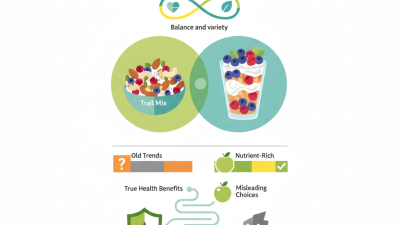
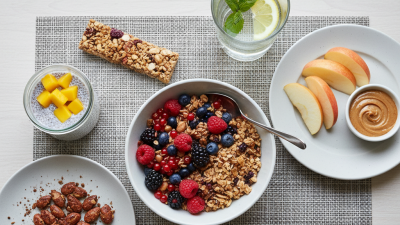
Incorporating variety in your snack choices can enhance the nutritional value. Choose snacks rich in fiber and protein to keep you full longer. Consider trying a mix of fruits, nuts, and whole grains for balanced nutrition. It's crucial to read labels carefully, even on healthy snacks. Not all appear as they seem, so reflecting on your choices can lead to smarter snacking decisions.
Nutritional Benefits of Popular Healthy Snacks Worldwide
As global buyers seek healthier options, snacks play a vital role. A report from the Global Nutrition Report 2021 highlights that snacking accounts for nearly 28% of daily energy intake in many countries. This shift towards healthier snacking is driven by the rising awareness of nutritional benefits.
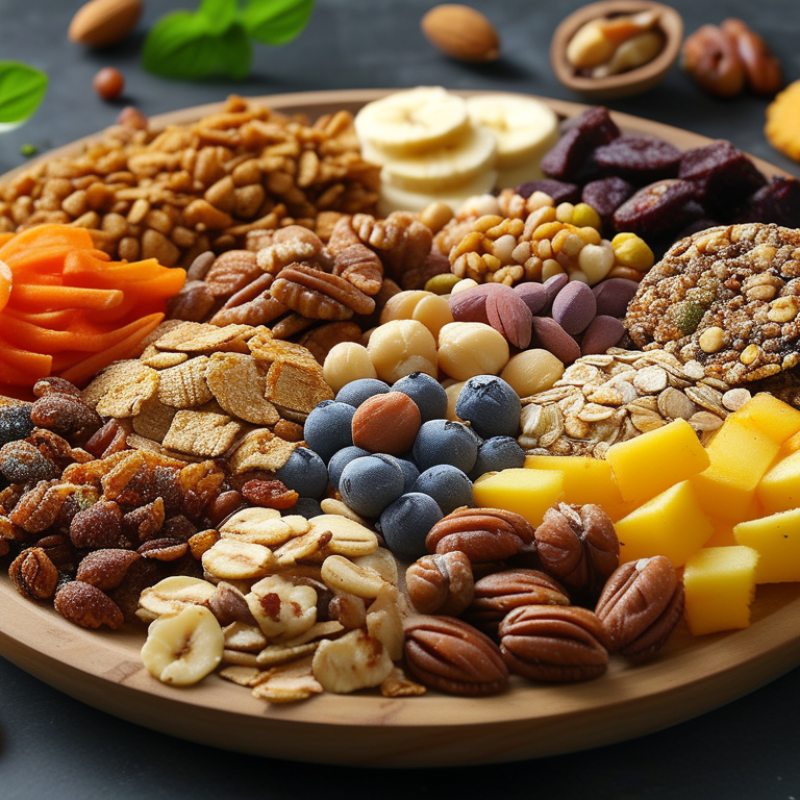
Fruits, nuts, and seeds are popular choices. They provide essential vitamins, minerals, and healthy fats. For example, almonds offer magnesium and vitamin E, promoting heart health. A study published in the Journal of Nutrition found that consuming nuts regularly can lower the risk of cardiovascular disease by up to 30%. Meanwhile, dried fruits like apricots and figs are rich in fiber, aiding digestion and promoting satiety. The World Health Organization emphasizes the importance of fiber in reducing the risk of chronic diseases.
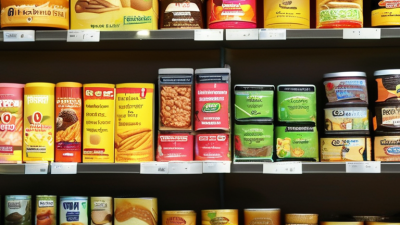
However, not all snacks are created equal. Many options are marketed as healthy but can be misleading. They may contain added sugars or unhealthy fats. A survey by the International Food Information Council revealed that 43% of consumers find it challenging to identify healthy snacks. This underscores the need for transparency in food labeling. Ultimately, informed choices are crucial for maximizing the health benefits of snacks while avoiding pitfalls.
Exploring Unique Healthy Snack Options from Different Cultures
Healthy snacks are an essential part of any diet. Many cultures have unique options that provide both nutrition and flavor. For instance, in Japan, rice crackers called senbei are popular. They are often seasoned with soy sauce or seaweed. These snacks are light, crunchy, and low in calories.
In the Middle East, you might encounter roasted chickpeas. These snacks are high in protein and fiber. They can be spiced with cumin or paprika for a flavorful kick.
Similarly, in South America, quinoa puffs are gaining attention. These snacks are crunchy and packed with nutrients. However, it's important to consider portion sizes, as they can be easy to overeat.
Exploring diverse snack options can be exciting, yet it reminds us to be mindful of our choices. Snack varieties from different cultures reflect culinary creativity. However, we must balance uniqueness with health benefits. It’s not always easy to find the perfect snack, but trying new flavors can be an enjoyable experience. Each culture offers a delicious way to nourish ourselves.
Sourcing Sustainable Ingredients for Healthy Snacks
Sourcing sustainable ingredients for healthy snacks has become a crucial trend in the global market. Consumers are more conscious of where their food comes from. They seek snacks that not only taste good but are also ethically produced. This pushes manufacturers to explore local and organic sources that promote environmental sustainability.
Focusing on whole, unprocessed ingredients is key. For example, nuts and seeds provide healthy fats and protein. Look for suppliers who practice responsible farming. This ensures your snacks are nutrient-dense and environmentally friendly. It’s important to evaluate the supply chain. Transparency builds trust with consumers.
When choosing snack ingredients, consider seasonal produce. They tend to be fresher and require less energy to transport. Small changes, like opting for recycled packaging, can greatly reduce waste. Encourage collaboration with local farmers. This can enhance the community and minimize carbon footprints. Carefully vetting sources and balancing quality with sustainability can lead to healthier choices.
Packaging Innovations in the Healthy Snack Industry
Innovations in packaging for healthy snacks are reshaping the market. Research shows that
72% of consumers prioritize convenient and sustainable packaging. In recent years,
brands have turned to biodegradable materials and reusable containers. This shift reflects a growing
awareness of environmental concerns among consumers.
Smart packaging technology is also on the rise. Some brands now utilize
QR codes that link to nutritional information and sourcing stories. This transparency
caters to health-conscious buyers keen on making informed choices. Data suggests that
64% of shoppers appreciate brands that share sustainability efforts on their packaging.
It's important to rethink traditional snack packaging. While appealing designs attract consumers,
functionality should not be overlooked. Many packaging innovations now include resealable options,
maintaining freshness and encouraging portion control. This caters to the needs of those looking for
healthy snacking solutions without excess.
For brands, understanding consumer behavior is crucial. Regularly gathering feedback can help fine-tune
packaging strategies. Considering user experience in packaging design could lead to higher customer
satisfaction. Striving for both aesthetic appeal and practicality will set products apart in this
competitive industry.