Skip to content

The Best Snack Options in China for Global Buyers?

In an ever-evolving global market, understanding the best snack options in China is essential for buyers. Wendy Wang, a renowned food industry expert, emphasizes, "Chinese snack options reflect the rich culture and diverse tastes of the nation." This insight highlights the unique characteristics of Chinese snacks, making them appealing to global consumers.

The variety of snack options available in China can be overwhelming. From traditional rice cakes to innovative flavored nuts, there is something for everyone. Clever packaging and eye-catching designs play crucial roles in attracting buyers. However, not all snacks meet high standards of quality or taste, prompting buyers to carefully assess their choices.

Navigating the myriad of snack options requires more than just shopping skills. Buyers need to consider local preferences and trends. This can lead to missed opportunities if not done thoughtfully. By being aware of both popular and niche snack options, global buyers can foster successful partnerships. Embracing the intricacies of the snack culture in China can yield rewarding results.
The Best Snack Options in China for Global Buyers?

Traditional Chinese Snacks: An Overview of Popular Choices

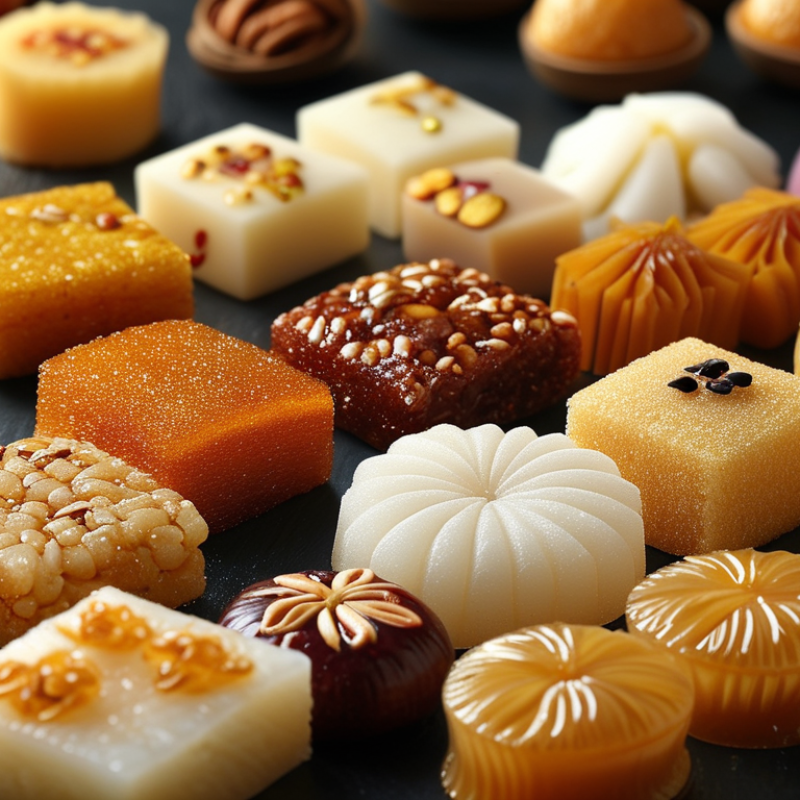
Chinese snacks offer a delightful array of flavors and textures. Street vendors and specialty shops make them widely available. From sweet to savory, each region has its own specialties. For example, in Sichuan, spicy snacks dominate, showcasing the bold taste of chili peppers. In contrast, coastal areas feature seafood snacks, often fermented or dried for preservation.

Popular choices include rice cakes, often chewy and served with various toppings. Sesame balls are another favorite, with their crunchy exterior hinting at a sweet filling within. Fresh fruits also appear, with vendors selling slices of tropical varieties. Despite their popularity, some snacks may introduce unfamiliar textures that can be surprising. It's important to keep an open mind when trying these delicacies.

While indulging, it's essential to consider dietary restrictions. Some snacks may contain allergens or ingredients not suitable for everyone. Trying new snacks can be fun, but awareness is key. Enjoying traditional Chinese snacks can contribute to an enriching culinary experience. Each bite tells a story of culture and tradition, connecting global buyers to China's vibrant heritage.

Regional Variations: Exploring Snacks from Different Chinese Provinces

China boasts a rich tapestry of snacks that varies significantly from province to province. In Sichuan, spicy and bold flavors dominate, with snacks like spicy rice cakes and pickled vegetables reigning supreme. These snacks offer a fiery kick that many find irresistible. In contrast, the coastal province of Guangdong showcases delicate, sweet treats. Here, you’ll encounter things like almond cookies and egg tarts. The textures are often light and flaky, appealing to those with a sweeter palate.

Moving north, the snacking culture shifts again. In Beijing, the iconic jianbing—a crispy, savory crepe—often captures the hearts of locals and visitors alike. It encapsulates the city’s fast-paced lifestyle and is a common breakfast choice. Not far behind, the northeastern region introduces a heartier snack scene, with dishes like preserved meat treats and potato-based snacks. These often reflect local agricultural practices, showcasing regional produce.

Exploring these variations reveals more than just food; it uncovers cultural stories and local traditions. Each snack has its origin rooted in the environment and history of its province. Noticing these details enhances the experience of tasting Chinese snacks. While many snacks are generally well-loved, not every flavor will resonate with every palate. It's this very diversity that sparks discussions and reflections on individual taste preferences across different communities.

Health-Conscious Options: Nutritious Snacks for Global Buyers

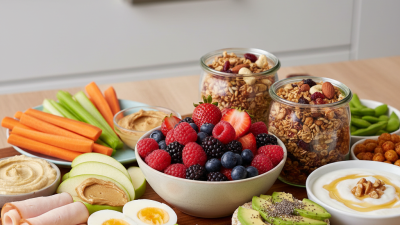
Health-conscious snacking has become increasingly important for global buyers. In China, a diverse range of nutritious snacks caters to this trend, featuring options that appeal to varying dietary preferences. According to a recent report by Technavio, the healthy snacking market is projected to grow by over 6% annually, reflecting rising consumer awareness of health and nutrition.

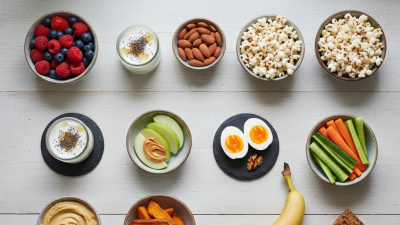
One popular snack option is roasted seeds. These crunchy snacks deliver protein and healthy fats, making them a smart choice for those on the go. Seaweed snacks are also gaining traction. They are low in calories and high in vitamins, providing a guilt-free snack alternative. The shift towards plant-based snacks is evident, with many consumers now choosing lentil chips or chickpea snacks that are high in fiber and nutrients.

Tips: Pay attention to ingredient lists. Look for snacks with minimal additives. Consuming snacks with high fiber can help with digestion and keep you fuller longer. Remember, it’s not just about calorie counts; consider protein content as well. This focus on nourishment is crucial as we redefine what snacking means in a healthier context.

The Best Snack Options in China for Global Buyers - Health-Conscious Options: Nutritious Snacks for Global Buyers

Snack Category Nutritional Highlights Flavor Profile Common Ingredients
Nuts & Seeds High in protein and healthy fats Savory, with slight sweetness Almonds, walnuts, sunflower seeds
Dried Fruits Rich in fiber and vitamins Sweet, often tangy Dates, apricots, goji berries
Rice Cakes Low calorie, gluten-free Neutral, can be flavored Brown rice, millet, sea salt
Vegetable Chips Low in calories, high in vitamins Salty, crispy Kale, beet, sweet potato
Protein Bars High in protein, convenient Sweet, creamy Whey protein, oats, honey

Innovative Snacks: Unique Flavors and Trends in Chinese Treats

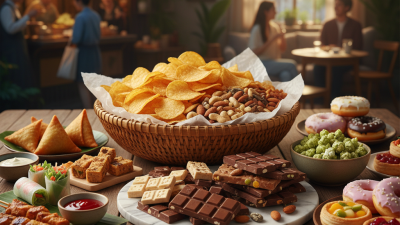
Chinese snacks have become a fascinating subject for international buyers. The range of flavors and textures is impressive. Street vendors often sell treats that highlight the country's culinary diversity. From spicy to sweet, the unique combinations are enticing. Some popular options include crispy rice snacks with bold seasonings. Others feature savory meats wrapped in flaky pastries.

In recent years, innovative snacks have emerged. Traditional flavors are being reimagined into new products. For instance, matcha is blended into snacks, creating a refreshing twist. Snacks infused with spicy sauces surprise taste buds. These variations show the inventive spirit of Chinese cuisine. Many products also celebrate regional influences, showcasing local ingredients and methods. Towns and cities have their own specialties, offering a deeper exploration of flavor.

Trends in packaging are noteworthy as well. Eye-catching designs attract buyers and make products memorable. They often tell a story about the snack's origin. A focus on health-conscious ingredients is also evident. Many brands experiment with low-sugar and gluten-free options. These innovations reflect changing consumer preferences. While some new snacks are exciting, others might not resonate with everyone. The adventure lies in trying new flavors.

The Best Snack Options in China for Global Buyers

How to Source and Purchase Snacks: A Guide for International Buyers

When sourcing snacks in China, buyers face a vibrant landscape of choices. Local markets offer unique items, such as crispy seaweed and spicy dried fruits. Engaging with local suppliers can provide insights into popular flavors and consumer preferences. Understanding the regional diversity in taste is essential for effective sourcing.

Researching potential suppliers is critical. Check for certifications and past client reviews to gauge reliability. Building relationships with suppliers may offer better pricing and unique products tailored to your market. Consider starting with small orders to test quality before scaling. This step can save future headaches and foster strong partnerships.

It's important to be aware of cultural differences. Taste preferences vary widely across regions. Communication can sometimes get lost in translation. Being patient and open to feedback can enhance collaboration. Observe local consumption patterns to gain insights into the best-selling snacks in various regions. Your sourcing strategy should be adaptable to shifting trends.

Back To Top