Skip to content

How to Choose Good Snacks for a Healthy Lifestyle?

Choosing good snacks is essential for a healthy lifestyle. Snacks play a significant role in our daily nutrition. They can provide energy and nutrients, but not all snacks are created equal.

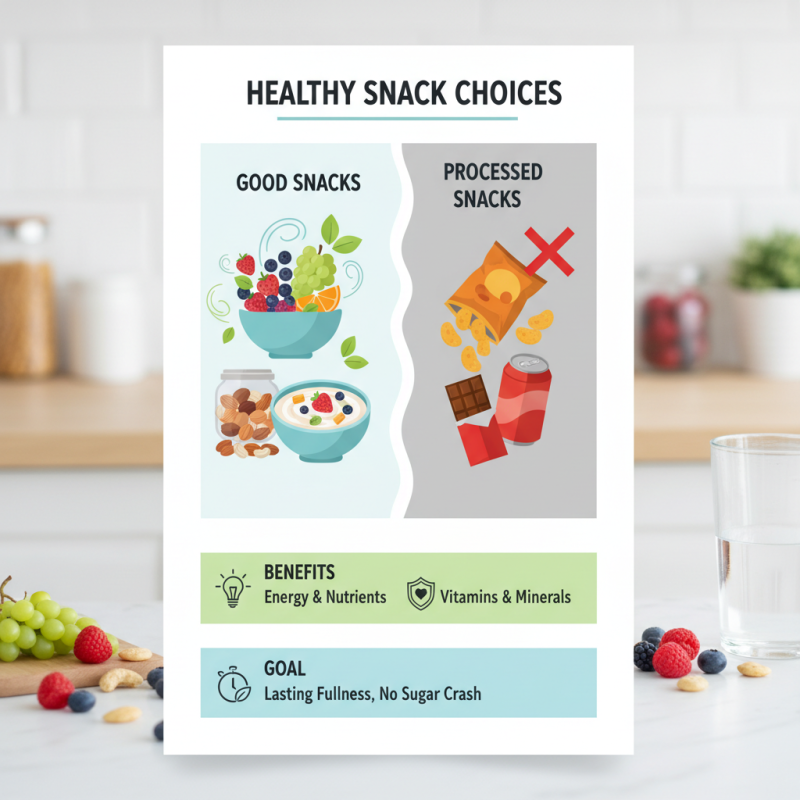
Good snacks should be rich in vitamins and minerals. Fruits, nuts, and yogurt are excellent choices. They are not only delicious but also satisfying. However, many often reach for processed snacks. These can be tempting, but they often lack nutrition.

A healthy snack should ideally keep you satisfied until your next meal. It should provide lasting energy without causing sugar crashes. Reflect on your snack choices. Are they helping or hindering your health goals? In today’s world, finding good snacks can be a challenge, but it is not impossible. With mindful selection, you can enjoy tasty and nutritious options.
How to Choose Good Snacks for a Healthy Lifestyle?

What Defines a Healthy Snack? Characteristics to Consider

When selecting healthy snacks, consider their nutritional value. A good snack should provide essential vitamins and minerals. Look for snacks that are rich in fiber and protein. These components keep you full and support your energy levels over time. Fresh fruits, vegetables, and nuts can be excellent choices. They offer natural flavors and nutrients.

Pay attention to ingredients. Healthy snacks often contain whole foods without added sugars or artificial additives. Check the labels carefully. Even when marketed as healthy, some snacks may have hidden unhealthy ingredients. Selecting whole, unprocessed foods is typically safer.

Variety is also crucial to maintaining a balanced diet. Focus on incorporating multiple food groups. This approach not only prevents boredom but also ensures a wider range of nutrients. However, it’s easy to get stuck in a snack routine. Reflect on your choices regularly. Are they truly healthy or just convenient? This reflection can help you improve your snack game.
Understanding Nutritional Labels: How to Read and Interpret Them

Understanding nutritional labels is crucial for making healthy snack choices. Many consumers overlook important details while shopping. A report from the Food and Drug Administration states that about 60% of people do not fully understand nutritional labels. This lack of knowledge can lead to poor dietary choices.

When reading a label, pay attention to serving size. It’s easy to misinterpret the total calories or nutrients when consuming multiple servings. The calorie count per serving may seem low, but in reality, you could consume twice that amount. Look for sugar content too. The American Heart Association recommends no more than 25 grams of added sugar per day for women and 36 grams for men. Yet, many snacks exceed these numbers in a single serving.

Additionally, watch out for misleading terms. Words like "healthy" or "natural" can be deceptive. A snack might carry those labels but still contain unhealthy fats or high sodium levels. A study showed that many “healthy” snacks contain over 300 mg of sodium per serving. This is alarming for those looking to maintain a balanced diet. Monitoring these details can be tedious, but it is a necessary part of promoting a healthy lifestyle.

Balancing Macronutrients: Carbs, Proteins, and Fats in Snacks

How to Choose Good Snacks for a Healthy Lifestyle?

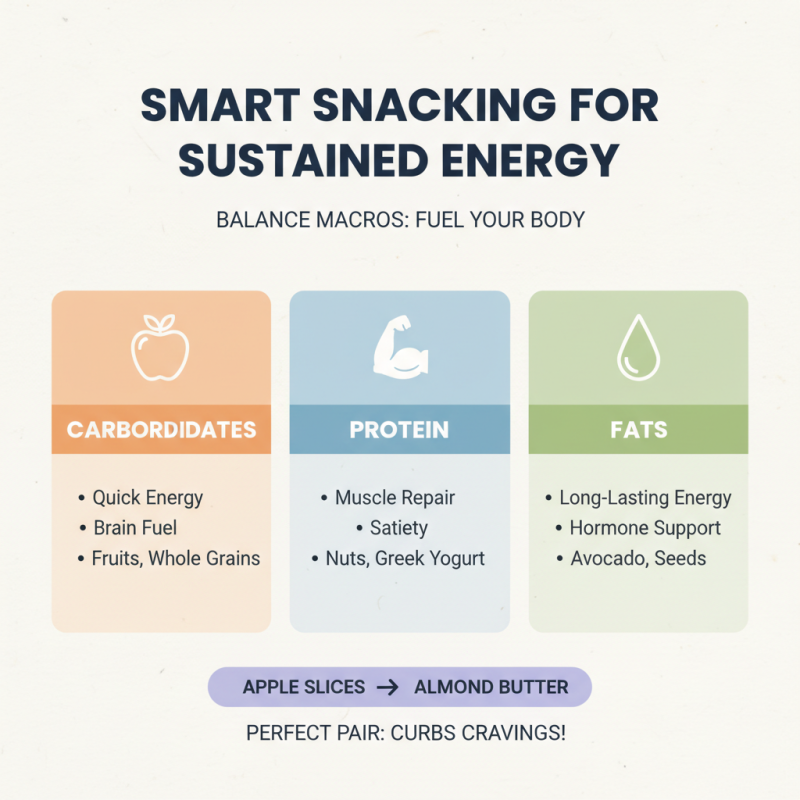
When choosing snacks, balancing macronutrients is key. Carbohydrates, proteins, and fats work together to fuel your body. A well-rounded snack can boost energy and improve focus. For example, apple slices with almond butter provide healthy fats and natural sugars. This combination keeps cravings at bay.

Protein-rich snacks are essential too. Greek yogurt or cottage cheese topped with berries offers a creamy treat. The protein helps in muscle repair and keeps you satiated. However, it’s easy to overindulge in snacks. Portion control is often overlooked. A handful of nuts can quickly turn into a full bag.

Finding the right balance is an ongoing process. Some days, you may crave more carbs. Other days, you might lean towards proteins or fats. Experiment with different combinations. Not every snack needs to be perfectly balanced. Listen to your body's cues and adjust accordingly. The journey to healthier snacking takes time and reflection.

Incorporating Fruits and Vegetables: Benefits and Ideas for Snacks

How to Choose Good Snacks for a Healthy Lifestyle?

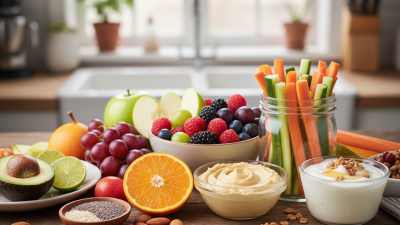
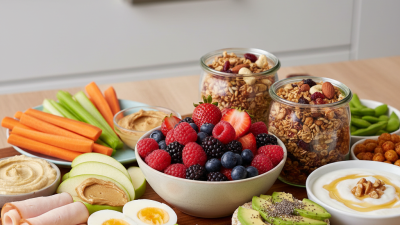
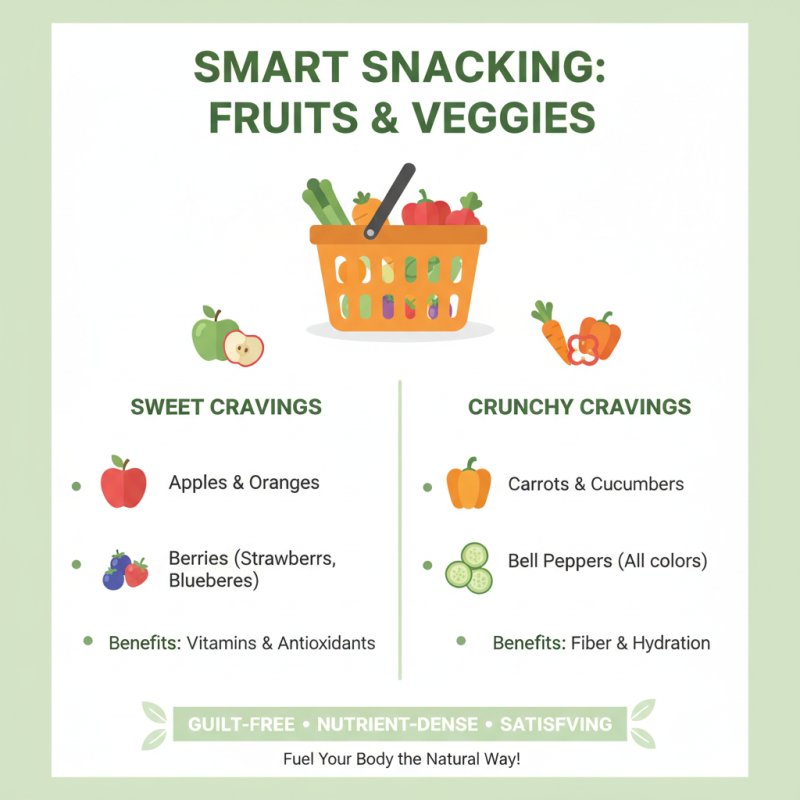
Incorporating fruits and vegetables into your snacking routine can be a game-changer. Fresh fruits like apples, oranges, and berries are packed with vitamins and antioxidants. Crunchy veggies such as carrots, cucumbers, and bell peppers provide fiber and hydration. They can satisfy cravings without added sugars or unhealthy fats.

Experimenting with new combinations can lead to exciting snack discoveries. Try pairing hummus with sliced bell peppers or making a fruit salad with yogurt. These options not only taste good but also nourish your body. However, it's easy to fall back on processed snacks, which are tempting but less healthy. Sometimes, the convenience of packaged snacks is hard to resist.

It’s worth prioritizing whole foods when possible. Preparing sliced veggies or fruit in advance can save time during busy days. Yet, it can be challenging to keep that routine consistent. Aim for a balance, and don't be too hard on yourself. Each small step towards healthier snacking can contribute to a better lifestyle.

Tips for Mindful Snacking: Avoiding Overindulgence and Cravings

Mindful snacking is crucial for a healthy lifestyle. Research shows that 48% of adults snack to manage cravings. It’s easy to reach for sugary or salty options during these moments, but that can lead to overindulgence. Instead, consider alternatives that nourish rather than deplete your energy. Try raw nuts, fruits, or yogurt instead of processed snacks. These choices provide essential nutrients and satisfy hunger more effectively.

Pay attention to portion sizes. The average snack size has increased over the years, with many individuals consuming double what they need. Use smaller bowls or containers for snacks to avoid mindless munching. A 2021 study indicated that individuals who used smaller dishes usually reported lower levels of overeating. Reflect on your eating habits and take note of when cravings hit. Keeping a journal might help you identify emotional triggers for snacking.

Lastly, be aware of your environment. Snacking while distracted, such as binge-watching or scrolling through your phone, often leads to overconsumption. A 2020 survey showed that 52% of participants eat while watching TV, which reduced mindfulness around their choices. Challenge yourself to eat without distractions. Take a moment to enjoy each bite. This practice promotes satisfaction and reduces the urge for more, helping to build a healthier relationship with food.

Healthy Snacks Choices: Nutritional Content Comparison

Back To Top