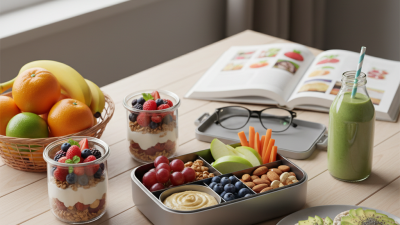
Choosing healthy snacks can significantly impact your weight loss journey and energy levels. The importance of healthy snacks is backed by research from the Journal of Nutrition, which indicates that strategic snacking can help manage hunger and prevent overeating during meals. In fact, studies show that individuals who incorporate snacks into their diets maintain better energy levels throughout the day, often leading to more effective weight management.
Despite the benefits, many people struggle to select the right snacks. A report from the Centers for Disease Control and Prevention highlights that over 60% of adults consume snacks high in sugar and unhealthy fats. This can sabotage weight loss efforts. It's crucial to recognize that not all snacks are created equal. Snack options like fruits, nuts, and yogurt can provide essential nutrients and satiety. However, many may overlook these healthier choices in favor of convenience or taste.
Reflection is necessary. Are you reaching for a pack of chips instead of a fresh apple? Those choices can add up. As you strive for a healthier lifestyle, it's important to prioritize snacks that contribute positively to your health. By consciously selecting healthy snacks, you can support both your energy levels and your weight loss goals effectively.
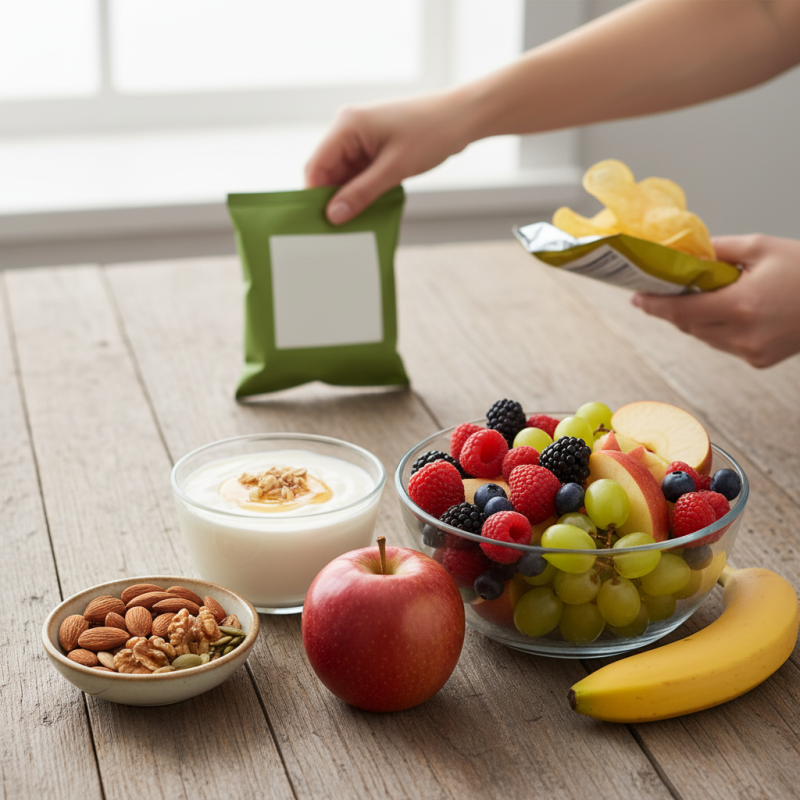
Snacking plays a crucial role in weight loss and energy management. It provides essential nutrients and helps maintain energy levels throughout the day. However, not all snacks are created equal. Choosing the right snacks can significantly impact your weight loss journey. Healthy snacks can prevent overeating at mealtimes and stave off energy crashes.
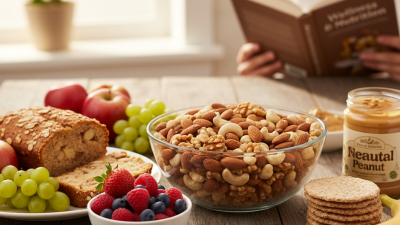
Consider incorporating fruits, vegetables, and whole grains into your snacking routine. Fresh fruit, like apples or berries, is packed with vitamins and fiber. Veggies, such as carrots or bell peppers, offer crunch without excess calories. Whole grain options, like air-popped popcorn, provide lasting energy without the risk of overindulging.
Evaluate your snacking habits regularly. Are you reaching for convenience over health? A tiny indulgence from a vending machine can lead to guilt later. Reflecting on your choices can help you stay mindful of what you consume. Always aim for variety to keep things interesting and avoid boredom with your snack options. Remember, the goal is sustainable energy and weight management, not perfection.
| Snack Type | Calories (per serving) | Protein (g) | Fiber (g) | Sugars (g) | Healthy Fats (g) |
|---|---|---|---|---|---|
| Almonds (1 oz) | 160 | 6 | 3.5 | 1 | 14 |
| Greek Yogurt (1 cup) | 100 | 10 | 0 | 6 | 0 |
| Carrot Sticks (1 cup) | 50 | 1 | 4 | 3 | 0 |
| Apple Slices (1 medium apple) | 95 | 0 | 4 | 19 | 0 |
| Hummus (2 tbsp) | 70 | 2 | 2 | 0 | 5 |
When selecting snacks for weight loss and energy, focus on nutrient-dense foods. These foods provide essential vitamins and minerals without excessive calories. Research indicates that incorporating snacks rich in protein, fiber, and healthy fats can lead to better satiety and reduced overall calorie intake.
For instance, a study published by the Journal of Nutrition revealed that high-fiber snacks can improve digestion and promote fullness. Foods like carrots, nuts, and Greek yogurt score high on nutrient density. They help stabilize blood sugar levels, avoiding energy crashes. Instead of reaching for processed snacks, consider whole foods. A piece of fruit or a handful of mixed nuts can be more filling than chips.
However, many people struggle with portion control when it comes to healthy snacks. It is easy to overindulge in even the healthiest options. Mindful eating practices can aid in this area. Paying attention to hunger cues and maintaining a balanced approach can enhance the effectiveness of healthy snacking. By prioritizing these nutrient-dense foods, you can support your weight loss journey and sustain your energy levels throughout the day.
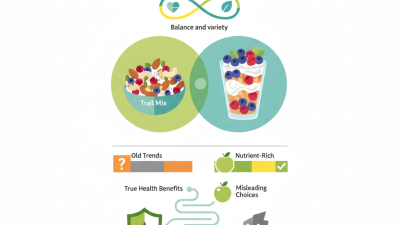
This chart illustrates the proportion of nutrient-dense snacks that contribute to weight loss and energy levels. The data represents a variety of healthy snacks selected based on their nutrient content.
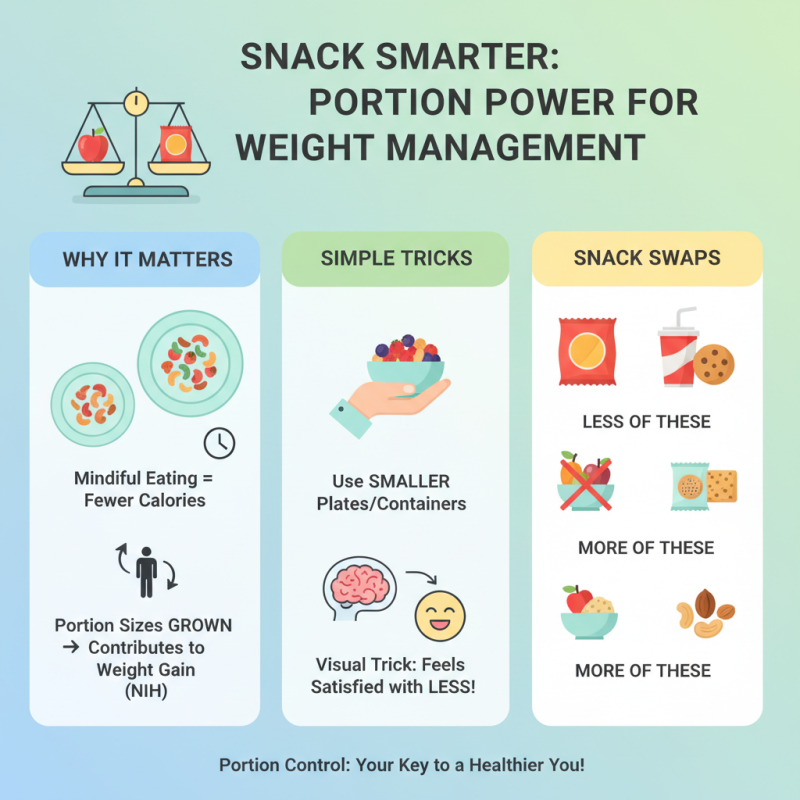
Portion control plays a crucial role in managing weight, especially when it comes to snacking. Studies show that mindful eating can lead to reduced calorie intake. According to the National Institutes of Health, portion sizes have increased over the decades, contributing to weight gain. A simple trick is to use smaller plates or containers. This can visually trick the mind into feeling satisfied with less.
Snacking mindfully involves both the type of food and the amount. For instance, a traditional handful of nuts is about 1 ounce. This portion contains around 160 calories. However, mindlessly munching straight from a large bag could lead to consuming double or triple that amount. Research from the American Journal of Clinical Nutrition states that people often underestimate snack intake. Not being aware can sabotage weight loss efforts.
Choosing healthy snacks is also about quality. Fresh fruits or vegetables offer nutrient density without excessive calories. A medium apple has about 95 calories and provides fiber. Pairing it with a portion-controlled nut butter can enhance satiety. However, losing track of these portions can lead to unintentional weight gain. Self-monitoring can help maintain awareness and promote healthier eating habits.
When selecting healthy snacks, it’s essential to scrutinize the ingredient list closely. Many snacks marketed as "healthy" are loaded with hidden sugars, unhealthy fats, or artificial additives. A quick glance may seem reassuring, but a detailed inspection often reveals troubling components. For instance, snacks with excessive sodium can lead to dehydration and bloating.
Avoid trans fats commonly listed as partially hydrogenated oils. These fats can increase bad cholesterol levels and pose heart health risks.
Consider also the fiber content. High fiber snacks promote fullness and sustained energy levels. A snack rich in fiber can be beneficial for weight management. However, be wary of fiber supplements added to processed foods—they might not offer the same benefits as whole foods. Reflect on how these ingredients impact your body, and strive to choose snacks that nourish rather than deplete your energy.
Choosing healthy snacks for weight loss and energy is not just about calorie counting. It's essential to balance macronutrients: carbohydrates, proteins, and fats. This balance can help you feel satisfied longer and maintain energy levels throughout the day.
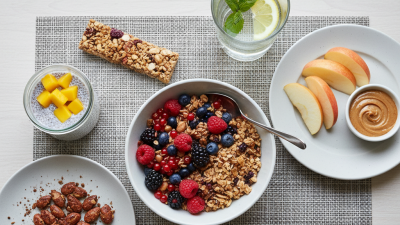
For example, a combination of Greek yogurt, berries, and a sprinkle of nuts provides protein, healthy fats, and carbohydrates. The yogurt offers probiotics and protein, while berries add fiber and antioxidants. Nuts contribute healthy fats, which are crucial for satiety. Remember, it's okay to have a little indulgence. Sometimes you may crave a sugary snack. Reflecting on your choices can help you find a better option next time.
Creating energy-boosting snacks is an art. A rice cake topped with almond butter and banana is another great option. This pairing delivers a quick energy source from carbs, while the nut butter provides lasting energy through healthy fats. Experiment with portions and combinations that work best for you. Finding the right balance may take time, but it’s a rewarding process.