
Skip to content

How to Choose the Best Matcha Powder for Your Needs?

Choosing the best Matcha Powder can be a daunting task. With so many options available, it’s essential to consider quality, flavor, and health benefits. As matcha expert Dr. Michael Chen states, “The right matcha can elevate your tea experience and your well-being.” His insights underscore the importance of making informed choices.

When selecting Matcha Powder, look for vibrant green color and a fine texture. These characteristics often indicate high quality. Ceremonial-grade matcha is ideal for traditional tea preparation, while culinary-grade works best for recipes. The flavor profile varies significantly. You may prefer a sweeter, grassy flavor or a more robust, umami-rich profile.

It’s easy to be overwhelmed by choices. Don't rush the decision. Take time to sample different brands. Observe how each affects your daily routine. Reflect on your taste preferences and health goals. A mindful approach will enhance your enjoyment of Matcha Powder.
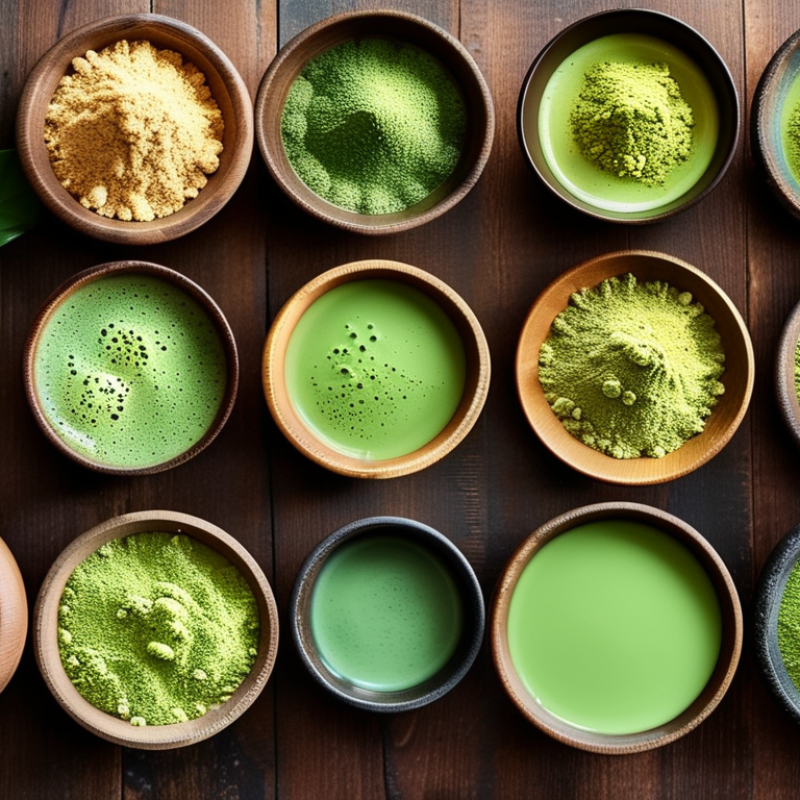
How to Choose the Best Matcha Powder for Your Needs?

Understanding Matcha: Types and Grades Explained

When exploring matcha, understanding its types and grades is essential. Matcha primarily comes in two categories: ceremonial grade and culinary grade. Ceremonial grade is the highest quality. It has vibrant green color, fine texture, and rich flavor. This matcha is meant for traditional tea ceremonies and offers the best experience. It’s ideal for those looking to savor matcha’s full health benefits.

Culinary grade, on the other hand, is more versatile. It is often used in baking and cooking. This matcha is slightly bitter, making it suitable for recipes where other ingredients balance its flavor. It comes in different shades, reflecting its quality. However, some culinary matchas may not provide the same health benefits as their ceremonial counterparts.

Being aware of the source of matcha is critical. Some lower-grade options appear vibrant but can lack essential nutrients. Additionally, certain brands may market their matcha as premium, yet it fails to deliver. This confusion with quality requires careful evaluation. Always seek matcha that is organic and sourced from reputable growers. Pay attention to the packaging and certifications to ensure reliability.

How to Choose the Best Matcha Powder for Your Needs?

Type of Matcha Grade Best Uses Flavor Profile Price Range (per 100g)
Ceremonial Matcha Premium Traditional tea ceremony, drinking Sweet, grassy, umami $30 - $60
Culinary Matcha Standard Baking, smoothies, cooking Earthy, slightly bitter $10 - $25
Ingredient Matcha Commercial Food manufacturing, blends Strong, bitter $5 - $15
Organic Matcha Varies Health supplements, drinks Sweet, vegetal $20 - $50

Key Factors to Consider When Choosing Matcha Powder

When choosing matcha powder, quality is paramount. Look for vibrant green hues. A dull or yellowish shade indicates lesser quality. High-quality matcha is typically shade-grown. This process enhances its flavor and nutrient content. Consider the origin as well. Japan is renowned for producing the best matcha. Regions like Uji and Nishio are famous for premium green tea.

The grind size is another factor. Finely milled matcha dissolves better, offering a smoother drink. Texture influences the overall experience. If you plan to bake, coarser matcha could work, but it may not provide the same depth of flavor. Pay attention to the packaging. Airtight containers maintain freshness and flavor.

Taste test various matchas. Some may be too bitter or grassy for your palate. Aromatic qualities also matter. A sweet, delicate scent hints at high quality. Don't be afraid to experiment with different types. Reflect on how you plan to use matcha, whether for tea ceremonies or smoothies. This choice profoundly affects your experience and satisfaction with the product.

Factors to Consider When Choosing Matcha Powder

Examining Flavor Profiles: Sweetness vs. Bitterness in Matcha

When exploring matcha, the flavor profile is crucial. Matcha can range from sweet to bitter, and these elements deeply influence your experience. Sweet matcha is often creamier and smoother, offering a pleasant taste for those new to this green tea. The sweetness often comes from younger leaves, harvested early in the season. This type creates a more inviting flavor, beneficial for lattes or sweet treats.

On the contrary, bitter matcha has a stronger, more robust flavor. It usually comes from older leaves and tends to have a more earthy quality. This bitterness can be an acquired taste. For seasoned drinkers, it provides depth in flavors that can complement savory dishes. Understanding your preference helps in selecting the right matcha powder for you.

Sometimes, the balance between sweetness and bitterness can be challenging to navigate. It may take several tries to find that ideal blend. Each cup can reveal different profiles based on the preparation method. Pay attention to water temperature and whisking technique. Each factor plays a pivotal role in achieving the perfect balance, leading to a richer matcha experience.

Assessing Quality: Origin, Certifications, and Processing Methods

When choosing matcha powder, assessing quality is crucial. Origin plays a significant role. Matcha from Japan is often considered superior. The region, such as Uji or Nishio, impacts flavor and health benefits. Japanese matcha tends to have higher chlorophyll levels. A report from the International Society for Nutraceuticals and Functional Foods notes that true Japanese matcha can contain up to 137 times more antioxidants than standard green tea.

Certifications add another layer of trust. Organic certification signifies that the product is free from synthetic pesticides. This can enhance the health benefits of matcha. In a recent survey, over 70% of consumers preferred organic matcha for its purity. Such certifications can indicate sustainable farming practices. It's essential to check packaging for seals that verify authenticity and quality.

Processing methods matter too. Steam processing preserves the vibrant green color and nutrients. However, some matcha undergoes a lower-quality pan-firing process. This affects both taste and health attributes. A quality matcha powder should be vibrant green, signaling high chlorophyll content. Experts recommend evaluating the texture as well. A fine powder indicates careful grinding, which enhances flavor and solubility.

Recommended Uses: Culinary vs. Ceremonial Matcha Applications

Choosing matcha powder hinges on its intended use. Culinary and ceremonial matcha serve distinct purposes. Understanding these differences can elevate your experience with this vibrant green tea.

Culinary matcha is ideal for cooking and baking. It is often more bitter and robust. This type blends well in recipes. Think matcha lattes, smoothies, or desserts like matcha cookies. When selecting this option, look for a vivid green color. A less expensive option can satisfy your culinary needs.

Ceremonial matcha, in contrast, is crafted for traditional tea ceremonies. It offers a delicate, rich flavor and smooth texture. This matcha is often a deeper shade of green. The tea's aroma is captivating, inviting you into a peaceful ritual. Use a bamboo whisk for the best experience. The subtlety of flavors demands attention and care. Finding the right matcha can be a journey, as each batch varies. Explore different sellers to refine your palate and appreciate the nuances.

Back To Top