How to Choose the Best Plant Based Snacks for Your Diet?
The popularity of plant based snacks has surged in recent years. According to a report by Grand View Research, the global plant based snacks market is projected to reach $86.9 billion by 2026. This growth highlights the increasing consumer demand for healthier, sustainable options.
Dr. Jane Goodwin, a leading expert in nutrition, emphasizes the importance of mindful choices. She stated, "Choosing plant based snacks can enhance your overall diet and well-being." This statement underscores the significance of selecting snacks that align with personal health goals.
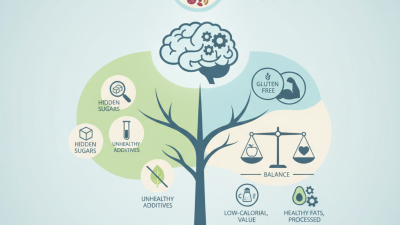
While many options are available, not all are nutritionally equal. Some snacks may appear healthy but contain hidden sugars or excessive sodium. It is essential to read labels and consider ingredients carefully. Finding the perfect plant based snack requires a thoughtful approach, balancing taste and nutrition while prioritizing quality.
Understanding Plant-Based Snacks: Types and Benefits
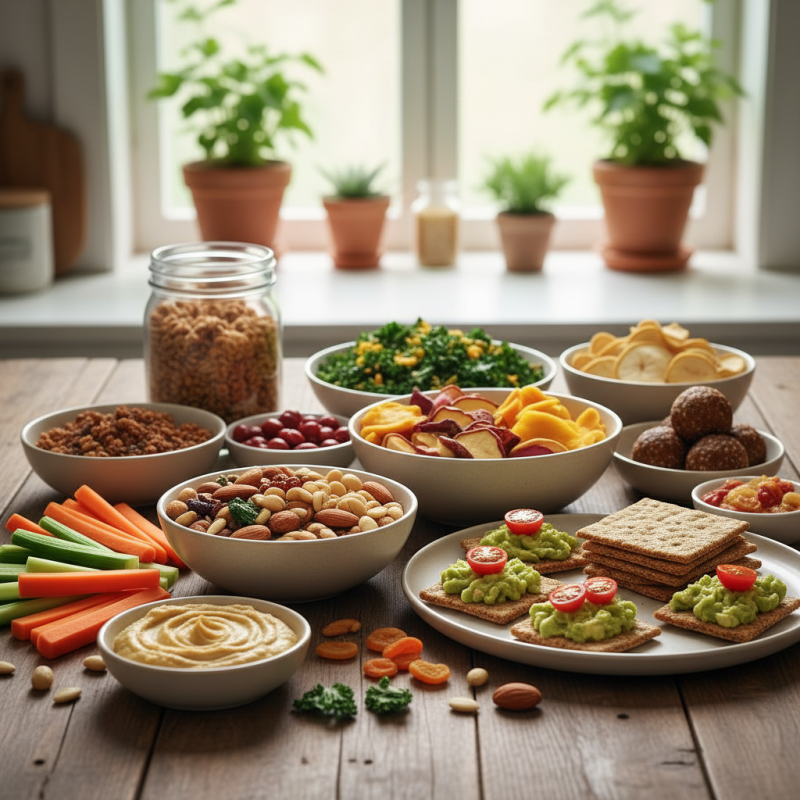
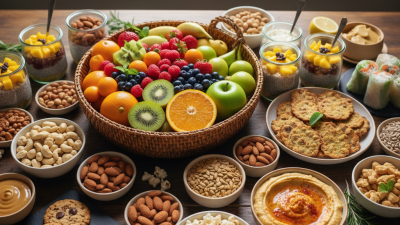
When exploring plant-based snacks, it’s vital to recognize the variety available. Common types include fruits, nuts, and whole grains. These snacks provide essential nutrients while satisfying cravings. For example, almonds offer healthy fats and protein, while dried fruits can satisfy a sweet tooth. Each choice brings specific health benefits that support a balanced diet.
Moreover, understanding the nutritional labels is crucial. Not all snacks marketed as "plant-based" are healthy. Some can be high in sugars or sodium. For example, potato chips may be labeled as plant-based but lack fiber and essential nutrients. It's important to read the ingredients carefully. Many snacks are appealing in packaging but lack true nutritional value. Choosing whole, minimally processed options can offer better health benefits.
Experimentation is key. Not every snack you try will work for you. Some may not align with your dietary needs or taste preferences. Discovering what you enjoy can take time. Take notes on how different snacks make you feel. This reflection can guide your choices in the future.
Nutritional Considerations for Plant-Based Snacks
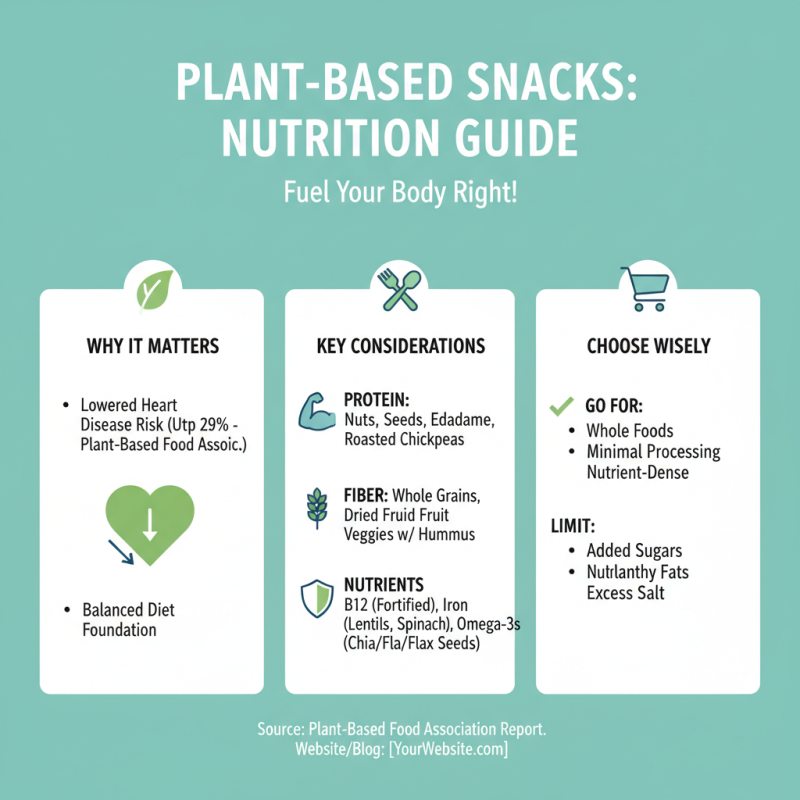
Choosing the right plant-based snacks is essential for a balanced diet. Nutritional considerations play a crucial role in this process. According to a report from the Plant-Based Food Association, plant-based diets can lower the risk of heart disease by up to 29%. However, not all snacks provide the same health benefits.
Look for snacks that contain high fiber and protein content. Fiber aids digestion and contributes to satiety. For example, chickpea snacks offer about 6 grams of protein and 5 grams of fiber per serving. On the other hand, some snacks may be high in sugars or unhealthy fats. A recent study showed that many commercial plant-based snacks contain added sugars, which can undermine their health benefits.
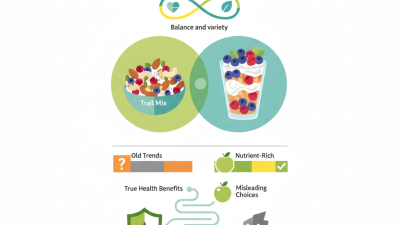
Evaluate the ingredients list meticulously. Whole food ingredients indicate a healthier choice. Snacks with nuts, seeds, or legumes usually pack more nutrients. However, some products labeled as "healthy" may still contain processed ingredients. It's crucial to remain vigilant. Balancing indulgence with nutritional value is a continuous process.
How to Read Labels and Ingredients for Healthy Choices
Reading labels and ingredients is crucial when selecting plant-based snacks. Many products claim to be healthy, but this isn’t always true. Knowledge of what to look for is key.
Tips: Start by checking the ingredient list. Whole foods should be your priority. Look for items you recognize. If an ingredient sounds artificial or overly processed, consider avoiding it. Nutritional information is also vital. Pay attention to serving sizes and compare them with your daily needs. Low sugar options are preferable, but don’t forget about healthy fats and proteins.
Another important aspect is the nutrition label. Focus on the fiber content. High fiber snacks can help you feel full longer. Balance is essential—check for a good ratio of carbohydrates, fats, and proteins. Beware of high sodium levels. Snacks high in salt can easily disrupt your diet.
Tips: Alongside nutrients, consider environmental impact. Choose snacks that use sustainable practices. Keeping your choices mindful can enhance your health and the planet’s well-being. Always reflect on your snack choices to ensure they align with your dietary goals.
Popular Plant-Based Snack Options to Incorporate
When exploring popular plant-based snacks, variety is essential. Options include nuts, seeds, and dried fruits. According to a report by the Plant Based Foods Association, the demand for such snacks has surged by 27% in the last year alone. This trend indicates a shift toward healthier eating habits. Nuts, like almonds and walnuts, are nutrient-dense choices packed with protein and healthy fats. They also provide fiber, which aids digestion.
Another great option is chickpea snacks. Roasted chickpeas deliver a satisfying crunch while being high in protein and low in calories. A study published in the Journal of Nutrition suggests that including legumes in snacks can help in weight management. Seeds are also versatile, offering omega-3 fatty acids and antioxidants. Pumpkin and sunflower seeds can be enjoyed as is or added to trail mixes.
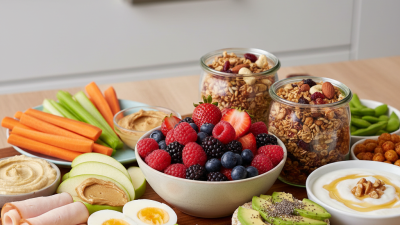
Consider incorporating fresh fruits and vegetables into your snack routine. Carrot sticks, cucumber slices, and apple wedges make for easy, nutritious choices. They are hydrating and contribute essential vitamins. However, not every snack is suitable for everyone. Each person's dietary needs vary, making it crucial to find what works best for your body. Snack wisely, and remember to listen to your body's signals.
Tips for Making Homemade Plant-Based Snacks
Making homemade plant-based snacks can be rewarding and enjoyable. Start with simple ingredients. Nuts, seeds, and grains are excellent bases. You can easily create energy balls by mixing these with dates and oats. Just blend until combined and roll into bite-sized pieces. It’s a great way to pack in nutrients without processed sugars.
Experimenting in the kitchen can yield unexpected results. Sometimes a recipe might not turn out as planned. For instance, adding too much liquid can ruin a batch of veggie chips. Learning to adjust ingredients is part of the process. Keep yourself flexible and open to modifications.
Incorporate seasonal fruits and vegetables for freshness. You can roast chickpeas for a crunchy snack or make your own hummus. It’s both delicious and healthy. Remember, the best snacks align with your tastes and nutritional needs. Reflecting on what works for you is essential. Creating snacks at home can be trial and error, but it leads to delicious discoveries.
Nutrition Comparison of Popular Plant-Based Snack Ingredients