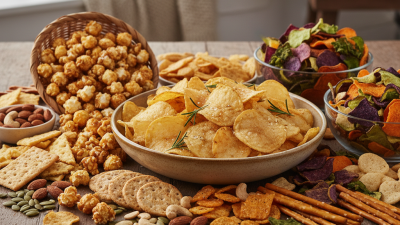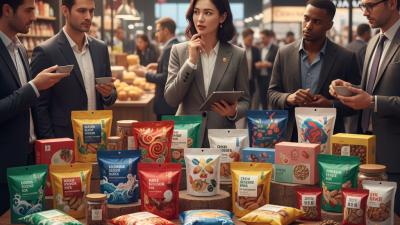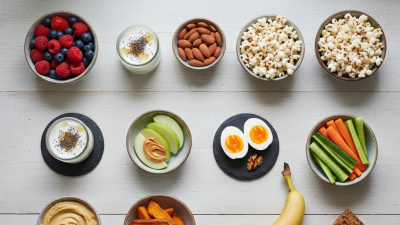
In a world where taste and texture matter, crunchy snacks have carved a niche in the snack industry. Importers seeking to capitalize on this trend must understand the dynamics of the market. Different cultures favor different flavors and textures, which can affect purchasing decisions.
As you're exploring the global landscape of crunchy snacks, consider the rising demand for healthier options. Many consumers are now opting for snacks that not only satisfy cravings but also align with their health goals. This shift presents both opportunities and challenges for importers. It's crucial to stay informed and adapt to changing consumer preferences.
Navigating the complexities of sourcing and importing requires expertise. An understanding of local tastes and successful marketing strategies can significantly impact results. This guide aims to provide insights and actionable tips for importers. Crunchy snacks can be a profitable venture, but it requires careful planning and adaptation to succeed in this competitive market.
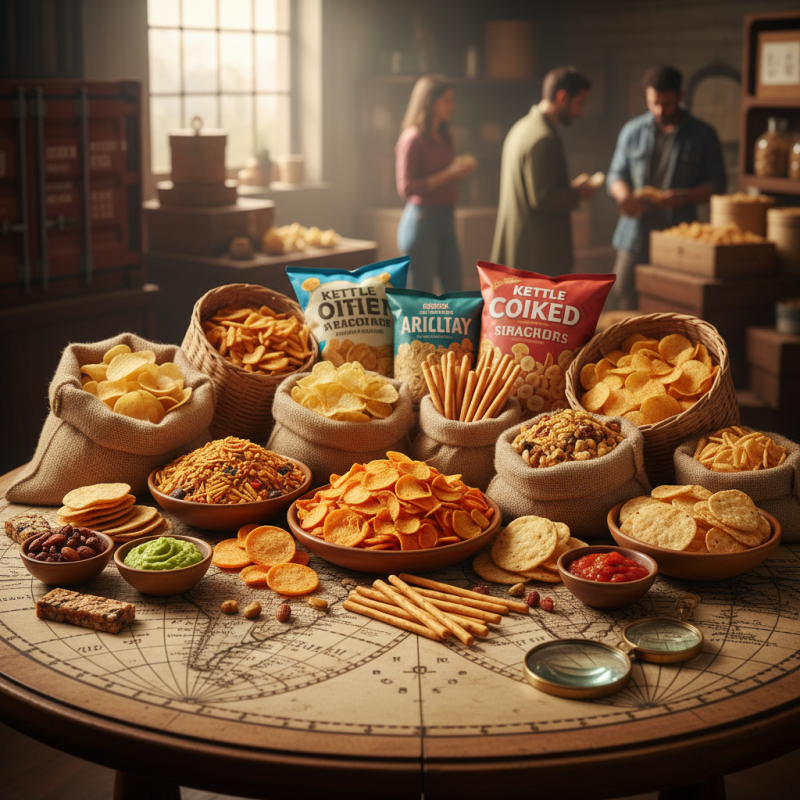
The global crunchy snacks market is dynamic and evolving. In 2022, the market size reached approximately $300 billion, with projections indicating a growth rate of 4.5% annually. Key markets include North America and Asia-Pacific, which account for 60% of the total consumption. This growth is driven by changing consumer preferences toward healthier options.
Interestingly, while traditional potato chips remain popular, there is a rising demand for alternatives such as baked, whole grain, and plant-based snacks. A report indicated that these alternatives could gain a market share of 15% by 2025. Importers need to pay attention to regional taste preferences, as they can significantly influence purchasing decisions. Emerging markets are often influenced by local flavors and ingredients, which can lead to unique product development opportunities.
However, challenges persist. Supply chain disruptions and fluctuating commodity prices can impact pricing strategies. For instance, the cost of raw materials has increased by 20% in recent months. Importers must navigate these complexities while ensuring product quality. Balancing innovation and tradition is crucial for success in this competitive landscape.
Consumer preferences for crunchy snacks are shaped by several key factors. One major influence is the growing demand for healthier alternatives. According to a recent market report by Research and Markets, over 60% of snack consumers now prioritize low-calorie and organic options. This trend reflects a broader shift towards wellness, prompting manufacturers to innovate with ingredients that meet these health-conscious demands.
Flavor variety is another critical factor. Research indicates that consumers enjoy options ranging from savory to sweet. In fact, Nielsen reports that spiciness is becoming increasingly popular, with 43% of consumers looking for bold, unique flavors. This highlights a need for brands to cater to diverse palates while maintaining texture.
Tip: Emphasize local flavors in your snack offerings. Localization can resonate well with target markets.
Packaging also plays a key role in consumer choices. Eye-catching designs and sustainable materials are increasingly valued, with 73% of consumers willing to pay more for eco-friendly packaging, according to a study by Mintel. This indicates that packaging should not only be attractive but also align with sustainability trends.
Tip: Consider eco-certifications to enhance brand credibility.
These insights reveal that understanding consumer preferences is vital. The data shows that innovation in flavor, health, and sustainability can significantly influence purchasing decisions. Keeping an eye on these trends is essential for staying relevant in the crunchy snack market.
| Snack Type | Flavor Profile | Target Market | Key Ingredients | Consumer Trend |
|---|---|---|---|---|
| Potato Chips | Salty, Savory | Teenagers, Adults | Potatoes, Oil, Seasoning | Health-Conscious Options |
| Nuts | Salty, Sweet | Health Enthusiasts | Almonds, Cashews, Peanuts | High Protein Demand |
| Popcorn | Cheesy, Buttery | Families, Young Adults | Corn, Butter, Seasoning | Snackable Convenience |
| Rice Cakes | Savory, Sweet | Dieters, Kids | Rice, Flavorings | Low-Calorie Snacks |
| Vegetable Chips | Salty, Herbaceous | Health-Conscious Consumers | Mixed Vegetables, Oil | Natural Ingredients Trend |
The crunchy snacks market is vibrant and diverse. Suppliers play a critical role in shaping this industry. Quality and innovation are key factors to consider when selecting manufacturers. Buyers should evaluate the production processes and ingredient sourcing of potential suppliers. Many manufacturers prioritize health-conscious options, emphasizing natural ingredients.
Another aspect worth exploring is the geographic diversity of suppliers. Each region offers unique flavors and textures. Importers should consider local tastes and trends. This knowledge can guide procurement strategies effectively. Understanding the competitive landscape is also essential. However, not all suppliers maintain consistent quality, making research vital.
Finding reliable partners is challenging yet rewarding. Buyers must engage in thorough due diligence. Online reviews and industry certifications can serve as valuable tools. Networking at trade shows can provide insights into reputable suppliers. This effort helps in building long-lasting business relationships. It takes time to find the right match, but the rewards can be significant.
Importing crunchy snacks can be an exciting venture. However, navigating the complex world of import regulations is crucial. Compliance ensures that your products meet safety and quality standards. Each country has unique laws reflecting its food safety needs. These regulations often focus on packaging, labeling, and ingredient disclosures.
Detailed documentation is often required. Importers must provide clear ingredient lists and nutritional information. Labels must also be in the country’s official language. It’s essential to familiarize yourself with these specifics. Missing even minor details can lead to delays or rejected shipments. Communication with local customs authorities can help clarify requirements.
Maintaining a reliable supply chain is equally important. Consistent quality control mechanisms will prevent future issues. Regular audits of suppliers can also ensure adherence to regulations. Involving legal experts can provide additional assurance. This investment in expertise pays off by avoiding potential compliance pitfalls.
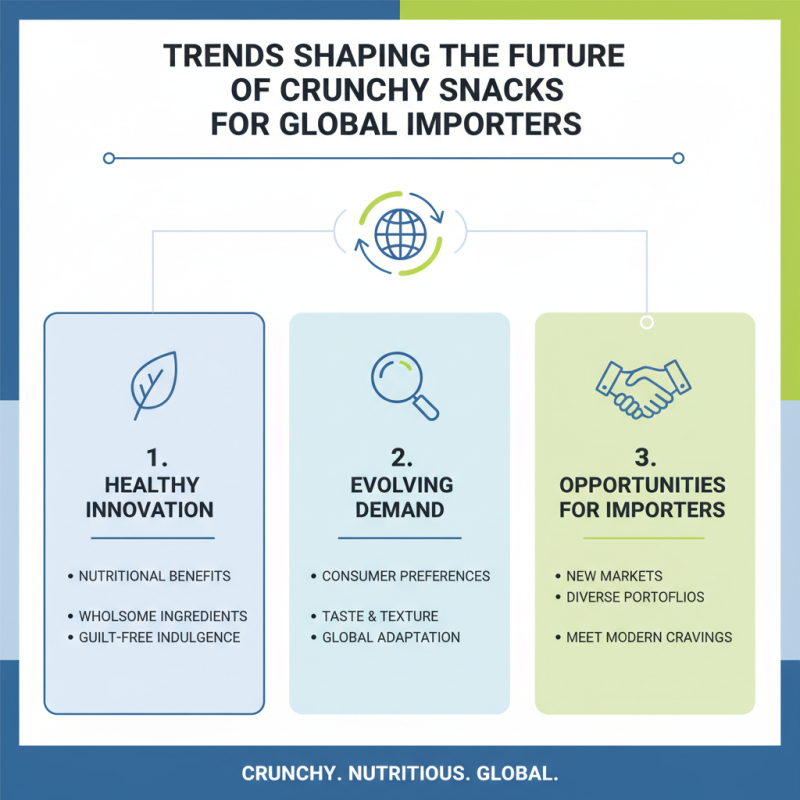
The market for crunchy snacks is evolving rapidly. Health trends are reshaping consumer preferences globally. More people are looking for snacks that offer nutritional benefits without sacrificing taste. This shift presents opportunities for importers. They need to adapt to changing demands. Products that combine wholesome ingredients with crunch appeal are gaining traction.
Plant-based snacks are making a significant mark. They are often perceived as healthier options. Such snacks include lentil chips and chickpea puffs. These items attract health-conscious consumers. However, balancing taste and nutrition poses challenges for manufacturers. Many products still lack the flavorful punch that traditional snacks offer. This gap can impact market acceptance.
Sustainability is another trend impacting the market. Consumers want eco-friendly packaging and ethically sourced ingredients. This demand pushes brands to innovate in their production methods. Importers must stay ahead of these trends. Understanding local preferences is key. Potentially cumbersome regulations can complicate the import process. Navigating these hurdles requires expertise and careful planning.