Skip to content

10 Gluten Free Snack Ideas and Buying Tips?

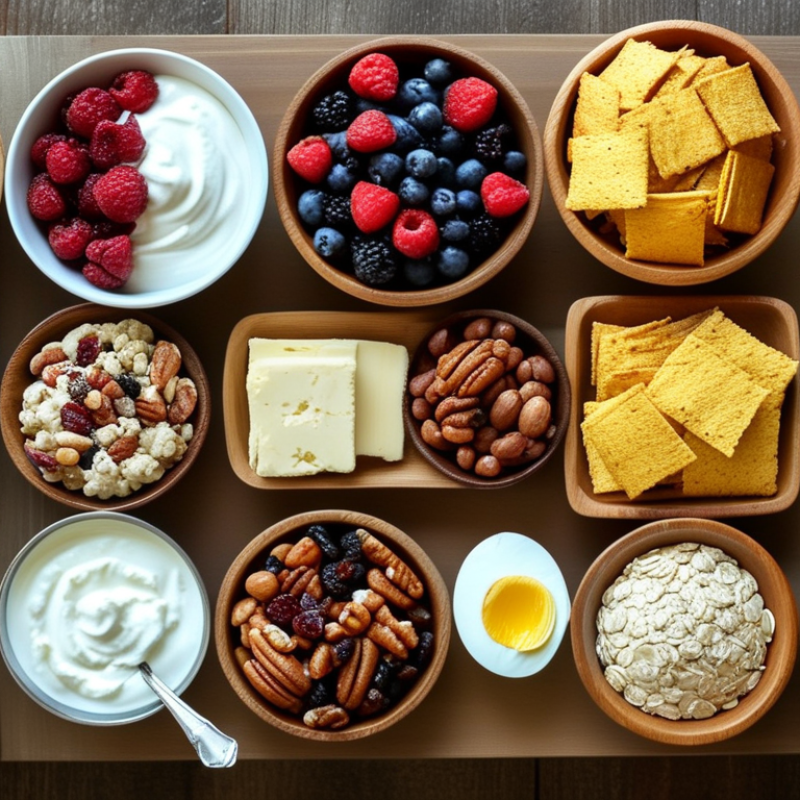
Finding safe, satisfying snacks can feel harder than it should, especially when labels use unfamiliar terms. This guide presents ten gluten free snack ideas for busy mornings, school bags, desk drawers, and travel days. The choices include roasted chickpeas, yogurt with berries, apple slices with nut butter, popcorn, rice cakes, cheese cubes, boiled eggs, trail mix, vegetables with hummus, and gluten-free oat bites. Each option offers a different texture, from crunchy popcorn to creamy yogurt. Not every snack suits every person. Taste, allergies, nutrition needs, and storage conditions still matter.

The buying tips deserve equal attention. Look for a clear “gluten-free” statement, then read the ingredient list and allergen information carefully. Do this every time. Products and manufacturing practices can change. Shared equipment may create cross-contact risks, which matters for people with celiac disease or medical sensitivity. When uncertain, contact the manufacturer or choose a naturally gluten-free food with simple ingredients. A registered dietitian or qualified healthcare professional can provide more personal guidance, especially for children or restrictive diets.

I have noticed that convenience can hide excess sugar, sodium, or surprisingly small portions. That deserves a second look. Check sealed packaging, expiration dates, serving sizes, and storage instructions before buying. A warm car can ruin dairy snacks quickly. A crushed rice cake may not satisfy anyone. Pack practical portions in reusable containers, and observe how your body responds. Small choices help. Good planning helps more. Use this outline as a useful starting point, not a perfect rulebook. Even careful shoppers can miss something occasionally, so pause, reread, and choose thoughtfully.
10 Gluten Free Snack Ideas and Buying Tips?

Gluten-Free Basics: FDA’s <20 ppm Rule and Celiac Disease’s 1% Prevalence

For people with celiac disease, gluten-free eating is a medical necessity, not a lifestyle preference. Celiac disease affects about 1% of the population, although many cases remain undiagnosed. Even small amounts of gluten can damage the small intestine. Cross-contact matters.

The FDA allows a food labeled “gluten-free” to contain fewer than 20 parts per million of gluten. This rule helps shoppers, but it does not remove every risk. Check the package each time, especially after recipe changes. Look for clear gluten-free labeling, inspect shared-facility statements, and avoid damaged or poorly sealed packages. A dietitian or medical professional can provide more personalized guidance.

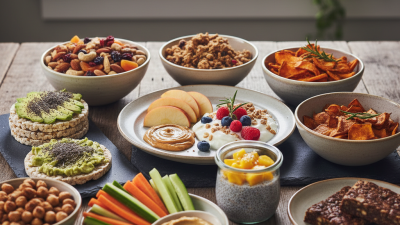
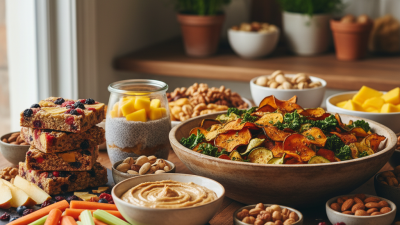
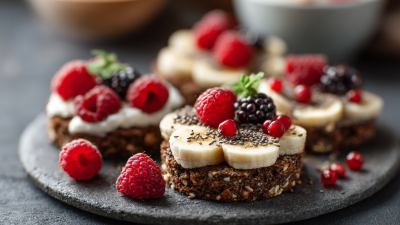
Ten practical snack ideas include apple slices, bananas, plain yogurt, nuts, air-popped popcorn, cheese cubes, boiled eggs, carrot sticks with hummus, rice cakes with nut butter, and certified gluten-free granola. Simple foods can be safer. Still, nuts, dairy, and other ingredients may cause separate allergies or sensitivities. Wash hands and use clean utensils at home. Shared toasters and cutting boards are easy to overlook. I once assumed a plain snack was automatically safe, but the flavoring and manufacturing details mattered more than expected. Labels deserve a second look.

10 Gluten Free Snack Ideas and Buying Tips? - Gluten-Free Basics: FDA’s <20 ppm Rule and Celiac Disease’s 1% Prevalence

No. Snack Idea Naturally Gluten-Free Components Buying Tip Cross-Contact Check Practical Nutrition Note
1 Fresh fruit with plain yogurt Apple, berries, banana, or orange with unsweetened plain yogurt Choose plain yogurt and check flavored varieties for malt flavoring, cookie pieces, or cereal inclusions. Use clean utensils and avoid shared granola or topping containers. Provides fiber from fruit and protein from yogurt.
2 Vegetable sticks with hummus Carrots, cucumber, bell pepper, celery, and chickpea-based hummus Review the ingredient list for wheat-based additives, malt vinegar, or flavored mixes. Do not double-dip; use a separate serving bowl at gatherings. Adds vegetables, fiber, and plant protein.
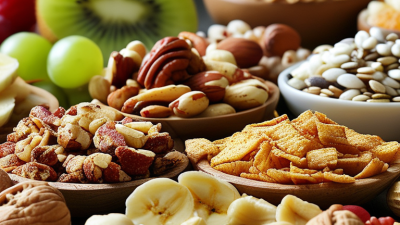
3 Plain nuts and seeds Almonds, walnuts, pumpkin seeds, sunflower seeds, or a simple unsalted mix Prefer products with a short ingredient list; check flavored coatings and shared-facility statements. Avoid bulk bins when cross-contact information is unavailable. Provides unsaturated fat, protein, and minerals; portion size matters.
4 Air-popped popcorn Popcorn kernels with oil, salt, or simple seasonings For packaged popcorn, check seasoning blends and the package’s gluten-free statement. Shared movie-theater machines and flavoring stations may create cross-contact. A whole-grain snack when prepared without gluten-containing seasonings.
5 Rice cakes with nut or seed butter Plain rice cakes and peanut, almond, sunflower, or seed butter Check rice-cake flavorings and nut-butter additives; choose a dedicated jar if needed. Use a clean knife instead of a knife that has touched bread or crackers. Combines carbohydrate with fat and protein for greater satiety.
6 Hard-boiled egg with fruit Egg, grapes, pear, or another whole fruit Buy plain eggs and prepare them separately from breaded or flour-coated foods. Keep preparation surfaces, containers, and utensils clean. Offers protein plus naturally gluten-free fruit.
7 Cheese with gluten-free crackers Plain cheese with crackers made from rice, corn, buckwheat, or certified gluten-free oats Look for a gluten-free label and read the full ingredient list, especially for malt or wheat starch. Use unopened packages or separate serving utensils at parties. Cheese adds protein and calcium; cracker nutrition varies by grain and fiber content.
8 Roasted chickpeas Chickpeas, oil, salt, and clearly identified gluten-free seasonings Check spice blends, barbecue flavors, and seasoning powders for wheat, barley, or malt ingredients. Use a clean baking tray and avoid shared scoops for packaged snacks. Provides plant protein and fiber; watch sodium in seasoned versions.
9 Chia pudding Chia seeds, milk or a milk alternative, and fruit Check flavored plant milks for malt-based ingredients and verify the seed package’s handling information. Prepare in a clean container and store covered. Chia seeds contribute fiber and omega-3 fatty acids; use an appropriate portion.
10 Certified gluten-free oat snack Oats identified as gluten-free, fruit, seeds, or other gluten-free ingredients Choose oats or oat-based snacks specifically labeled gluten-free because ordinary oats can be contaminated during growing, transport, or processing. People with celiac disease should follow their clinician’s advice about oats and monitor individual tolerance. Oats can provide whole-grain fiber when suitable and properly labeled.
Gluten-free buying basics: In the United States, the FDA allows a food to be labeled “gluten-free” when it contains less than 20 parts per million (ppm) of gluten, including through unavoidable cross-contact. This labeling threshold is intended to support people with celiac disease, an autoimmune condition estimated to affect about 1% of the population worldwide. Always read the current label, check ingredients for wheat, barley, rye, and malt, and contact the manufacturer when cross-contact information is unclear.

Note: “Naturally gluten-free” describes the basic food ingredient, not necessarily the packaged product or preparation environment. For medically necessary gluten avoidance, verify labels and preparation practices each time.

Set Snack Benchmarks: 14 g Fiber per 1,000 Calories and Protein Needs

A useful gluten-free snack plan starts with numbers, not packaging claims. Aim for 14 grams of fiber per 1,000 calories. At 2,000 calories, that equals about 28 grams daily. One snack cannot fix a low-fiber diet. Still, it can help. I often pair fruit with protein because the combination feels more satisfying.

Try an apple with peanut butter, berries with plain yogurt, roasted chickpeas, chia pudding, a pear with cottage cheese, carrots with hummus, pumpkin seeds with dried fruit, a baked potato with tuna, edamame, or gluten-free oats topped with walnuts. Portions matter.

Protein needs differ by age, body size, activity, and health status. The general adult reference intake is about 0.8 grams per kilogram of body weight daily. Older adults and highly active people may need more guidance. A snack with 10 to 20 grams of protein can be practical, but it is not a universal rule. Check with a qualified dietitian if you have kidney disease, digestive conditions, or unusual nutritional needs.

Read the ingredient list carefully. Choose snacks with visible fiber sources, such as beans, seeds, fruit, vegetables, or oats labeled gluten-free. “Gluten-free” does not automatically mean high-fiber or nutritious. Check for shared equipment warnings when cross-contact matters. I once bought a gluten-free cracker with little fiber and too much salt; the label looked healthier than it was. A small food scale can reveal realistic portions, though I sometimes ignore it when rushing. That is worth noticing.

Generate 10 Snack Ideas Across Nuts, Fruit, Dairy, Grains, and Legumes

Gluten-free snacks should add nourishment, not simply remove wheat. The FDA defines “gluten-free” as containing fewer than 20 parts per million of gluten. Cross-contact still matters, especially with shared toasters, scoops, and cutting boards. The Celiac Disease Foundation recommends checking labels and choosing naturally gluten-free foods when possible.

Try these ten combinations:
almonds with sliced pear;
walnuts with blueberries;
apple wedges with plain yogurt;
cottage cheese with pineapple;
plain Greek yogurt with strawberries;
certified gluten-free oats with banana;
air-popped popcorn with pumpkin seeds;
quinoa crackers with avocado;
roasted chickpeas with cucumber;
hummus with carrot sticks.

These ideas cover nuts, fruit, dairy, grains, and legumes without relying on highly processed ingredients. Tiny changes help. Add cinnamon, lemon juice, or fresh herbs for flavor.

USDA FoodData Central reports that one ounce of almonds provides about 6 grams of protein and 3.5 grams of fiber. A half-cup of cooked chickpeas supplies roughly 7 grams of protein and 6 grams of fiber.

The Dietary Guidelines for Americans, 2020–2025, encourages vegetables, fruits, whole grains, dairy, legumes, nuts, and seeds. Nutrient values vary by portion and preparation. I sometimes overestimate how filling fruit alone will be. Pairing it with yogurt, nuts, or legumes usually feels more practical. Oats require extra care because some packages may experience gluten cross-contact.

Check Labels for FDA Compliance, Cross-Contact Risks, and Certified Seals

10 Gluten Free Snack Ideas and Buying Tips?

A gluten-free snack can be simple, but the label deserves careful attention. Try air-popped popcorn, fresh fruit, plain yogurt, roasted nuts, rice cakes, hummus with carrots, cheese cubes, boiled eggs, seed crackers, or unsweetened dried fruit. These options offer different textures and nutrients. However, naturally gluten-free ingredients can become unsafe during processing. Shared equipment may leave tiny traces of wheat, rye, or barley.

Look for a clear “gluten-free” statement and read the full ingredient list. In the United States, FDA rules generally limit gluten-free foods to fewer than 20 parts per million. The allergen statement can reveal wheat, but it may not explain every cross-contact risk. Warnings such as “may contain wheat” deserve attention. A certified gluten-free seal can add confidence because an outside organization may test products or production sites. Still, certification standards differ, so I would not treat every seal as identical. I once underestimated flavored snacks because their seasoning looked harmless. That assumption was careless.

Tips:

Check the package every time. Formulas can change. Choose sealed packages, avoid bulk bins, and ask how snacks are prepared when buying food outside. Keep gluten-free snacks separate from crumbs at home. When symptoms continue, speak with a qualified healthcare professional rather than guessing. Labels help, but they are not perfect.

Compare Purchases by Serving Size, Added Sugar, Fiber, Protein, and Cost

10 Gluten Free Snack Ideas and Buying Tips?

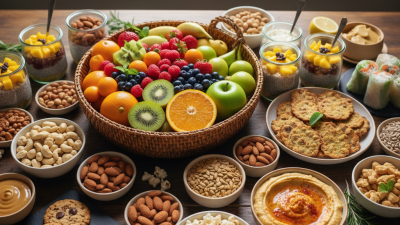
When I compare gluten-free snacks, I start with the serving size. A large bag can look cheap, yet contain only four servings. I divide the package price by its listed servings, then check whether that portion feels satisfying. My practical options include roasted chickpeas, air-popped popcorn, plain yogurt, apple slices with peanut butter, pumpkin seeds, hummus with carrots, rice cakes with tuna, cheese cubes, chia pudding, and certified gluten-free oats with berries.

Added sugar deserves close attention. Flavored yogurt and packaged oat snacks may contain more sugar than expected. I usually choose plain versions and add fruit for sweetness. Fiber helps snacks feel filling, especially from chickpeas, popcorn, oats, berries, and chia seeds.

Protein matters after exercise or during a long workday. Yogurt, tuna, cheese, seeds, and peanut butter provide useful amounts, but portions still vary.

My first comparison was flawed. I judged cost by package price, not cost per serving. Now I record serving size, sugar, fiber, protein, and price in a simple note. A snack costing slightly more may offer better protein and fiber. However, nutrition labels can mislead when serving sizes are tiny. Check gluten-free certification when possible, especially for oats and shared-facility products. Ingredients and production practices change, so rereading labels remains necessary.

Back To Top