In today's fast-paced world, choosing the right healthy snack can significantly influence your diet plan. A recent study from the Centers for Disease Control and Prevention (CDC) highlights that nearly 75% of American adults consume snacks daily. This statistic underscores the importance of not just snacking, but making those snacks nutritious. Healthy snacks can enhance energy levels and curb cravings while providing essential nutrients.
Research from the Academy of Nutrition and Dietetics emphasizes that snacks can contribute to overall diet quality. When you opt for healthy snacks, you’re more likely to meet your daily recommended intake of fruits, vegetables, and whole grains. Consider options like nuts, yogurt, or fruits, which offer a balance of protein, healthy fats, and fiber. However, there is often a temptation to grab processed snack foods that are high in sugar and salt. It's crucial to reflect on the choices we make. Incorporating healthy snacks can be a challenge, but the benefits can reshape your dietary habits positively.
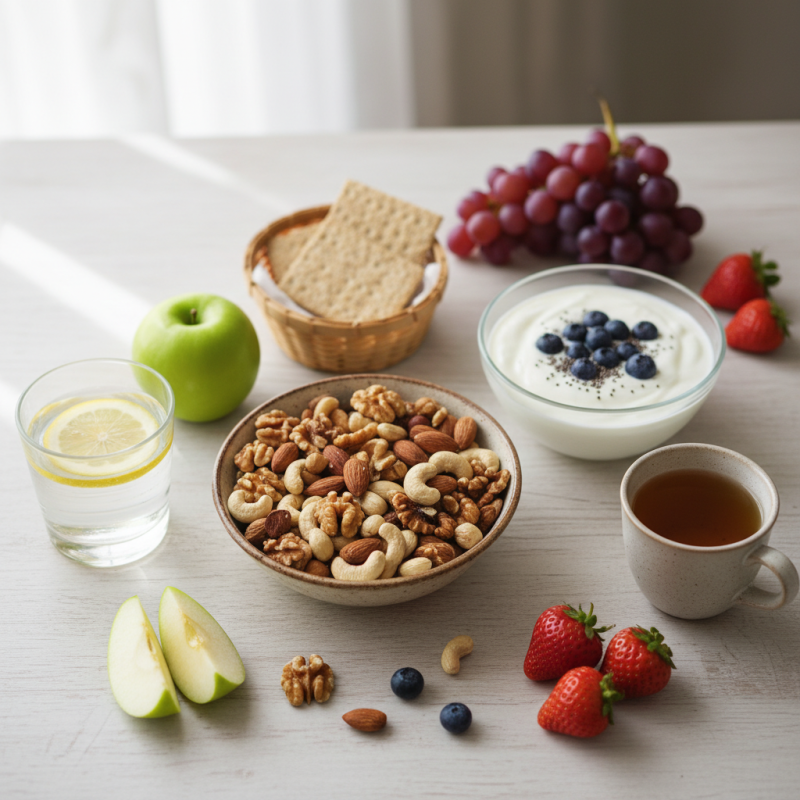
Healthy snacks play a crucial role in any diet plan. They help control hunger and stabilize energy levels. Incorporating snacks with nutrient density into your routine can improve overall health. Whether you’re at work or home, having healthy choices on hand is vital. It can prevent impulsive eating of unhealthy options.
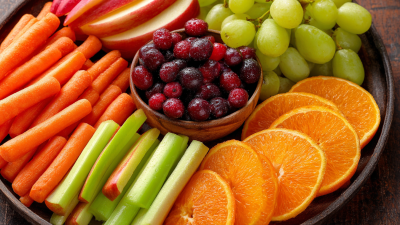
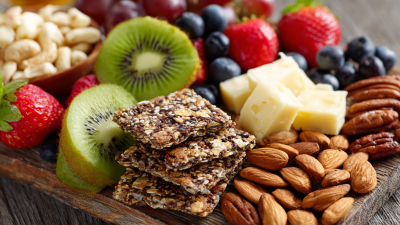
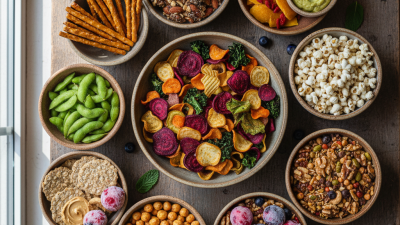
Tips: Choose snacks that include protein, fiber, and healthy fats. Foods like nuts, yogurt, or fruit are excellent choices. Aim for snacks that are colorful and vibrant. They often contain various vitamins and minerals.
It’s important to recognize that not all snacks are created equal. Some may seem healthy but can be high in sugar or empty calories. Always check the ingredient list and be mindful of portion sizes. Sometimes, making healthier snack choices isn’t straightforward, and that’s okay. Focus on gradual improvements rather than perfection.
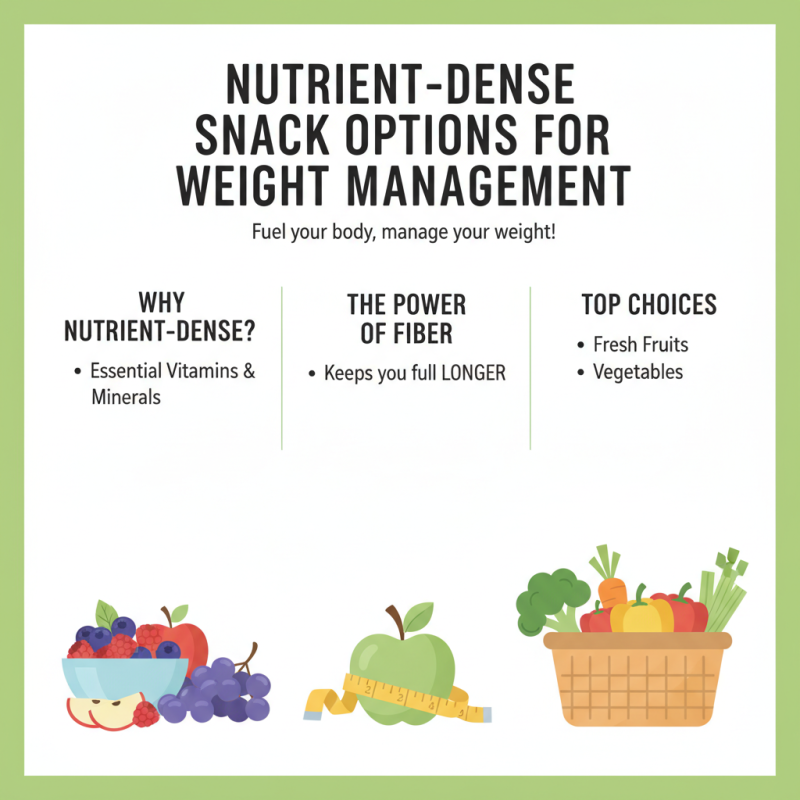
When considering healthy snacks for weight management, choosing nutrient-dense options is vital. Nutrient-dense foods provide essential vitamins and minerals without excessive calories. Fresh fruits and vegetables are excellent choices. They are low in calories but high in fiber, keeping you full for longer.
Nuts and seeds can also be great snacks. Though they are calorie-dense, they offer healthy fats and protein. A small portion can satisfy cravings while providing energy. Greek yogurt is another option. It’s rich in protein and probiotics, promoting gut health. Pairing yogurt with berries adds flavor and extra nutrients.
Snack planning can be challenging. It’s easy to overlook portion sizes or grab convenience foods. Prepare snacks ahead to avoid this. Cutting vegetables or packing nuts ensures you stick to healthy choices. Reflect on habits. Are snacks becoming meals? Reassessing portions and types of snacks can support your diet plan effectively.
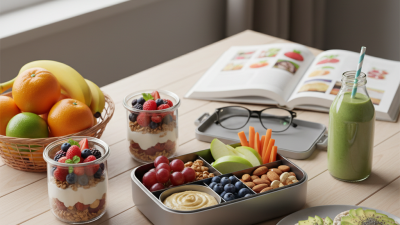
When choosing snacks, protein and fiber are your best allies. They provide lasting energy, helping you avoid the sugar crash. Think of snacks like Greek yogurt with berries. The yogurt offers protein, while the berries add fiber. Together, they create a delightful balance.
Another satisfying option is hummus with raw vegetables. Hummus gives a creamy texture and is packed with plant-based protein. Carrots and cucumber provide crunch and fiber. This combo keeps you full and helps maintain focus throughout the day.
However, it can be easy to overlook portions. Mindlessly munching can lead to consuming extra calories. Always measure your snacks to stay on track. Listen to your body’s hunger cues. A reflective approach to your snacking can pave the way for healthier choices.
| Snack Idea | Protein (g) | Fiber (g) | Calories |
|---|---|---|---|
| Greek Yogurt with Berries | 15 | 4 | 150 |
| Hummus with Carrot Sticks | 6 | 3 | 120 |
| Almonds (1 oz) | 6 | 4 | 164 |
| Cottage Cheese with Pineapple | 14 | 2 | 120 |
| Peanut Butter on Whole Grain Toast | 8 | 3 | 200 |
| Apple Slices with Almond Butter | 4 | 5 | 180 |
Snacking can be a delightful part of your diet. Instead of choosing typical unhealthy options, consider creative and delicious healthy snacks. Imagine sliced apples paired with almond butter. It offers a perfect mix of sweetness and protein. This combination not only keeps you full but provides essential nutrients as well.
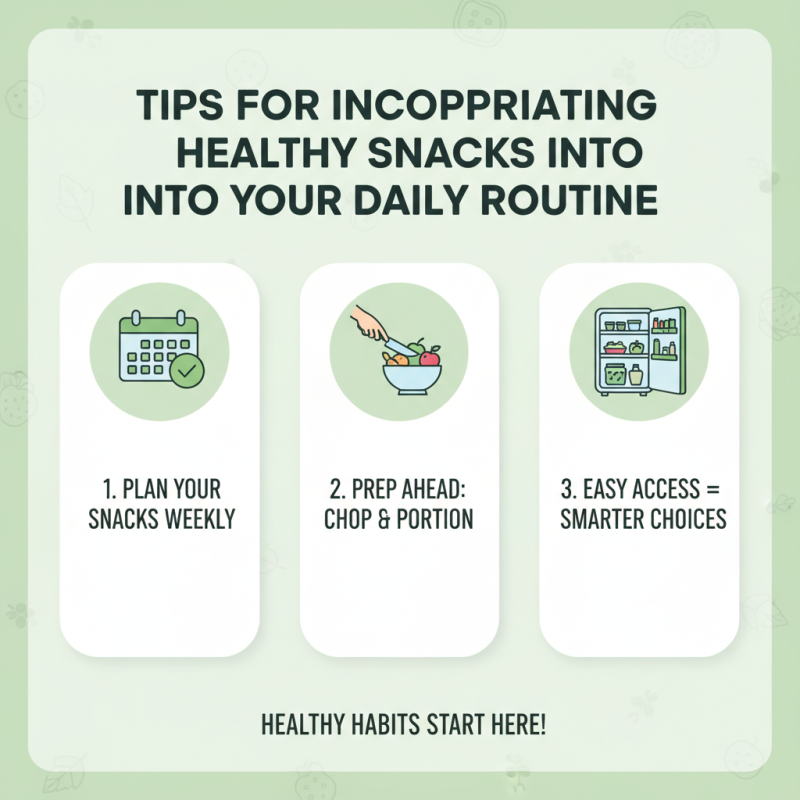
Incorporating healthy snacks into your daily routine can be quite rewarding. Start by planning your snacks just like your meals. This helps maintain consistency. Set aside time each week to prepare your snacks. Chop fruits and veggies in advance. Portion out nuts or seeds. Easy access to prepared snacks makes healthier choices easier.
Consider the timing of your snacks. Eating every few hours can stabilize energy levels. A small snack mid-morning and another in the afternoon can help. However, listen to your body as well. Sometimes, you might not feel hungry. Trust that instinct. On the days you forget to snack, reflect on how it affects your energy.
Experiment with different combinations. Pairing proteins with carbs can keep you satisfied longer. Think of Greek yogurt with berries or whole grain toast with avocado. If you feel bored, switch it up. The key is to find what works for you and adjust as needed. Healthy snacking takes practice and patience. It's okay to have days when choices aren’t perfect. The aim is to keep improving.