
Top 10 Healthy Snack Options from China for Global Buyers?
The global demand for healthy snack options has been on the rise. As consumers become more health-conscious, traditional snacks from around the world are gaining attention. China, with its rich culinary heritage, offers a variety of nutritious snack choices that appeal to diverse tastes. These options combine flavor with essential nutrients, showcasing the country’s unique ingredients.
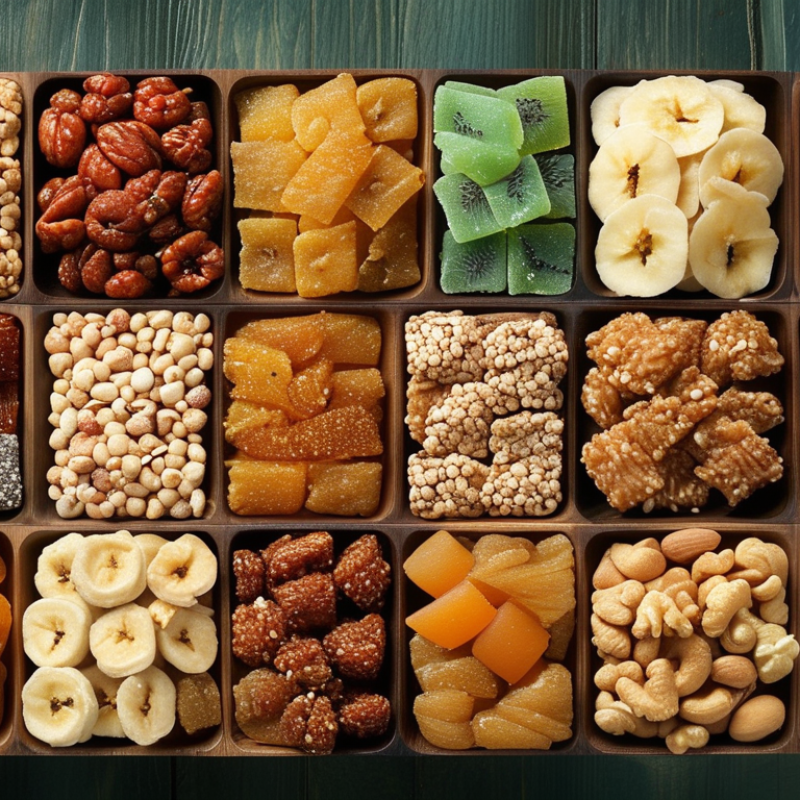
Exploring Chinese healthy snack options reveals a wealth of flavors and textures. These snacks often use natural ingredients like nuts, seeds, and fruits. For instance, dried fruit and nut mixes are popular choices. They provide energy and sustain hunger without added sugars. Many of these products are also gluten-free, catering to those with dietary restrictions.
However, the variety can be overwhelming. Buyers need to research the quality and sourcing of these snacks. Some may contain preservatives or flavor additives. Thus, understanding the market and product labels is crucial. By making informed choices, consumers can enjoy the benefits of healthy snacking while embracing the flavors of China.
Top 10 Healthy Snack Options from China for Global Buyers
China offers a rich variety of healthy snacks that cater to global tastes. Many consumers now seek nutritious options packed with flavor. According to industry reports, the demand for health-oriented snacks is growing at an annual rate of 8.4%. This trend highlights a shift towards better dietary choices worldwide.
Traditional Chinese snacks like roasted seeds, and dried fruits are nutritious and flavorful. For instance, sunflower seeds are high in healthy fats and protein. These snacks not only satisfy hunger but also provide essential nutrients. Another popular option is tea-infused snacks, which often come with added benefits like antioxidants. Dried goji berries are also a great choice. They are rich in vitamins and have been gaining popularity worldwide.
Tips: When choosing snacks, read labels carefully. Look for low sugar and sodium content. Consider portion sizes to avoid overeating. Snack choices can impact overall health, so opt for those with natural ingredients. Explore diverse flavors and textures to make snacking enjoyable. This can help maintain a balanced diet while savoring authentic tastes from China.
Top 10 Healthy Snack Options from China for Global Buyers
| Snack Name | Primary Ingredients | Health Benefits | Best Served With |
|---|---|---|---|
| Dried Fruits | Variety of fruits such as apricots, mangoes, and figs | Rich in vitamins, minerals, and antioxidants | Nuts or yogurt |
| Roasted Seaweed | Seaweed, salt, sesame oil | Low in calories, rich in iodine and minerals | Rice crackers or hummus |
| Chrysanthemum Tea | Chrysanthemum flowers, honey (optional) | Cooling properties, rich in antioxidants | Cookies or light snacks |
| Edamame | Young green soybeans | High in protein and fiber | Sea salt or garlic seasoning |
| Rice Cakes | Puffed rice, salt | Low in calories, gluten-free | Peanut butter or cream cheese |
| Pickled Vegetables | Mixed vegetables, vinegar, spices | Probiotics for gut health | Rice or noodles |
| Steamed Buns | Wheat flour, vegetables, protein | Balanced carbs and protein | Tea or soup |
| Soy Milk | Soybeans, water | Rich in protein and low in fat | Oatmeal or pastries |
| Fruit and Nut Bars | Dried fruits, nuts, oats | High in fiber and energy | Tea or coffee |
Conclusion
The article "Top 10 Healthy Snack Options from China for Global Buyers" explores a variety of nutritious snacks derived from traditional Chinese ingredients, emphasizing their cultural significance and health benefits. It provides a comprehensive overview of the most popular categories of healthy snack options available in China, highlighting trends in their export to global markets.
Additionally, it offers valuable tips for consumers on how to select authentic Chinese healthy snacks, ensuring they are both delicious and nutritious. The discussion emphasizes the nutritional benefits of these traditional ingredients, making a strong case for the growing popularity of healthy snack options from China among global buyers who seek healthier alternatives in their diets.
Related Posts
-

Top Healthy Snack Brands That You Need to Try for Guilt Free Snacking
-
Why Healthy Snack Products Are Essential for a Balanced Diet
-
What is the Best Healthy Snack Options for Every Lifestyle?
-
10 Best Healthy Snack Ideas for Weight Loss and Energy Boosting
-
Top 5 Best Healthy Snacks You Need to Try for a Guilt Free Indulgence
-
Top 10 Healthy Snack Brands You Need to Try for Guilt Free Enjoyment