Why Healthy Snacks Are Essential for Your Diet and How to Choose the Best Ones
In today's fast-paced world, the importance of incorporating healthy snacks into our diets has never been more critical. As nutrition expert Dr. Jane Smith emphasizes, "Choosing the right healthy snacks can make all the difference in maintaining energy levels and supporting overall health." With the multitude of options available, it can be overwhelming to determine which snacks are genuinely beneficial.
Healthy snacks not only provide essential nutrients but also help to curb hunger and prevent overeating during main meals. Integrating these nutrient-dense options into your daily routine can lead to improved mood, increased productivity, and better overall wellness. However, with the market flooded with so-called "healthy" options, navigating this space requires informed decision-making.
In this article, we will explore why healthy snacks are essential for your diet and provide practical tips for selecting the best ones. By understanding the nutritional value and ingredients to look for, you can elevate your snacking habits and enjoy a healthier lifestyle.
Importance of Healthy Snacks in a Balanced Diet
Healthy snacks play a crucial role in maintaining a balanced diet, providing essential nutrients that can sustain energy levels and enhance overall well-being. These snacks are an opportunity to incorporate vitamins, minerals, and fiber into your daily intake without excessive calories. When selected wisely, they can curb hunger between meals, which helps prevent overeating and promotes weight management. Additionally, healthy snacks can improve focus and productivity, particularly during demanding tasks or long working hours.
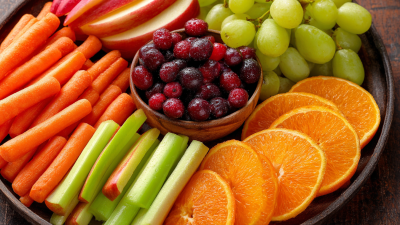
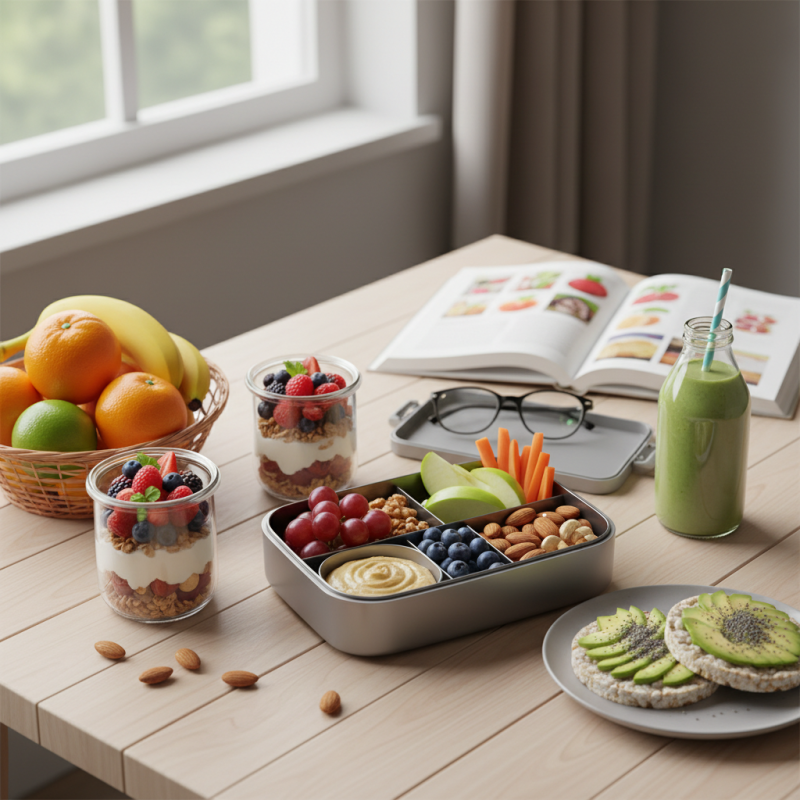
Tips for choosing healthy snacks include focusing on whole, minimally processed foods. Look for options rich in protein, fiber, and healthy fats that will keep you satiated longer. Fresh fruits, nuts, yogurt, and vegetable sticks are excellent choices that not only satisfy cravings but also contribute beneficial nutrients. Always try to read labels to avoid excessive sugars and unhealthy fats that can compromise your dietary goals.
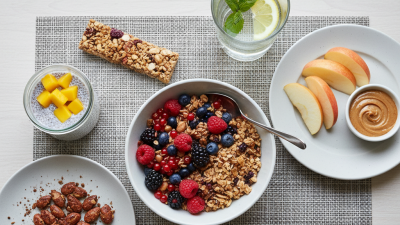
Incorporating variety into your snack choices can also make your diet more enjoyable. Experiment with different combinations, such as pairing apple slices with almond butter or mixing Greek yogurt with berries and seeds. This not only keeps your palate excited but also ensures that you are getting a broad spectrum of nutrients that support your health.
Nutritional Benefits of Choosing Healthy Snacks
Healthy snacks play a significant role in maintaining a balanced diet, providing essential nutrients that support overall health.
When you choose nutritious options, you not only stave off hunger between meals but also enhance your energy levels and improve concentration throughout the day.
Unlike processed snacks that may be high in sugars and unhealthy fats, healthy snacks filled with whole ingredients can boost your immune system, regulate digestion, and even aid in weight management.
Tips for selecting healthy snacks include focusing on nutrient density. Look for options high in fiber and protein, such as nuts, seeds, or yogurt.
These foods can help you feel fuller for longer and provide lasting energy. Additionally, keep an eye on portion sizes to avoid overeating, and try to incorporate a variety of colors on your plate.
The more colorful your snacks, the more likely they are to be rich in vitamins and minerals.
Another strategy is to plan ahead. Preparing snacks in advance can help you resist the temptation of unhealthy choices when hunger strikes.
Consider making your own trail mix with nuts, dried fruits, and dark chocolate or slicing fresh vegetables to have on hand for a quick, nutritious pick-me-up.
By being mindful of your snack choices and preparation, you can easily integrate healthy snacks into your daily routine for better health.
Key Nutrients to Look for in Healthy Snack Options
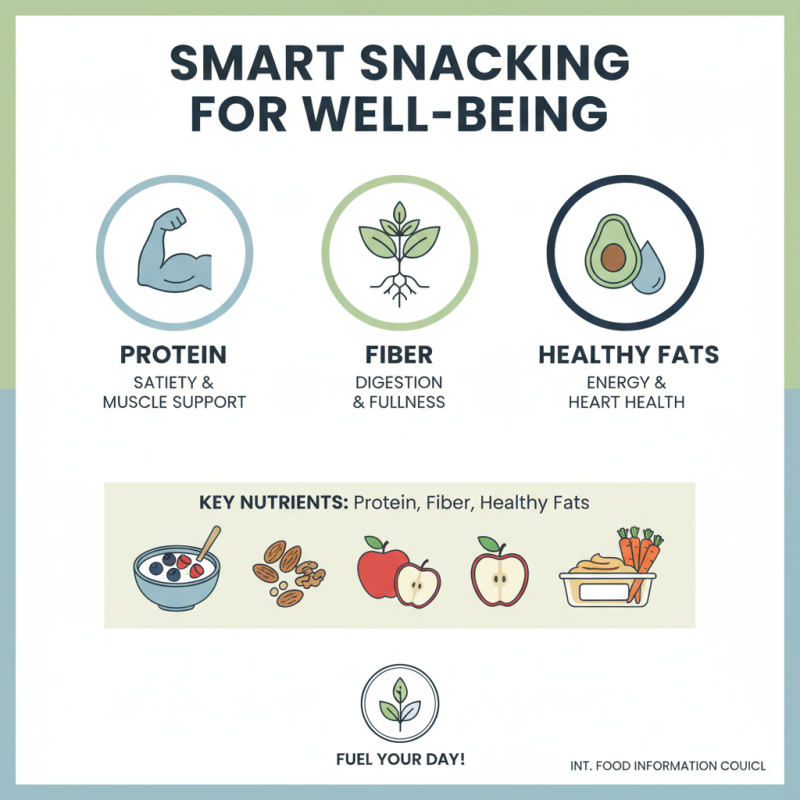
When choosing healthy snacks, it's essential to focus on key nutrients that contribute to overall well-being. According to a report by the International Food Information Council, healthy snacks should ideally contain protein, fiber, and healthy fats. Protein is crucial for satiety; research indicates that consuming protein-rich snacks can help reduce hunger and prevent overeating later in the day. Options such as Greek yogurt or nuts can provide the necessary protein boost while keeping hunger at bay.
Fiber is another important nutrient found in healthy snack options. The Academy of Nutrition and Dietetics suggests that fiber not only aids digestion but also promotes a feeling of fullness, which can be beneficial for weight management. Whole grains, fruits, and vegetables are excellent sources of dietary fiber. A study published in the Journal of Nutrition found that individuals who incorporate high-fiber snacks into their diet tend to have lower overall calorie intake.
Lastly, the inclusion of healthy fats in snacks is vital. The American Heart Association emphasizes that unsaturated fats, found in food items like avocados and seeds, can support heart health and enhance the absorption of fat-soluble vitamins. Eating snacks that combine fiber, protein, and healthy fats can lead to better nutrition and healthier eating patterns overall, making it easier to stick to dietary goals.
Tips for Selecting the Best Healthy Snacks
When it comes to maintaining a balanced diet, the importance of selecting the right healthy snacks cannot be overstated. According to the American Heart Association, incorporating nutritious snacks can assist in managing hunger, reducing the likelihood of overeating at meal times, and promoting better overall health. Research shows that snacks composed of whole foods, such as fruits, vegetables, nuts, and whole grains, are rich in essential nutrients and can provide sustained energy throughout the day. Moreover, a study by the International Journal of Obesity revealed that individuals who consumed healthy snacks reported better satiety and less frequent unhealthy snacking, leading to improved weight-management outcomes.
To choose the best healthy snacks, it’s crucial to focus on nutrient density and ingredient quality. Look for snacks that are low in added sugars and unhealthy fats, and high in fiber and protein. The Dietary Guidelines for Americans suggest aiming for snacks that include at least one serving of fruit or vegetable, as these options not only provide vitamins and minerals but also contribute to overall hydration. Additionally, packaging that clearly lists ingredients and nutritional information can help in making informed decisions. By prioritizing snacks that are both delicious and healthful, individuals can enhance their dietary habits and support long-term wellness.
Why Healthy Snacks Are Essential for Your Diet and How to Choose the Best Ones
| Snack Type |
Health Benefits |
Nutritional Value (per serving) |
Tips for Selection |
| Nuts |
Rich in healthy fats, protein, and fiber |
180 Calories, 16g Fat, 6g Protein, 3g Fiber |
Choose unsalted and raw varieties |
| Greek Yogurt |
High in protein and probiotics |
100 Calories, 10g Protein, 4g Carbs, 0g Fat |
Look for low-sugar options |
| Fresh Fruit |
Loaded with vitamins, minerals, and antioxidants |
60-100 Calories (varies by fruit) |
Seasonal fruits are usually the most nutritious |
| Hummus with Veggies |
Provides fiber, protein, and healthy fats |
150 Calories, 5g Protein, 8g Fat, 4g Fiber |
Choose whole-grain pita or fresh veggies |
| Whole Grain Crackers |
Source of complex carbohydrates and fiber |
70 Calories, 3g Fiber, 2g Protein |
Opt for whole grain with less added sugar |
Common Mistakes to Avoid When Choosing Snacks
When selecting snacks, many individuals fall into common pitfalls that can compromise their efforts to maintain a healthy diet. One such mistake is choosing snacks that are high in added sugars and unhealthy fats. Many packaged snacks may appear healthy at first glance but are often loaded with sweeteners and preservatives that can lead to unwanted calorie intake. It’s essential to read labels carefully and look for snacks that are made with whole ingredients.
Another common error is overlooking portion sizes. Even healthy snacks can contribute to weight gain if consumed in excessive amounts. It’s important to be mindful of portion control by measuring out snacks rather than eating directly from the package. This practice can help prevent mindless eating and ensure that you stay within your dietary goals.
**Tips:** Consider preparing your own snacks using fresh fruits, vegetables, nuts, and whole grains to avoid hidden additives found in many processed snacks. Additionally, keep a variety of healthy options on hand, such as yogurt or homemade energy bars, to make better choices when hunger strikes. Lastly, try integrating protein into your snacks to keep you full longer and stabilize blood sugar levels.