
Skip to content

How to Choose the Best Plastic Bag Supplier in 2026?

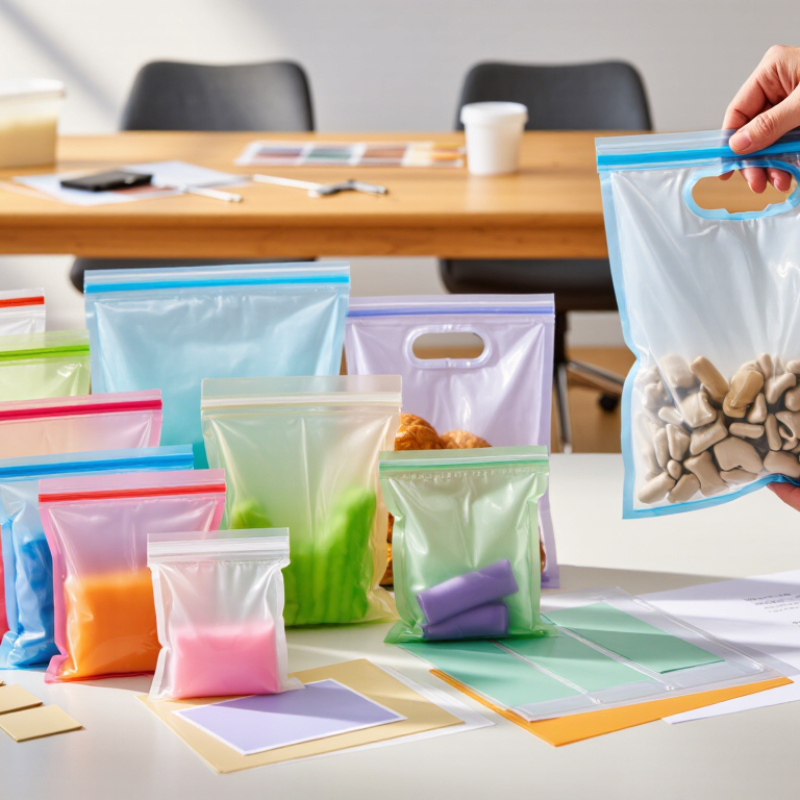
Choosing the right Plastic Bag supplier in 2026 means looking beyond the lowest price on a spreadsheet. A reliable partner should explain material options, provide clear specifications, and show how production quality is checked. Ask for samples. Check the seal. Compare thickness, dimensions, print quality, and consistency across batches. Small details matter when a bag must carry a real product, not just look good in a catalogue.

Sustainable-design expert William McDonough is known for the phrase, “Waste is food.” It offers a useful lens for evaluating packaging choices, though it does not answer every purchasing question. Buyers should ask suppliers what materials they use, what recycled-content claims they can document, and whether their bags suit the intended disposal or recovery route. Claims deserve evidence. A polished brochure is not enough.

Experience helps reveal gaps that a specification sheet may miss. Request references from customers with similar order sizes and delivery needs. Discuss lead times, minimum quantities, artwork approval, and how defects are handled. Then review a sample under ordinary working conditions: fill it, lift it, and inspect the handle and seams. It may feel excessive. It can prevent an avoidable production problem.

There is no perfect supplier for every business. A lower unit cost may come with longer lead times; a greener material may need testing on existing equipment. Be willing to revisit assumptions. This guide explores the questions buyers can ask, the evidence they can request, and the trade-offs worth weighing before choosing a Plastic Bag supplier in 2026.
How to Choose the Best Plastic Bag Supplier in 2026?

Define Your Plastic Bag Requirements and Intended Use

Before comparing suppliers, define the bag’s job in measurable terms. Record product weight, dimensions, filling temperature, storage period, and handling conditions. A 500-gram dry snack needs different protection from a damp, chilled component. Note exposure to abrasion, punctures, sunlight, and repeated opening. Small details matter. Not dimensions alone.

The Flexible Packaging Association’s 2023 State of the Industry report put U.S. flexible-packaging sales at $42.9 billion in 2022. This broad category is not a plastic-bag specification guide. Treat the figure as market context, not proof that one structure suits every product. Ask suppliers to identify the resin, film thickness, seal type, and any barrier layer. Request test data tied to your intended use.

Specify the distribution route: hand-packed cartons, automated filling, parcel shipping, or pallet storage create different stresses. Include target quantities, print needs, closure preference, and acceptable dimensional variation. For a grocery carry bag, handle strength may matter most. For a liner, fit and leak resistance may matter more. A common planning trap is overvaluing unit price. A weak seal can stay hidden until production. Run a filled sample on your line before approving a quote.

Compare Materials, Designs, and Sustainability Options

Choosing a plastic bag supplier in 2026 means comparing resin, structure, and end-of-life options—not just price per thousand. HDPE bags are typically light and crisp, while LDPE feels softer and stretches more. Recycled-content blends may reduce demand for virgin resin, but ask for documented content and batch consistency. Small details matter: handle strength, seal quality, and whether a bag fits the actual product without excess material. Test samples under realistic loads. A neat specification sheet is not enough.

Design affects material use. Ask suppliers to compare bag weight, thickness, and carrying capacity, then check whether thinner designs still resist tearing in normal handling. Printing can complicate recycling when inks, coatings, or mixed materials are involved. OECD’s Global Plastics Outlook reports that the world generated 353 million tonnes of plastic waste in 2019, with only 9% ultimately recycled. The figures cover all plastics, not bags alone, but they show why recyclability claims need careful scrutiny.

Consider recycled content, reuse potential, and locally available collection systems together. UNEP’s 2023 Turning off the Tap report identifies packaging as a major source of single-use plastic waste. Ask for lifecycle evidence, not a vague “eco-friendly” label, and confirm which facilities can process the proposed material. The comparison is not perfectly neat. A recyclable bag may still be discarded where collection is limited; a lighter bag may also fail sooner. Request written specifications, test samples, and clear explanations of trade-offs.

Check Supplier Quality Standards and Regulatory Compliance

When choosing a plastic bag supplier in 2026, inspect quality systems before comparing prices. ISO Survey 2023 recorded more than 1.2 million ISO 9001 certificates worldwide. Certification helps, but it does not guarantee every shipment meets your specification.

Request the supplier’s current certificate, audit scope, and corrective-action records. Ask for evidence. Review thickness tolerance, seal strength, odor, color consistency, and load testing. A capable supplier should provide batch numbers, production dates, and certificates of analysis for every lot.

Regulatory compliance must match your selling markets. Request migration testing for food-contact bags, supported by an accredited laboratory. Check declarations for restricted substances, recycled content, and packaging obligations.

The OECD Global Plastics Outlook reports that only 9% of plastic waste was recycled in 2019. This makes recycled-content claims worth verifying, not merely accepting.

Require material composition records and chain-of-custody documents. Paperwork is not proof. Compare documents with random incoming samples.

Supplier audits should examine clean storage, pest control, calibration records, worker training, and complaint handling.

UNEP’s 2023 Turning off the Tap report estimates that plastic pollution could be reduced by 80% by 2040 through existing solutions. That target increases pressure for measurable material choices and waste controls.

Still, I would not treat sustainability claims as complete evidence. Suppliers can present polished documents while process discipline remains inconsistent. Include unannounced inspections, independent testing, and clear rejection rules in the contract. A low price becomes expensive when failed batches delay shipments.

Assess Production Capacity, Lead Times, and Logistics

How to Choose the Best Plastic Bag Supplier in 2026? Assess Production Capacity, Lead Times, and Logistics

A supplier’s stated capacity matters only if it matches your order pattern. Ask how many production lines are available and whether they serve other customers during peak periods. Request recent output records for products similar to yours. A factory may manage a large annual volume but struggle with a sudden seasonal order. Check how it handles equipment maintenance, material shortages, and quality checks when production speeds up. Specific answers are more useful than a confident sales promise.

Lead times include more than manufacturing. Confirm the schedule for artwork approval, sample production, bulk runs, packing, and dispatch. Ask what could delay each stage and how changes are communicated. Then review the shipping route, available freight options, and responsibility for booking transport. A low production quote can lose its appeal if goods sit waiting for pickup or arrive after your inventory runs low. Build in a buffer. It is not always easy to predict port congestion or local delivery delays, so test the supplier’s estimates against a small initial order where practical.

Tips: Ask for a written production calendar and shipping milestones. Compare quoted lead times with past order records, not just ideal estimates. Name a contact for urgent updates. Leave room for a little uncertainty; even a careful plan can slip.

Compare Costs and Verify the Supplier Before Choosing

Choosing the best plastic bag supplier in 2026 requires more than comparing the unit price. A low quotation may exclude printing, tooling, freight, inspection, or customs charges. Calculate the landed cost for each supplier. Include minimum order quantities and expected defect rates. A cheaper bag can become expensive when seals fail or delivery slips.

Ask for recent product samples, material specifications, test reports, and production photos. Verify whether the documents match the actual factory. Request customer references from similar industries. A short video call can reveal storage conditions, equipment, and quality procedures. I once trusted a polished quotation too quickly. The sample looked fine, but the final thickness was inconsistent. That mistake changed how I check suppliers.

Tips: Compare identical specifications. Confirm bag thickness, dimensions, handle strength, color tolerance, packaging, and delivery terms in writing. Order a small trial batch before a large contract. Check how the supplier handles complaints and replacement requests. Clear answers matter. Vague promises do not. Also review environmental claims carefully, because “recyclable” may depend on local collection systems and material combinations. A supplier’s experience, traceable records, and honest limitations are stronger evidence than attractive marketing.

Back To Top