What is Longkou Vermicelli and How to Use It?
Longkou Vermicelli, often referred to as "glass noodles," is a popular staple in Asian kitchens. Made from mung bean starch, this versatile ingredient has gained recognition worldwide. According to a recent industry report by Allied Market Research, the global market for vermicelli was valued at approximately $2.5 billion in 2022 and is expected to grow as more consumers discover its culinary potential. Longkou Vermicelli is not only gluten-free but also low in calories, making it an attractive option for health-conscious individuals.
This noodle type is known for its ability to absorb flavors, making it ideal for a variety of dishes, from stir-fries to soups. However, its delicate texture can be challenging for some chefs. The cooking process requires careful attention to avoid overcooking. Many cooking enthusiasts note that achieving the perfect texture often demands practice and patience. Still, the rewards are worth the effort, as Longkou Vermicelli can elevate any meal with its unique quality.
Consumers are increasingly seeking authentic ingredients for their recipes. However, not all vermicelli is created equal. It’s essential to source high-quality Longkou Vermicelli from reputable suppliers. This ensures the best flavor and texture in culinary applications. As the demand for plant-based foods grows, understanding how to use and appreciate Longkou Vermicelli becomes increasingly valuable in today's culinary landscape.
What is Longkou Vermicelli?
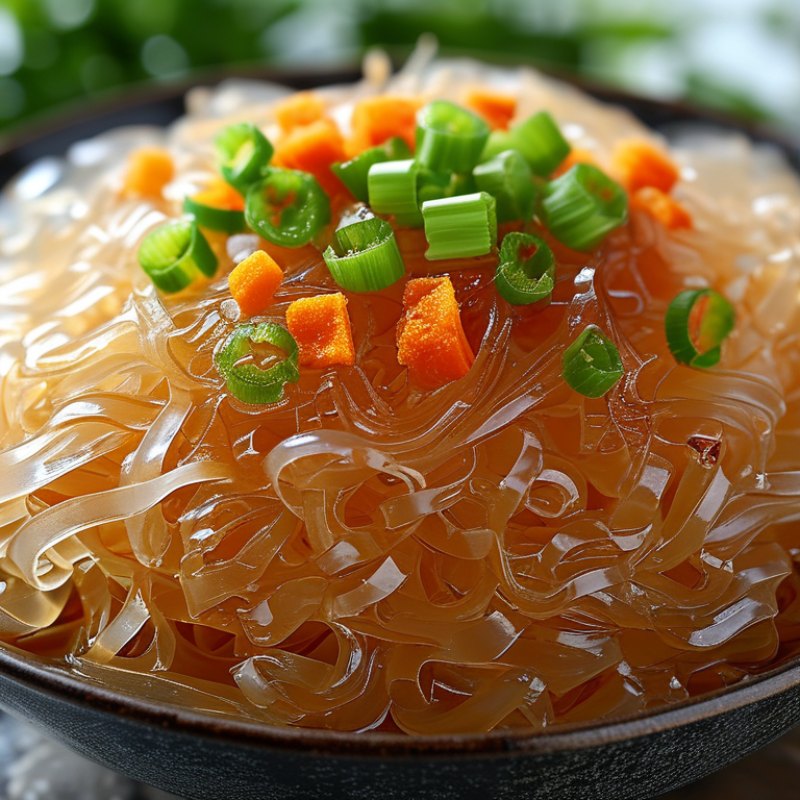
Longkou vermicelli, also known as glass noodles, is a popular ingredient in Asian cuisine. Made from mung bean starch, this translucent noodle has a unique texture. Its versatility makes it suitable for soups, stir-fries, and salads. According to industry data, the demand for gluten-free alternatives is rising, with glass noodles being favored for their plant-based origin.
Cooking Longkou vermicelli is simple. Soak the noodles in warm water for about 15-20 minutes until they soften. This method preserves their chewy texture. After soaking, you can add them directly to your dish. An interesting fact is that they absorb flavors well, making them ideal for savory broths and sauces.
Tips: Pair Longkou vermicelli with fresh vegetables and proteins. This balance enhances the nutritional profile of your meal. Another point to consider is portion control. While these noodles are light, it's easy to overindulge. Aim for a serving size of about 30 grams, which can effectively complement a balanced diet.
What is Longkou Vermicelli and How to Use It?
| Aspect | Details |
| Origin | Longkou City, Shandong Province, China |
| Ingredients | Mung bean starch, water |
| Texture | Thin and translucent |
| Taste | Neutral, absorbs flavors |
| Cooking Method | Soak in hot water for 10-15 minutes |
| Common Uses | Soup, stir-fry, salad |
| Nutritional Value | Low in calories, gluten-free |
History and Origin of Longkou Vermicelli
Longkou Vermicelli, also known as glass noodles, has a rich history tied to the coastal city of Longkou in Shandong Province, China. This delicacy traces its origins back to the Ming Dynasty, around the 14th century. It was during this time that local artisans began crafting these transparent noodles from mung bean starch. As the technique evolved, Longkou Vermicelli became known for its smooth texture and ability to absorb flavors, which appealed to many palates.
According to the China Food Industry Association, the production of vermicelli has seen significant growth. In 2020, the industry reported a revenue of over $3 billion. This reflects the increasing popularity of Longkou Vermicelli not only in China but globally. However, the market faces challenges, particularly in ensuring quality and authenticity. Many products labeled as “Longkou Vermicelli” lack the traditional production methods that define true vermicelli from Longkou. Consumers must be educated to differentiate between genuine products and subpar imitations.
Cultural narratives play a crucial role in the continued fascination with Longkou Vermicelli. Many families have cherished recipes that have been passed down through generations. Yet, as modernization takes its toll, some of these artisanal techniques risk fading away. Maintaining the integrity of this culinary heritage has become a pressing concern for both producers and consumers alike.
Culinary Uses of Longkou Vermicelli
Longkou vermicelli, often made from mung bean starch, is a staple in many Asian cuisines. It is thin, translucent, and has a unique chewy texture. This versatile ingredient can absorb flavors beautifully, making it popular in soups, stir-fries, and salads.
In soups, Longkou vermicelli adds a delightful chew to broths. Just soak them in hot water for a few minutes before adding them to your dish. In stir-fries, they can soak up sauce flavors. Add them towards the end of cooking to keep their texture intact. Toss them in a refreshing salad for a cool, light meal. The combination of crisp vegetables and soft vermicelli is heavenly.
Tips: When cooking Longkou vermicelli, remember not to over-soak them. They can become too soft. Experiment with various sauces and spices to find your favorite flavor combinations. This ingredient can expand significantly, so use a smaller amount than you think. Enjoy the process and discover what works best for you!
Nutritional Benefits of Longkou Vermicelli
Longkou Vermicelli, made from mung bean starch, is a popular ingredient in various dishes. It has a unique, chewy texture, ideal for soups and stir-fries. But its nutritional benefits make it even more appealing.
Rich in carbohydrates, Longkou Vermicelli provides a quick energy source. It is low in fat and contains no cholesterol, making it heart-healthy. Additionally, it's gluten-free, which is great for those with dietary restrictions. The vermicelli also contains essential vitamins and minerals, contributing to overall well-being.
**Tips:** When cooking Longkou Vermicelli, soak it in hot water for about 15 minutes. This ensures a tender texture. Pair it with vegetables and lean proteins for a balanced meal.
While it offers numerous benefits, it's essential to consume it in moderation. Overindulgence may lead to excessive carbohydrate intake. Planning meals thoughtfully can help maintain a healthy diet. Enjoying Longkou Vermicelli can be nutritious and delicious when prepared wisely.
Nutritional Benefits of Longkou Vermicelli
How to Cook Longkou Vermicelli Properly
Cooking Longkou vermicelli can be a delightful experience. These translucent, delicate noodles are made from mung bean starch, making them gluten-free and light. Using the right method is key to achieving the desired texture and flavor.
Start by soaking the vermicelli in warm water for about 15-20 minutes. This step is crucial. If you soak them for too long, they can become mushy. Drain them well after soaking. Heat a bit of oil in a pan. Add your favorite vegetables or proteins and stir-fry for a few minutes. The vermicelli can be added directly to the pan. Toss everything together and watch as the noodles absorb flavors.
Be mindful of the cooking time. Overcooked vermicelli will lose their springiness. Aim for a tender yet slightly chewy texture. Adjust seasonings like soy sauce or sesame oil gradually. Taste as you go. If you're new to cooking these noodles, it might take some practice to get it right. Don’t hesitate to experiment with different ingredients and flavors.