Top Plant Based Snack Trends to Watch in 2025
As we approach 2025, the plant based snack industry is poised for remarkable growth and evolution. Experts are predicting a surge in innovative flavors, textures, and nutritional profiles that cater to a diverse range of dietary preferences. Renowned food industry analyst, Dr. Emily Green, emphasizes the significance of this trend, stating, “The future of snacking will be defined by the shift towards plant based options that are not only healthier but also more sustainable.” This highlights the growing consumer demand for snacks that align with wellness and environmental consciousness.
The inclination towards plant based snacks signifies a broader movement in food consumption, where snacking is becoming not just a convenience, but a mindful choice. In 2025, we can expect to see a variety of plant based snack options that include everything from protein-rich legumes to innovative uses of vegetables and grains. This evolving landscape not only provides better options for health-conscious consumers but also supports sustainable practices in food production. As we delve deeper into these trends, the potential for plant based snacks to reshape our eating habits while promoting a healthier planet becomes increasingly evident.
Emerging Ingredients Driving Plant-Based Snack Innovation
As we look ahead to 2025, the plant-based snack industry is set to undergo significant transformation, fueled by innovative ingredients that cater to health-conscious consumers. One of the most compelling trends is the rise of alternative proteins derived from legumes, grains, and seeds. These sources not only provide essential amino acids but also contribute unique flavors and textures that are appealing to a wide audience. Beyond just fulfilling protein requirements, these ingredients are enabling manufacturers to develop snacks that are both nutritious and satisfying, addressing the demand for foods that fuel an active lifestyle.
Another exciting development is the integration of superfoods into plant-based snacks. Ingredients like spirulina, chia seeds, and ancient grains are becoming staples, not just for their health benefits but also for their potential to enhance the snack's sensory profile. These superfoods are rich in micronutrients and antioxidants, appealing to consumers who prioritize wellness. Additionally, sustainability plays a crucial role in ingredient selection, with a growing emphasis on sourcing components that are environmentally friendly. As these emerging ingredients gain popularity, they promise to reshape the landscape of plant-based snacking, making it more diverse and appealing to a broader audience.
Health Benefits of Plant-Based Snacks Influencing Consumer Choices
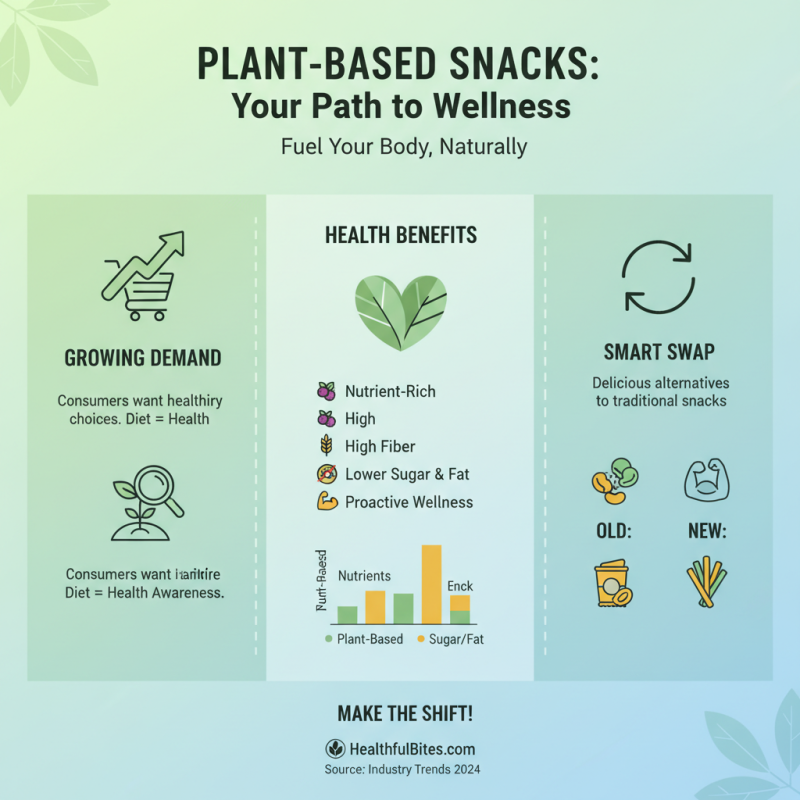
As consumers become increasingly aware of the link between diet and health, the demand for plant-based snacks is rising. The health benefits associated with these snacks have become a significant factor influencing purchasing decisions. Rich in essential nutrients and fiber, plant-based snacks provide an attractive alternative to traditional snack options that are often high in sugar and fat. They are perceived not only as healthier choices but also as proactive measures toward better wellness.
Moreover, the growing focus on mental health and well-being is shaping consumer preferences. Plant-based snacks that are rich in antioxidants and vitamins are known to improve mood and cognitive function. This connection between nutrition and mental health is prompting consumers to opt for snacks that enhance their overall well-being. As educational resources become more accessible, individuals are increasingly scrutinizing food labels, seeking out snacks that offer clear health benefits while adhering to a plant-based diet. As a result, the market is witnessing a shift toward snacks that not only satisfy cravings but also contribute to a healthier lifestyle.
Sustainability Trends Shaping the Future of Plant-Based Snacks
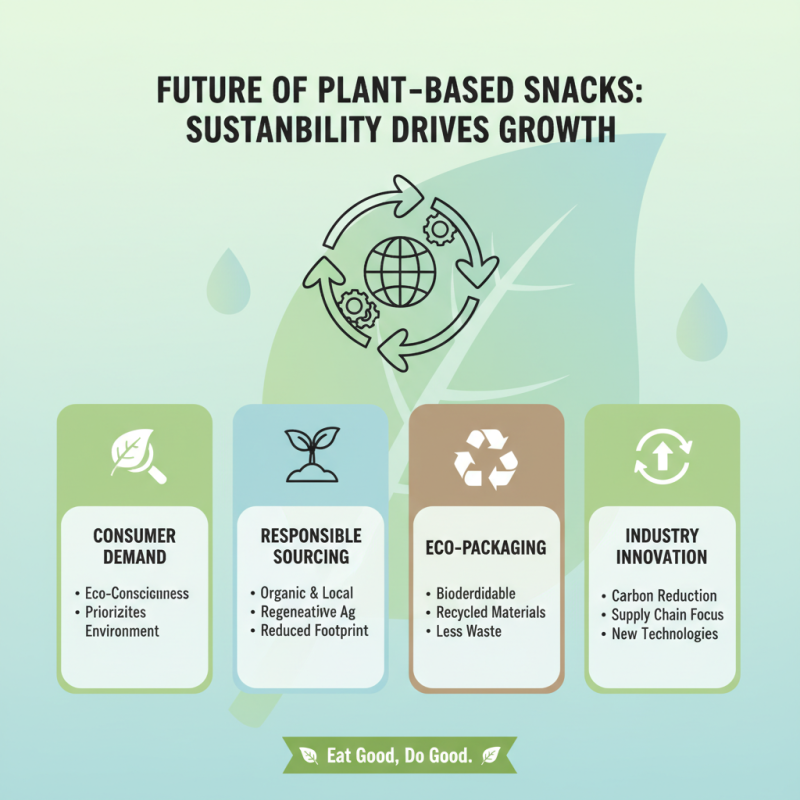
As the demand for plant-based snacks continues to rise, sustainability is emerging as a pivotal trend shaping the future of this sector. More consumers are prioritizing environmental consciousness in their purchasing decisions, leading brands to adopt more sustainable practices throughout their supply chains. This shift is reflected in the sourcing of ingredients, with a growing emphasis on using organic, locally sourced, and regenerative agricultural practices that minimize environmental impact. Brands are exploring innovative ways to reduce their carbon footprint, including sustainable packaging solutions that are biodegradable or made from recycled materials.
Additionally, the trend towards transparency plays an essential role in sustainability. Consumers are increasingly seeking information about the origins of their snacks, the production processes involved, and the ethical standards adhered to by manufacturers. As a result, brands are sharing detailed narratives about their ingredient sourcing and the positive environmental initiatives they are implementing. This shift not only aligns with consumer values but also fosters a sense of trust and loyalty between brands and their customers. In 2025, we can expect to see even greater integration of sustainability into the core of plant-based snack development, leading to more eco-friendly innovations that resonate with health-conscious and environmentally aware consumers.
Creative Flavor Combinations in Plant-Based Snack Development
As we move towards 2025, the plant-based snack industry is poised for exciting innovations, particularly in creative flavor combinations that are capturing consumer interest. According to a recent report from the Plant Based Foods Association, the plant-based snack sector grew by 27% in the past year, showcasing a significant shift in consumer preferences towards healthier and more diverse options. This trend is anticipated to continue, as more consumers seek snacks that not only meet their dietary choices but also tantalize their taste buds with unique and adventurous flavors.
One of the key drivers in this trend is the fusion of unexpected ingredients that reflect both global culinary influences and local palates. For instance, snacks that combine traditional flavors with plant-based proteins, such as chickpea-infused chips with spicy kimchi or sweet potato crisps paired with tangy mango salsa, are becoming increasingly popular. Research from Future Market Insights indicates that flavor innovation is a top priority for 60% of snack manufacturers, as combining savory elements with sweet or spicy notes can elevate standard offerings into gourmet experiences. These creative blends not only cater to the growing demand for plant-based options but also enhance the overall snacking experience, allowing consumers to explore new tastes without compromising on their health goals.
In addition to bold flavor combinations, there is a notable shift towards incorporating functional ingredients that add nutritional value to snacks. Consumers are becoming more conscious of what they eat, seeking snacks that provide benefits beyond basic sustenance. Trend reports indicate that flavors with health-boosting properties, such as turmeric, probiotics, and adaptogens, are making waves in the plant-based space. This focus on health, combined with innovative flavor partnerships, positions plant-based snacks not just as food, but as a holistic approach to wellness that reflects the evolving preferences of modern consumers.
Top Plant Based Snack Trends to Watch in 2025
This bar chart illustrates the anticipated popularity of various creative flavor combinations in plant-based snack development by the year 2025. The data reflects consumer preferences for unique and innovative flavors that are gaining traction in the market.
Rise of Convenience and On-the-Go Plant-Based Snack Options
The demand for convenient, on-the-go plant-based snacks is set to soar in 2025 as consumers increasingly prioritize healthy, environmentally friendly options that fit into their busy lifestyles. According to a recent industry report, the global plant-based snack market is expected to grow by over 25% between 2022 and 2025, driven largely by a surge in consumer interest for quick, nutritious options. This trend is a direct response to the fast-paced world where traditional meal times are often replaced by snacking, creating a unique opportunity for innovative plant-based products.
To cater to this evolving market, manufacturers are focusing on developing snacks that not only deliver flavor and nutritional benefits but also come in portable packaging. Research indicates that 65% of consumers are more likely to purchase snacks that they can easily take on-the-go, emphasizing the importance of convenience in product design. Plant-based snacks, such as protein bars, dried fruits, and nut mixes, are becoming everyday essentials, with many featuring sustainable ingredients appealing to eco-conscious shoppers.
**Tips:** When selecting plant-based snacks, aim for options that include whole food ingredients and minimal processing to maximize health benefits. Additionally, consider portion control in on-the-go formats to help maintain a balanced diet. Always check for certifications like organic or non-GMO, which can ensure that you’re making a conscious choice for your health and the environment.
Top Plant Based Snack Trends to Watch in 2025 - Rise of Convenience and On-the-Go Plant-Based Snack Options
| Trend |
Description |
Projected Market Growth (%) |
Consumer Preference (%) |
| Portable Snacks |
Convenient single-serve packs for on-the-go consumption. |
35% |
70% |
| Nut-Based Snacks |
Snacks high in protein and healthy fats, often flavored. |
25% |
60% |
| Veggie Chips |
Crispy and flavorful alternatives to traditional potato chips. |
20% |
65% |
| Plant-Based Jerky |
Meat alternatives that provide protein and chewy texture. |
30% |
55% |
| Protein Bars |
High-protein snacks made with plant-based ingredients. |
40% |
75% |