What is Snack Foods and Why Are They So Popular Among Consumers
Snack foods have become an integral part of modern diets, capturing the attention and taste buds of consumers across the globe. Their convenience, wide variety, and ability to satisfy cravings make them a go-to option for people of all ages. Whether enjoyed at home, during work breaks, or while on the go, snack foods offer a quick and easy way to curb hunger and provide a moment of indulgence in our busy lives.
The popularity of snack foods can be attributed to several factors, including changing lifestyles, cultural influences, and a growing demand for convenient eating options. In a fast-paced world, where meals are often skipped or rushed, consumers are increasingly turning to snacks to fill the gaps in their daily nutrition. Moreover, the evolution of snack foods has led to an exciting array of flavors and textures, appealing to diverse palates and dietary preferences, thus enhancing their appeal further.
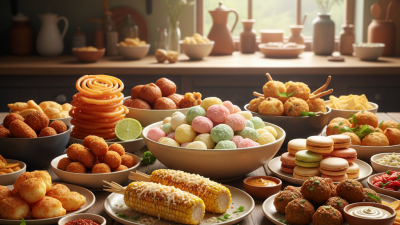
As we explore the world of snack foods, it becomes evident that their allure lies not just in their taste, but also in their versatility and role in social experiences. From office gatherings to family movie nights, snack foods play a significant role in bringing people together, creating an atmosphere of enjoyment and relaxation. This multifaceted nature is what makes snack foods a beloved choice for many, allowing them to serve both practical and pleasurable purposes in our daily lives.

What Are Snack Foods: Definition and Types in the Food Industry
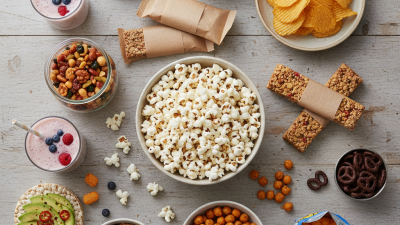
Snack foods are a diverse category within the food industry, characterized by their convenience, portability, and variety. Generally defined as small portions of food consumed between main meals, they cater to a wide array of tastes, dietary preferences, and lifestyles. Snack foods can range from savory items such as chips and crackers to sweet treats like cookies and candies. Moreover, healthier alternatives like nuts, dried fruits, and granola bars have gained traction, reflecting a growing consumer awareness of nutrition and wellness.
The types of snack foods are extensive, often categorized based on their ingredients or preparation methods. For instance, baked snacks offer a lower-fat alternative to their fried counterparts, while fruit and vegetable snacks leverage natural flavors and nutrients. Additionally, the innovation in flavors and textures, such as spicy or crunchy snacks, has contributed to their appeal. The rise of plant-based and gluten-free options further exemplifies the industry's adaptability to shifting consumer preferences, ensuring snack foods remain a beloved choice in modern diets.
Snack Foods Popularity by Category
This chart represents the popularity of different snack food categories based on sales in millions of dollars. As depicted, chips lead the market, followed by nuts and cookies, showcasing consumer preferences in the snack foods sector.
The Growing Market of Snack Foods: Industry Statistics and Trends
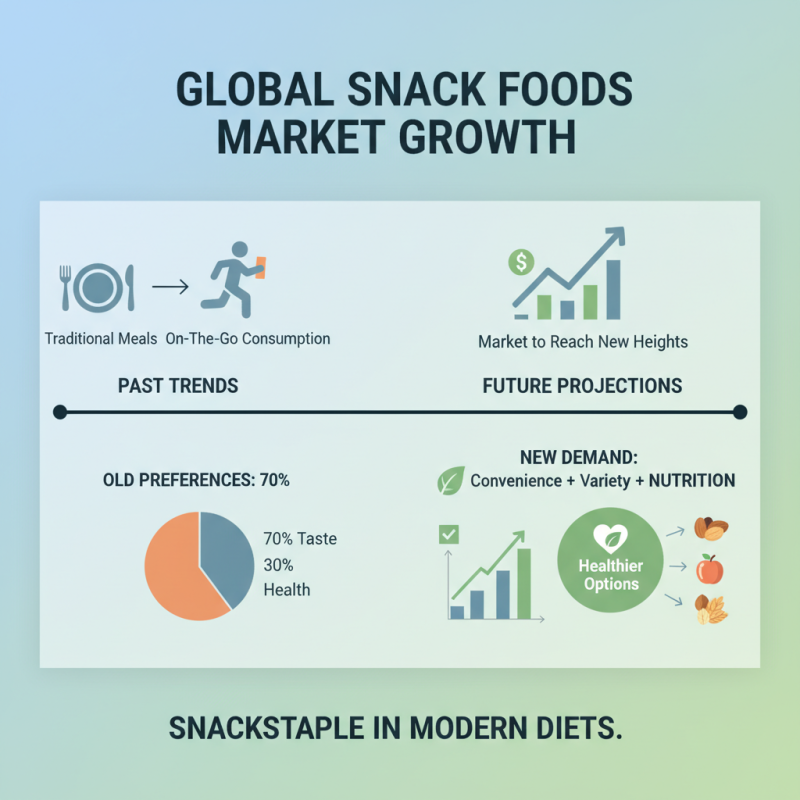
The snack foods market has witnessed significant growth in recent years, driven by changing consumer preferences and busy lifestyles. With the rise of on-the-go consumption, snacks have become a staple in the diets of many individuals, surpassing traditional meal patterns. Industry statistics indicate that the global snack food market is projected to reach unprecedented levels, fueled by the demand for convenience and variety. Consumers are increasingly seeking healthier options, leading to a surge in demand for products that offer nutritional benefits without sacrificing taste.
Additionally, trends in snacking behaviors show a notable shift towards plant-based and organic snacks. This transformation is a response to the growing awareness of health and wellness, with many consumers prioritizing clean label products. Moreover, the impact of social media and influencer marketing has created a culture where unique and innovative snack options gain traction quickly. As a result, manufacturers are continually adapting their offerings to meet these evolving consumer expectations, ensuring that the snack food market remains dynamic and responsive to market trends.
Consumer Preferences: Why Snack Foods are Popular Choices
Snack foods have become a staple in the diets of many consumers, largely due to their convenience and variety. One significant reason for their popularity is the fast-paced lifestyle that many people lead today. Busy schedules often leave little time for traditional meal preparation, making snacks an attractive option. Consumers appreciate the ability to easily grab something portable and enjoyable, whether at work, school, or on the go. This convenience factor allows individuals to indulge in quick bites while still catering to their busy routines.
Moreover, consumer preferences play a crucial role in the widespread appeal of snack foods. The diversity of flavors, textures, and options available caters to a wide range of tastes and dietary needs. From savory to sweet, spicy to healthy, there is a snack for everyone. Additionally, growing trends towards healthier snacking options, such as plant-based or low-calorie alternatives, have attracted health-conscious consumers while still fulfilling their cravings. These evolving preferences reflect a shift in how people think about food, emphasizing the importance of enjoyment and satisfaction in their eating habits. As a result, snack foods continue to thrive in the marketplace, appealing to various demographics and lifestyle choices.
Health Considerations: The Rise of Healthy Snack Alternatives
As consumers become increasingly health-conscious, the snack food industry is witnessing a significant shift towards healthier alternatives. According to a research report by Grand View Research, the global healthy snacks market size was valued at approximately $78 billion in 2022, with expectations to expand at a compound annual growth rate (CAGR) of around 5% from 2023 to 2030. This growing trend reflects a broader societal move away from traditional snacks, which are often high in sugar, salt, and unhealthy fats, toward options that offer nutritional benefits without sacrificing flavor.
Several factors contribute to this rise in popularity of healthy snacks. A survey conducted by the International Food Information Council revealed that 62% of consumers consider themselves to be health-focused, and 72% are actively looking for snacks that contribute to a balanced diet. This demand is driving manufacturers to innovate and reformulate products, leading to a proliferation of choices that include plant-based proteins, whole grains, and functional ingredients such as probiotics or adaptogens. The shift also aligns with the increasing prevalence of dietary restrictions and preferences, such as gluten-free or low-carb diets, further fueling the development and marketing of healthy snack options tailored to diverse consumer needs.
What is Snack Foods and Why Are They So Popular Among Consumers - Health Considerations: The Rise of Healthy Snack Alternatives
| Snack Type |
Calories (per serving) |
Protein (g) |
Fat (g) |
Fiber (g) |
Sugars (g) |
Health Rating (1-5) |
| Potato Chips |
150 |
2 |
10 |
1 |
1 |
2 |
| Granola Bar |
100 |
3 |
4 |
2 |
8 |
4 |
| Almonds |
170 |
6 |
15 |
3 |
1 |
5 |
| Popcorn (Air-Popped) |
30 |
1 |
0.5 |
1 |
0 |
5 |
| Fruit Slices |
50 |
0.5 |
0 |
2 |
10 |
5 |
Innovations in Snack Foods: Trends Shaping the Future Market
The market for snack foods is undergoing a significant transformation, driven by changing consumer preferences and innovative approaches to product development.
Health-conscious choices are dominating the landscape, prompting manufacturers to experiment with new ingredients and formulations.
For instance, there’s a growing trend towards plant-based snacks that cater not only to vegans but also to those seeking healthier options.
Additionally, snacks that boast high protein content or are low in sugar are gaining traction, reflecting a shift towards more nutritious eating habits while maintaining convenience.
Moreover, technology is playing a pivotal role in shaping the future of snack foods.
From the use of advanced food processing techniques to the incorporation of artificial intelligence in consumer behavior analysis, companies can now create tailored products that meet specific consumer needs.
Sustainability is another critical factor, as brands increasingly focus on eco-friendly packaging and sourcing local ingredients.
These trends highlight a broader movement towards responsible consumption, where consumers are not only seeking indulgent treats but are also mindful of their environmental impact and overall health.