How to Source Sodium Bisulfate in Bulk?
Sourcing Sodium Bisulfate in bulk requires more than comparing supplier quotations. Buyers must verify chemical grade, assay, moisture, particle size, packaging, and delivery reliability. The product may arrive as dry crystals, packed in 25-kilogram bags, one-tonne supersacks, or bulk containers. Small specification differences can affect wastewater treatment, pH adjustment, mining, and industrial cleaning performance.
The U.S. Geological Survey’s Mineral Commodity Summaries identifies sulfuric acid as sulfur’s principal use, linking Sodium Bisulfate supply indirectly to broader sulfur and acid markets. Market reports from Grand View Research and MarketsandMarkets also indicate continuing demand for industrial chemicals, water treatment, and related pH-control products. Lisa A. Corathers, a U.S. Geological Survey sulfur-market specialist, states, “Sulfuric acid is the principal use of sulfur.” This relationship matters because sulfur availability, acid production, energy prices, and regional freight costs can influence supplier quotations.
A reliable sourcing process should request a current certificate of analysis, safety data sheet, production origin, batch number, and third-party test results. Confirm the CAS number, 7681-38-1, before approval. Check whether the supplier supports REACH, TSCA, or other destination-market requirements. Do not trust the lowest offer automatically. It may exclude inland transport, pallet fees, testing, or customs handling. That is where budgets fail.
The practical weakness is obvious. Public reports rarely separate Sodium Bisulfate from wider sulfur-chemical categories. Buyers should therefore compare several verified suppliers, inspect recent samples, and review three months of price and freight data. A careful sourcing plan protects quality, compliance, and continuity. Procurement is never perfectly predictable.
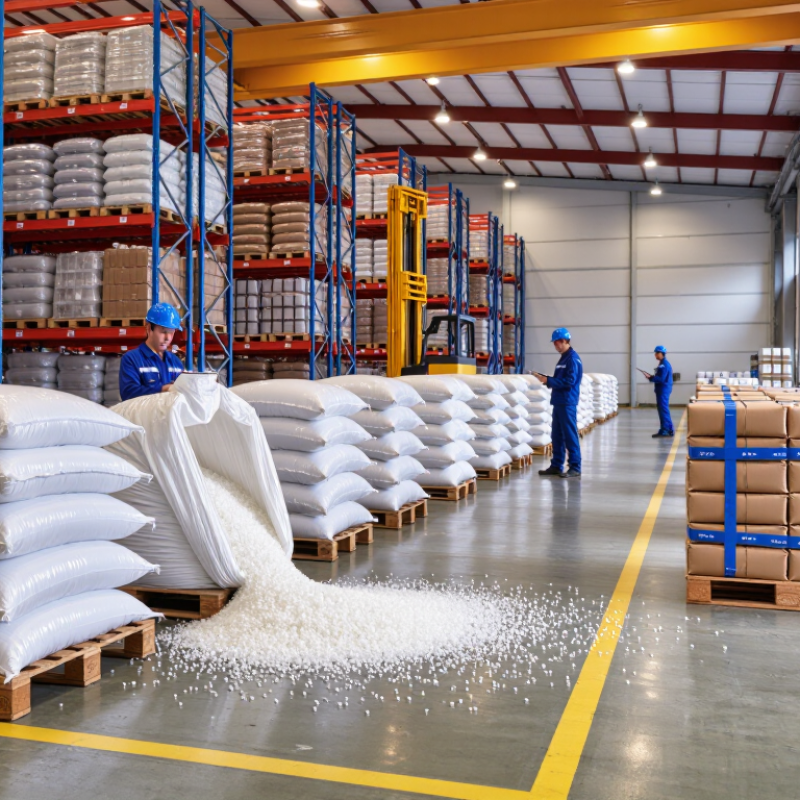
Define Sodium Bisulfate Specifications and Bulk Requirements
Bulk sodium bisulfate sourcing starts with a precise specification, not a supplier list. Define the required assay, moisture level, particle size, and physical form. State whether the material is dry powder, granulated, or another approved grade. Small differences can affect dissolution, handling, and process consistency. Keep the intended application clear.
Be specific.
Set a realistic monthly volume, minimum order quantity, delivery schedule, and destination. Confirm packaging, such as moisture-resistant bags, lined drums, or bulk containers. Storage conditions matter because humidity can cause caking and reduce handling efficiency. Request a current certificate of analysis for every production lot. The document should match your agreed limits, test methods, batch number, and production date. A safety data sheet, technical data sheet, and traceability records should also be available.
Ask for a representative sample before committing to a large shipment. Test it under actual operating conditions, including transfer, mixing, and storage. In my experience, laboratory results alone may miss problems with dust, flowability, or packaging damage. That is worth reconsidering. Verify transport terms, insurance responsibility, customs documents, and contingency stock in writing. Supplier audits, quality agreements, and periodic requalification add practical control. Do not accept vague descriptions such as “industrial grade” without measurable limits. A lower purchase price may become expensive when inconsistent material interrupts production.
Compare Pricing, Packaging, Lead Times, and Minimum Orders
Sourcing sodium bisulfate in bulk requires more than comparing the lowest quote. UN Comtrade places many sulfate products under HS 283319, so trade data may not isolate sodium bisulfate precisely. Use it as a directional benchmark, not a final price reference. Request a delivered-cost breakdown covering product value, inland freight, insurance, and port charges. Energy costs, sulfuric acid availability, and regional freight can shift pricing quickly.
Packaging changes the real purchasing cost. Common options include 25-kilogram bags, 500-kilogram flexible intermediate bulk containers, and bulk tankers. Bags offer easier handling but create more labor and packaging waste. FIBCs reduce handling time, although warehouse lifting equipment becomes necessary. Check moisture barriers, pallet patterns, liner material, and net weight tolerance. The 2023 World Bank Logistics Performance Index shows that logistics reliability differs widely between markets, so a cheaper origin may still produce higher landed costs.
Tips: Ask for three lead-time scenarios: normal production, peak demand, and transport disruption. Confirm the minimum order separately for bags, FIBCs, and tanker loads. A low MOQ may carry a surcharge. Request recent certificates of analysis, safety data sheets, batch traceability, and retained-sample procedures. Some quotations look attractive until storage fees appear. I would also allow a small contingency, because published freight data rarely reflects every local charge.
How to Source Sodium Bisulfate in Bulk? - Compare Pricing, Packaging, Lead Times, and Minimum Orders
| Sourcing Route | Typical Product Form | Typical Assay | Common Packaging | Indicative Price Range
(USD per Metric Ton) | Typical Lead Time | Common Minimum Order | Best Suited For | Important Commercial Considerations |
| Local chemical distributor | Dry crystalline or granular sodium bisulfate | Typically 93%–100%, depending on specification | 20–25 kg multi-wall bags; palletized and stretch-wrapped | $350–$650 | 1–3 weeks | 1 pallet, usually about 0.5–1.25 metric tons | Trial orders, laboratory use, water-treatment operations, and irregular demand | Highest unit cost, but usually the shortest delivery time and lowest logistical complexity |
| Regional bulk distributor | Industrial-grade dry crystals or granules | Typically 93%–98% | 500–1,000 kg flexible intermediate bulk containers; optional palletized bags | $230–$430 | 2–5 weeks | 2–5 metric tons | Small and medium manufacturers with recurring monthly consumption | Lower packaging cost than bagged material; confirm discharge equipment and liner requirements |
| Regional producer or direct contract | Industrial-grade granular material | Typically 93%–98% | 1,000 kg bulk bags or 25 kg bags on pallets | $180–$340 | 3–6 weeks | 5–10 metric tons | Consistent production schedules and repeat industrial purchases | Contract pricing may improve with forecasted volumes; quality documents should be agreed before shipment |
| Domestic full-truckload supply | Bulk granular sodium bisulfate | Typically 93%–98% | Bulk pneumatic or dry-bulk truck delivery | $150–$290 | 2–8 weeks | 20–25 metric tons | Large water-treatment, industrial-processing, and chemical-consumption sites | Requires suitable silos, unloading equipment, moisture control, and a truck-accessible receiving location |
| Imported full-container order | Dry crystalline or granular material | Typically 93%–100%, subject to the purchase specification | 25 kg bags or 500–1,000 kg bulk bags in a 20-foot container | $120–$260 | 5–10 weeks | 20–24 metric tons, usually one container | Price-sensitive buyers with predictable demand and warehouse capacity | Allow for ocean freight, customs clearance, inland transport, duties, port charges, and possible demurrage |
| Imported multi-container contract | Contracted industrial-grade granules or crystals | Typically 93%–98% | Bulk bags or palletized 25 kg bags; shipment quantity agreed by container | $105–$225 | 6–12 weeks for the first shipment; scheduled releases thereafter | 40–100 metric tons per contract | High-volume users seeking stable supply and lower delivered cost | Lowest potential unit price, but requires stronger working capital, storage, and demand planning |
Verify Supplier Quality, Compliance, and Product Documentation
How to Source Sodium Bisulfate in Bulk?
Bulk sourcing starts with evidence, not a low quoted price. Request a current Certificate of Analysis for every production lot. Check assay, moisture, insoluble matter, free acidity, particle size, and appearance. NIST Chemistry WebBook lists sodium bisulfate at 120.06 g/mol, so the stated assay should match the requested hydrate form. This small detail matters. Some quotations appear comparable but describe different grades or moisture conditions.
Review the supplier’s Safety Data Sheet before approval. Under OSHA’s Hazard Communication Standard, an SDS should contain 16 sections, including hazards, handling, storage, and transport information. Compare its classification with the ECHA dissemination portal and PubChem records. A missing revision date, vague hazard wording, or copied limits deserves questioning. The United Nations Globally Harmonized System also supports consistent chemical labeling worldwide, although local rules still differ.
Ask for traceability from factory to shipment. The package label should show batch number, net weight, manufacturing date, retest date, and origin. Request a sample before contracting a full truckload. Test it through an accredited laboratory using documented methods, not only visual inspection. ISO/IEC 17025 accreditation is useful evidence of laboratory competence. US EPA Chemical Data Reporting records can help verify whether the stated manufacturer or importer has a credible regulatory footprint. They are not a complete guarantee. I have seen clean pallets hide inconsistent granulation and damp inner bags. Build acceptance criteria into the purchase contract, including retesting rights, document retention, and rejection procedures. Supplier approval should remain conditional.