
Top 10 Food Grade Flavor Types for Global Buyers?
Food Grade Flavor is becoming a strategic ingredient, not merely a finishing touch. Buyers now evaluate taste, stability, labeling, application performance, and supply continuity together. The global food flavor market was valued at approximately USD 18.9 billion in 2023, according to Fortune Business Insights. MarketsandMarkets also projects continued growth through 2028, driven by beverages, dairy alternatives, bakery products, and convenience foods.
The numbers differ between reports. That matters. Definitions, regional coverage, and natural flavor classifications are not always consistent. Buyers should read the methodology, not only the headline value. A practical purchase decision begins with the product’s use case: a citrus flavor for sparkling water behaves differently from one designed for yogurt or baked biscuits.
Flavorist John Wright, author of Flavor Creation, describes flavor as “the combination of taste, aroma and mouthfeel.” This simple observation remains commercially important. A strong strawberry profile may lose impact after pasteurization. Vanilla can become flat in a high-protein drink. Mint may overpower a low-sugar formula.
This guide examines ten major Food Grade Flavor types used by global buyers, including fruit, citrus, vanilla, chocolate, mint, spice, savory, dairy, floral, and botanical profiles. It considers sensory character, common applications, formulation challenges, and sourcing questions. Supplier documentation still deserves careful review. Certificates, allergen statements, batch consistency, and regulatory compliance can vary by market.
The best flavor is not always the strongest one. It is the profile that survives processing and fits consumer expectations. Mistakes happen. Testing remains essential.
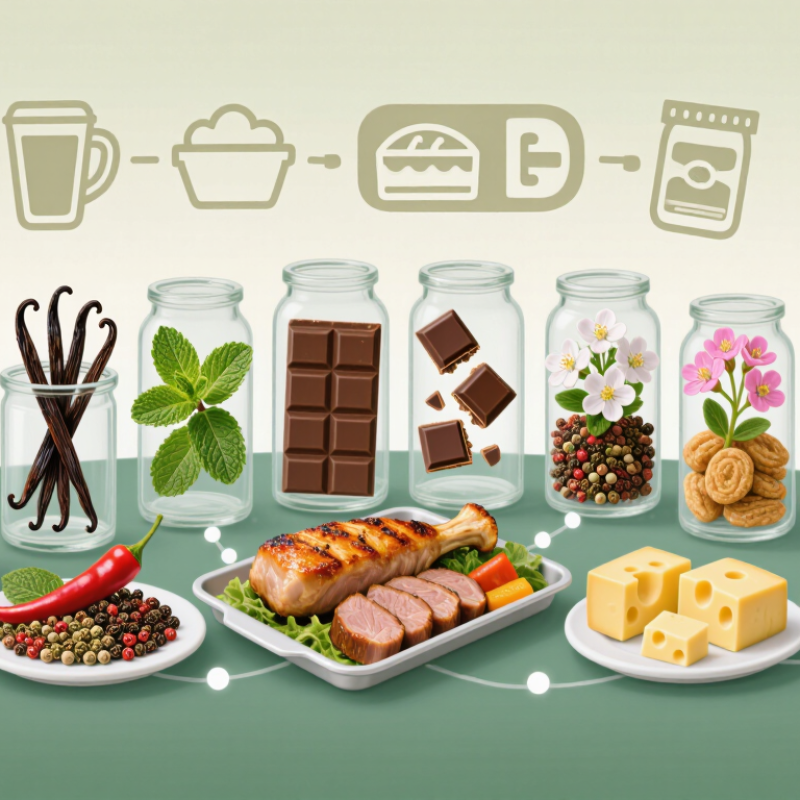
What Food Grade Flavors Are and Why Global Buyers Need Them
Food grade flavors are concentrated ingredients designed to give food a recognizable taste or aroma. They are not simply “strong-smelling additives.” Suppliers usually offer natural extracts, essential oils, oleoresins, nature-identical flavors, synthetic flavors, liquid flavors, emulsions, powders, encapsulated flavors, and reaction flavors. Each type behaves differently in heat, fat, water, and storage.
Global buyers need them because consumers expect consistent taste across regions and production batches. A mango drink should still taste like mango after shipping, dilution, and pasteurization. MarketsandMarkets estimated the global food flavors market at about USD 8.4 billion in 2024, with continued growth through 2029. Grand View Research also reported steady market expansion, supported by processed foods, beverages, and convenience products. These figures show demand, but they do not replace technical testing.
Practical purchasing requires more than choosing a popular flavor profile. Buyers should request specifications, allergen statements, stability data, origin details, and certificates from qualified suppliers. Codex standards and local food regulations may classify the same flavor differently. Check every destination market. A liquid flavor may perform well in syrup but fade in baked goods. A powder may solve transport problems but create uneven mixing. I have seen teams focus on aroma samples while overlooking dosage, packaging, and shelf life. That is an expensive mistake. Sensory trials, pilot production, and retained samples make the decision more reliable.
Top 10 Food Grade Flavor Types for Global Buyers? - What Food Grade Flavors Are and Why Global Buyers Need Them
Indicative ranking based on broad cross-category use and international purchasing relevance. The ranking is not a market-share claim. Flavor categories may overlap by source, format, and application.
| Rank | Flavor Type | Typical Sensory Profile | Common Food & Beverage Applications | Common Flavor Formats | Key Global Buyer Considerations |
|---|---|---|---|---|---|
| 1 | Vanilla | Sweet, creamy, warm, slightly woody | Bakery, dairy products, ice cream, confectionery, beverages and nutrition products | Liquid flavor, emulsion, powder, extract and paste | Check natural or artificial status, heat stability, color contribution, allergen declarations and permitted use levels |
| 2 | Citrus | Fresh, bright, acidic, juicy and zesty | Soft drinks, juices, confectionery, bakery, sauces, dairy products and supplements | Oil-soluble flavor, water-soluble flavor, emulsion, compound and powder | Evaluate oxidation resistance, cloud stability, pH compatibility, light sensitivity and beverage processing conditions |
| 3 | Berry & Small Fruit | Sweet-tart, juicy, fruity and sometimes floral | Yogurt, beverages, jams, confectionery, bakery, desserts and sports nutrition | Water-soluble liquid, emulsion, powder, spray-dried flavor and compound | Review color stability, acidity tolerance, interaction with sweeteners and performance after pasteurization or baking |
| 4 | Tropical Fruit | Exotic, sweet, tangy, juicy and aromatic | Juices, carbonated drinks, yogurt, frozen desserts, confectionery and ready-to-drink products | Emulsion, liquid flavor, powder, extract and flavor compound | Confirm compatibility with low-pH systems, heat treatment, sweetener blends and regional labeling requirements |
| 5 | Mint & Cooling Flavors | Cool, fresh, herbal and clean | Chewing gum, confectionery, oral-care foods, beverages, desserts and functional products | Oil-soluble flavor, emulsion, liquid flavor, powder and cooling system | Assess cooling intensity, volatility, food-grade carrier, sensory persistence and local restrictions on specific ingredients |
| 6 | Chocolate & Cocoa | Rich, roasted, creamy, bittersweet and indulgent | Bakery, ice cream, confectionery, milk drinks, cereal, desserts and protein products | Liquid flavor, emulsion, powder, extract and encapsulated flavor | Check heat stability, fat compatibility, cocoa interaction, color impact and allergen-control requirements |
| 7 | Coffee | Roasted, bitter, aromatic, nutty and full-bodied | Beverages, dairy products, bakery, desserts, confectionery and nutrition products | Liquid flavor, extract, emulsion, powder and encapsulated flavor | Consider caffeine declaration, roast profile, oxidation, solubility, sedimentation and stability in high-temperature processing |
| 8 | Caramel & Toffee | Sweet, buttery, toasted, creamy and slightly burnt-sugar-like | Bakery, dairy, confectionery, sauces, beverages, desserts and snack coatings | Liquid flavor, emulsion, powder and encapsulated flavor | Distinguish flavor from caramel coloring, and review heat stability, color contribution, sugar profile and allergen statements |
| 9 | Savory & Umami | Brothy, roasted, meaty, fermented and savory | Soups, sauces, instant noodles, snacks, plant-based foods, prepared meals and seasonings | Liquid flavor, paste, powder, reaction flavor and encapsulated flavor | Verify vegetarian or vegan suitability, allergen status, sodium contribution, carrier ingredients and halal or kosher requirements where applicable |
| 10 | Herb & Spice | Aromatic, warm, pungent, earthy or peppery | Seasonings, sauces, savory snacks, meat alternatives, bakery, beverages and ready meals | Essential oil, oleoresin, liquid flavor, powder and encapsulated flavor | Review oil or water solubility, volatile loss, microbial specifications, pesticide requirements and regional maximum-use limits |