
Skip to content

Top 10 Manganese Sulphate Suppliers for Global Buyers

Choosing a reliable Manganese Sulphate supplier requires more than comparing prices on a spreadsheet. Global buyers need consistent purity, stable production capacity, clear documentation, and dependable export support. This guide introduces ten suppliers that may deserve closer evaluation across agricultural, feed, water-treatment, and industrial applications.

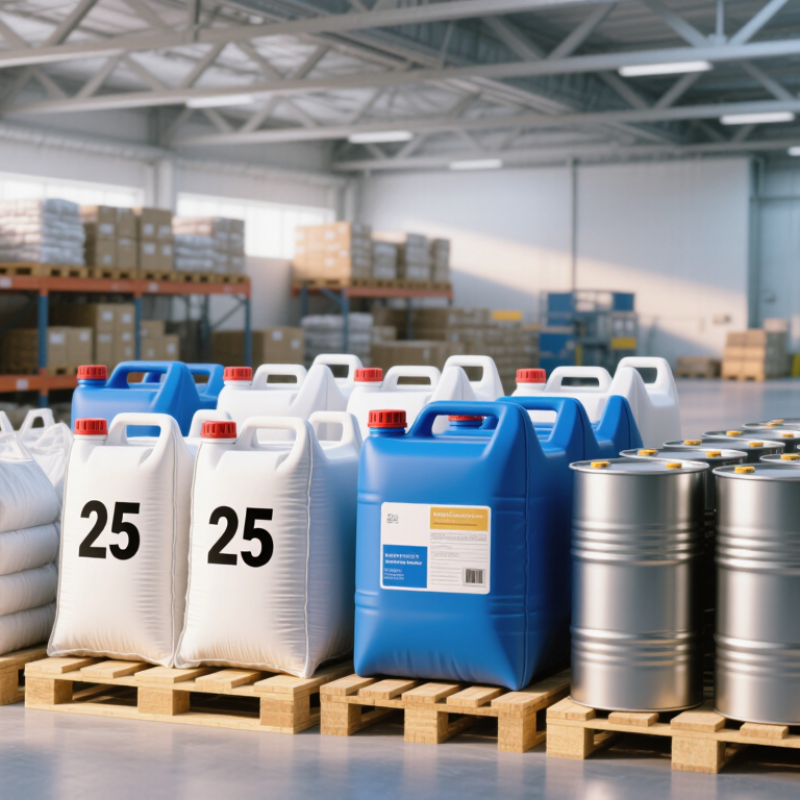
The selection considers product specifications, manufacturing experience, quality-control systems, packaging options, and international logistics. Certificates matter, but they should support real evidence. Buyers should request recent test reports, batch details, safety data sheets, and applicable compliance documents before placing an order. A supplier offering 25-kilogram bags may suit small trials, while palletized or bulk packaging may better serve continuous production.

A polished website proves little. Direct communication often reveals more. Ask about lead times, minimum order quantities, port arrangements, and procedures for handling nonconforming material. These practical details can affect total cost more than the quoted price. Supplier rankings can also change as capacity, regulations, and market conditions shift. No published list can replace an independent audit or a verified sample.

This overview is intended as a practical starting point, not a final purchasing decision. It helps buyers compare credible options with greater confidence. Careful verification remains essential.
Top 10 Manganese Sulphate Suppliers for Global Buyers

Manganese Sulphate: Definition, Uses, and Market Importance

Manganese sulphate is an inorganic salt commonly supplied as a pale, water-soluble crystal. Industrial buyers usually specify manganese content, moisture, particle size, and impurity limits. Battery-grade material demands tighter control than agricultural grades. Small differences matter.

Its uses span fertilizers, animal nutrition, water treatment, and lithium-ion battery cathodes. In fertilizers, it supplies manganese where alkaline or sandy soils restrict uptake. In battery production, manganese sulphate can serve as a precursor for manganese-rich cathode materials. The International Energy Agency’s Global Critical Minerals Outlook 2024 identifies manganese as an important mineral in evolving battery supply chains. Demand may grow, but chemistry choices could change the pace. That uncertainty deserves attention.

Market importance begins with reliable conversion from ore to consistent chemical quality. The USGS Mineral Commodity Summaries 2025 estimated global manganese ore production at roughly 20 million metric tons in 2024, showing the scale of the upstream market. However, ore volume does not guarantee suitable sulphate output. Refining capacity, energy costs, acid availability, and transport conditions all influence delivered pricing. Buyers should request recent certificates of analysis, trace-metal results, batch histories, and evidence of quality-system control. A supplier with low pricing may still create higher costs through rejected batches. It happens. Even published market forecasts can be imperfect, because battery formulations and regional regulations keep shifting.

Key Factors for Evaluating Global Manganese Sulphate Suppliers

Choosing a manganese sulphate supplier requires more than comparing quoted prices. Experienced buyers examine product grade, manganese content, moisture, and impurity levels. A reliable supplier should provide recent certificates of analysis for every production batch. Test results should identify heavy metals, chloride, iron, and particle size.

Traceability is equally important. Ask whether the supplier can connect each shipment to a production date, raw material source, and quality record. Inspect packaging details, such as moisture-resistant bags, pallet stability, and clear batch labels. Delivery performance also matters. Confirm lead times, port options, minimum order quantities, and procedures for handling damaged cargo. A polished website is not proof of capability. I have seen attractive promises fail when documentation arrived late.

Tips: Request a sample before signing a long-term contract. Compare the sample with the stated specification through an independent laboratory. Check whether the supplier follows applicable chemical, transport, and import requirements in your destination market. Clear communication is useful, but written evidence is stronger. Buyers should also review payment terms, complaint handling, and replacement policies. One weakness remains easy to overlook: some suppliers offer stable quality only at low volumes. Test commercial-scale shipments, not just a small sample.

Top 10 Manganese Sulphate Suppliers by Products and Capabilities

Top 10 Manganese Sulphate Suppliers for Global Buyers

The leading manganese sulphate suppliers differ mainly by products, quality control, and production flexibility. Some focus on battery-grade manganese sulphate monohydrate with low iron, copper, and heavy-metal levels. Others supply agricultural grades for soil treatment, foliar sprays, and animal nutrition. Industrial suppliers may offer standard-grade powder, crystal forms, or water-based solutions.

The strongest supplier profiles include producers with high-purity material, agricultural specialists, industrial-grade manufacturers, and solution suppliers. Several support customized particle sizes for blending equipment. Some maintain large-volume production for battery materials. Others serve smaller buyers with flexible packaging, from 25-kilogram bags to one-ton bulk sacks. Suppliers with purification lines can reduce unwanted sodium, chloride, and insoluble residues. This matters during formulation and final product testing.

Reliable suppliers provide certificates of analysis, batch traceability, safety data sheets, and consistent moisture results. Experienced exporters also understand container loading, pallet protection, and humidity control. A sealed inner liner can prevent caking during long ocean transport. However, no supplier is perfect. A polished specification sheet does not replace independent testing. Buyers should compare recent batch data, not only catalog values. Trial orders remain useful, especially when color, solubility, or particle flow affects production. Some evaluations may reveal delays or uneven batches. That is not always a failure, but it deserves a clear corrective plan.

Quality Standards, Certifications, and Supply Chain Considerations

Top 10 Manganese Sulphate Suppliers for Global Buyers

When evaluating manganese sulphate suppliers, buyers should verify more than a competitive quotation. A reliable supplier provides a current certificate of analysis for every batch. Key figures include manganese content, sulphate purity, moisture, insoluble matter, and trace metals. These values should match the agreed specification and intended application.

Look for documented quality systems, such as ISO 9001, supported by clear testing procedures. ISO 14001 can indicate stronger environmental controls, but certification alone proves little. Request safety data sheets, product specifications, allergen statements where relevant, and market-specific compliance documents. Independent laboratory testing is useful for new suppliers. It can reveal differences between a supplied sample and production material. That gap deserves attention.

Supply chain performance is equally practical. Ask about batch traceability, sealed packaging, storage conditions, loading inspections, and backup production capacity. Moisture-sensitive material may arrive with hardened lumps after poor container protection. A supplier should explain its port options, lead times, emergency response, and claims process. Buyers should also review records from recent shipments, not only promised procedures. Dual sourcing reduces disruption, although it may create specification differences between producers. Regular comparative testing helps control that risk. Small details matter. A handwritten pallet mark can delay receiving checks. Electronic records are better, but they still require careful human review. Supplier audits, retained samples, and agreed acceptance limits create stronger control across international deliveries.

How Global Buyers Can Select the Right Manganese Sulphate Supplier

Selecting among the top manganese sulphate suppliers requires more than comparing quoted prices. Global buyers should define the required grade, manganese content, moisture limit, particle size, and end use. Fertilizer, feed, and industrial applications may require different specifications. Ask for a current certificate of analysis from each supplier.

Check traceability carefully. The batch number should connect the product, test results, production date, and packaging records. An independent laboratory can verify manganese content and screen for unwanted impurities. Do not rely on a polished document alone. Small differences matter.

Packaging also reveals operational experience. Inspect whether bags resist moisture during a long ocean shipment. Confirm pallet standards, container loading methods, and storage guidance. Request samples from the same production line used for commercial orders. A successful sample is not enough. Compare two or three batches when possible.

Review the supplier’s quality system, factory controls, export documents, and response time. Reliable suppliers explain delays clearly and provide corrective actions when results miss specifications. Ask about production capacity during seasonal demand. A low price can still be expensive if deliveries arrive late or material fails inspection.

Use a written evaluation sheet. Score quality consistency, documentation, logistics, communication, and total landed cost. Keep records of every answer. No supplier is perfect. A careful buyer should still question assumptions before signing a long-term agreement.

How Global Buyers Can Select the Right Manganese Sulphate Supplier

Recommended evaluation weighting for comparing manganese sulphate suppliers

Product quality and consistency receive the highest weighting because manganese sulphate used in battery, fertilizer, and industrial applications must meet stable chemical specifications. Buyers should also assess compliance documentation, supply reliability, total landed cost, logistics capability, technical support, and sustainability before making a final supplier decision. The percentages represent a practical procurement evaluation framework and should be adjusted to match each application.

Back To Top