The global snacks market is evolving rapidly, influenced by trends and consumer preferences. According to Dr. Lucy Chen, a leading expert in the snack industry, “Understanding cultural flavors is key to succeeding in global snacks.” Her insights highlight the importance of recognizing regional tastes and preferences.
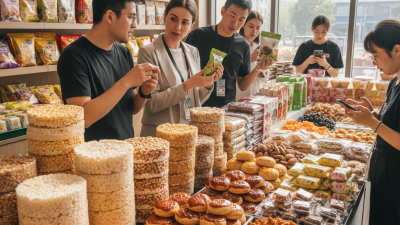
Many snack buyers may not realize the diversity within the global snacks sector. For instance, flavors that are popular in Asia might not appeal to Western consumers. This discrepancy can lead to missteps when brands launch products. Engaging with local markets can provide valuable insights into what consumers truly desire.
As buyers explore potential snacks, they must navigate complex cultural expectations. What works in one market may fail in another. Analyzing trends is essential, but also challenging. Buyers should remain flexible and open to feedback. After all, the global snacks landscape is vast and continuously changing.

The global snack market in China is experiencing remarkable growth. Chinese consumers are increasingly open to trying new flavors and formats. This trend is driven by urbanization and changing lifestyles. As more people live in cities, convenience becomes a priority. Packaged snacks are ideal for busy city dwellers.
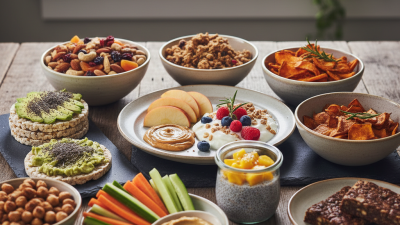
Health-conscious choices are also reshaping the market landscape. Many consumers are seeking snacks that fit into their wellness routines. Products such as organic nuts, dried fruits, and lower-calorie options are gaining popularity. There is a visible shift toward transparency in ingredients. Consumers actively seek out brands that provide clear information about sourcing and production.
However, navigating the Chinese market can be challenging. Preferences can vary significantly between regions. Brands must be adaptable and sensitive to local tastes. There is a strong desire for novelty, yet traditional flavors remain influential. Retailers often struggle to balance innovation with authenticity. This complexity requires a nuanced approach to succeed in China’s dynamic snack industry.
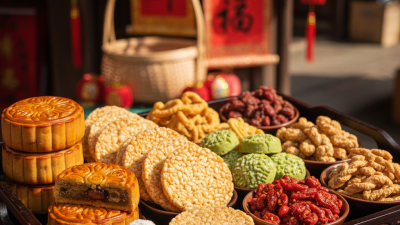
Chinese snacks have gained immense popularity among global consumers. There are several categories that stand out. Savory snacks like traditional puffed rice, spicy dried fish, and roasted nuts are crowd favorites. These snacks offer unique flavors and are often packed with umami.
Sweet snacks also feature prominently. Confections such as mochi and crispy sesame balls are becoming beloved treats in many countries. Their interesting textures and flavors intrigue consumers. Many people appreciate the nostalgic aspect of these sweets, linking them to experiences shared with family and friends.
Another category includes beverages that complement snacks. Tea-flavored drinks or fruit-infused waters add an extra layer of enjoyment. However, not all products appeal universally. Some flavors may be too intense or unfamiliar for certain tastes. Understanding these preferences can be challenging. The variety in Chinese snacks reflects a rich cultural tapestry, yet it invites continuous exploration and understanding.
Chinese snacks are becoming popular among international buyers. A report by Research and Markets notes that the global snack market is projected to grow by 4.95% annually. This highlights a shift towards healthier, innovative options. Many Chinese snacks cater to this trend with unique flavors and healthy ingredients.
One feature that appeals to buyers is the variety in textures. From crunchy rice crackers to chewy fruit-based snacks, there's something for everyone. This variety is especially notable in the growing segment of plant-based products. Furthermore, consumers are increasingly seeking snacks with minimal additives. The Clean Label Project found that 60% of consumers prioritize transparency in ingredients.
Moreover, the bold flavors in Chinese snacks offer an exciting alternative. Spicy, sweet, and umami flavors are popular among consumers looking for new experiences. However, it's important to note that not all flavors resonate with every market. Some may find them too intense. Understanding local preferences is crucial for success in this diverse landscape.
| Snack Type | Key Ingredients | Flavor Profile | Packaging Type | Target Market |
|---|---|---|---|---|
| Puffed Snacks | Rice, Corn, and Flavorings | Savory and Spicy | Bags or Resealable Pouches | Young Adults and Snack Lovers |
| Dried Fruits | Apricots, Mangoes, Lychee | Sweet and Tangy | Bags or Glass Jars | Health-Conscious Consumers |
| Noodle Snacks | Wheat Flour, Seasoning | Savory and Umami | Bags or Boxes | All Ages |
| Mooncakes | Flour, Sugar, Lotus Seed Paste | Sweet and Rich | Boxes with Decorative Outers | Festive Occasions |
| Seaweed Snacks | Dried Seaweed, Salt, Oil | Salty and Umami | Bags | Health-Conscious Consumers |
| Spicy Snacks | Chili, Nuts, Seeds | Spicy and Crunchy | Bags | Snack Enthusiasts |
| Crispy Chips | Potatoes, Seasoning | Variety of Flavors | Bags | All Ages |
| Biscuits | Flour, Sugar, Butter | Sweet and Creamy | Boxes or Packs | Families and Children |
| Nut Mixes | Almonds, Cashews, Spices | Nutty and Savory | Bags or Resealable Packs | Health-Conscious Consumers |
| Sugar Candies | Sugar, Starch, Flavorings | Sweet and Colorful | Bags or Jars | Children and Families |
The Chinese snack export market is booming. Various brands lead the way with unique offerings that appeal to global consumers. Rising demand for these snacks comes from their diverse flavors and innovative packaging. Companies must understand this landscape to make informed purchasing decisions.
Popular snack categories include dried fruits, nuts, and traditional sweets. Each category reflects regional tastes and culinary traditions. The vibrant variety often tempts new consumers, but challenges exist. Some products may not meet specific international standards. This can lead to regulatory hurdles for buyers.
As brands strive for market presence, consumers should remain vigilant. Quality can vary widely among products even within the same category. Investigating sourcing practices and ingredient transparency is essential. Understanding local preferences helps buyers make better choices about which snacks to promote globally.
Chinese snacks are gaining global attention, offering unique flavors and textures. However, importing these snacks involves navigating challenges. Understanding market demand is crucial. The preferences of consumers can vary widely. Researching these trends can help in selecting the right snacks.
Many importers overlook packaging compliance. The packaging must meet local regulations and standards. This can impact product acceptance. Failing to do so might lead to product returns or delayed shipments. Be aware of these requirements before placing orders.
Tips: Always consult with local authorities about import regulations. Engage with experienced importers who understand the nuances. Additionally, consider partnering with local distributors. They can provide insights into consumer preferences and market trends. This approach may smooth your entry into the market.