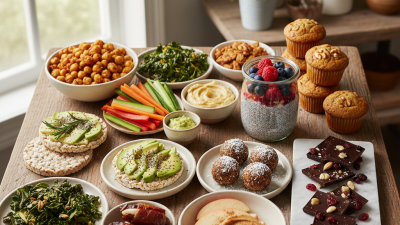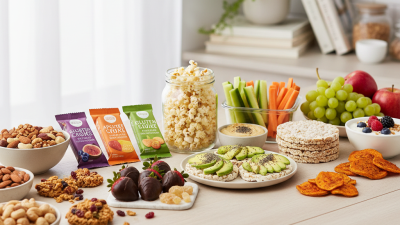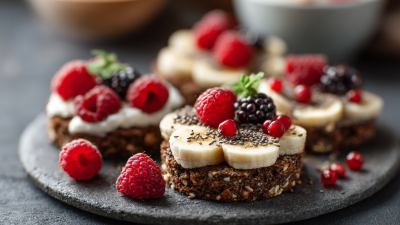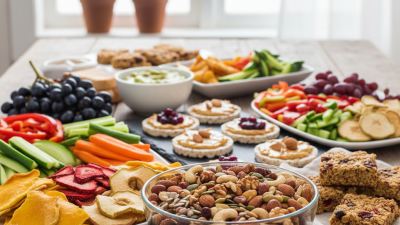
In today's health-conscious world, the demand for gluten free healthy snacks is rapidly growing. People are becoming increasingly aware of the benefits of gluten-free diets. Snacks that cater to this dietary need offer both health advantages and delicious flavors. This trend is not just a passing fad; it reflects a deeper understanding of nutritional needs.
Global buyers are eager to discover snacks that align with their lifestyles. Gluten free healthy snacks can provide an array of options from savory to sweet. Products made from nuts, seeds, and ancient grains are gaining traction. They offer energy and nutrients while avoiding gluten.
However, not all gluten free snacks meet health standards. Some may contain fillers or hidden sugars. Awareness is key for consumers. Reading labels helps ensure choices are truly healthy. Exploring the world of gluten free healthy snacks can lead to exciting finds and healthier habits. The journey toward mindful snacking begins with informed decisions.
The gluten-free diet has gained significant attention in recent years. Many people adopt this lifestyle for health reasons. Individuals with celiac disease must avoid gluten strictly. Even small amounts can cause severe reactions. This diet is not just a trend; it caters to real health needs.
More than just a restriction, gluten-free eating promotes a focus on whole foods. Fresh fruits, vegetables, and lean proteins become essential components. Many have found that they feel more energetic and less bloated when removing gluten. However, it’s crucial to avoid processed gluten-free foods. These often come with hidden sugars and unhealthy fats.
Education about gluten's effects on the body is vital. People often misunderstand what gluten intolerance means. Symptoms can be vague and varied, leading to delayed diagnoses. Misinterpretation can result in frustration and health issues. Thus, understanding gluten's role is necessary for making informed choices.
Gluten-free snacks are gaining popularity among consumers worldwide. This trend is driven by a growing awareness of dietary restrictions. According to a recent market research report, the global gluten-free snack market is expected to reach $7.59 billion by 2027, reflecting an increasing demand for healthier snack options.
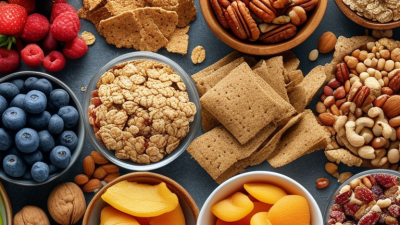
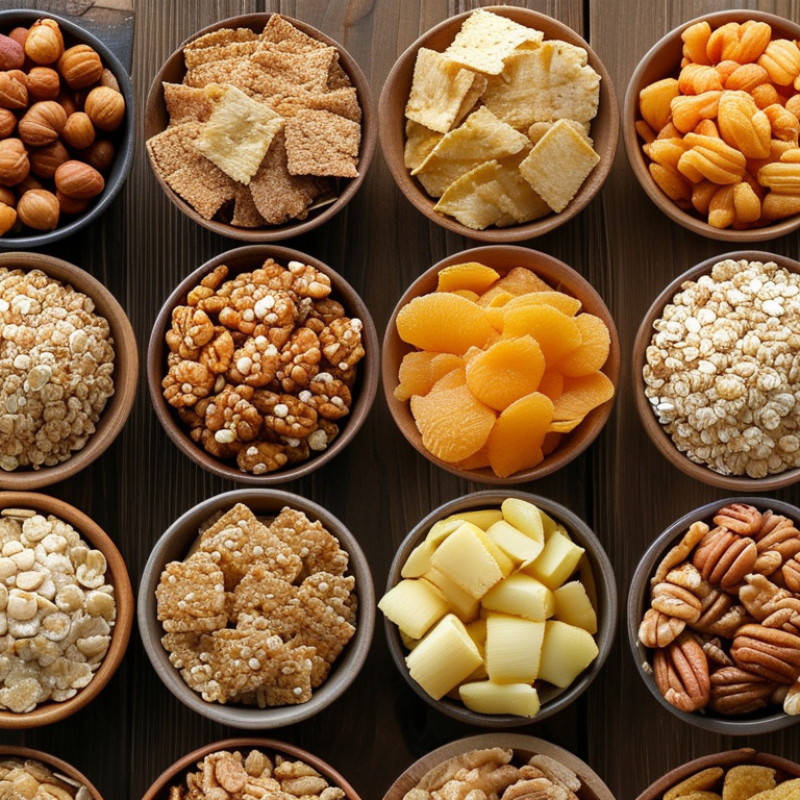
Common ingredients in gluten-free snacks include nuts, seeds, and gluten-free grains like quinoa and brown rice. These ingredients offer essential nutrients and healthy fats. For instance, almonds provide vitamin E and magnesium, while quinoa is a complete protein source. However, it's crucial to note that not all gluten-free snacks are healthy. Some may be high in sugar or unhealthy fats. Consumers should examine nutrition labels carefully.
Fruits and vegetables are also integral to many gluten-free snacks. They can enhance flavor and nutrition. Incorporating ingredients like dried cranberries or sweet potato chips can add variety. Still, some snacks might lack fiber, leading to unsatisfactory diets. Reflecting on ingredient choices and the overall nutritional profile is essential for making informed decisions.
When exploring gluten-free snacks from around the globe, diversity shines. For instance, in South America, you may enjoy empanadas made without wheat flour. These flavorful pockets often contain meat, cheese, or vegetables. They provide a satisfying bite while being inherently gluten-free.
In Asia, rice paper rolls are a fantastic option. Filled with fresh vegetables, shrimp, or chicken, they are light yet filling. You can dip them in homemade peanut sauce for added flavor. The combination of textures and tastes is delightful.
Africa offers biltong, a dried meat snack rich in protein. It is naturally gluten-free and comes in various flavors, catering to different palates. Each of these snacks reflects local culture and traditions. However, sourcing these items can be a challenge. Availability may vary based on your location. Be open-minded about exploring local markets or trying new recipes at home. This adventure in snacking could lead to unexpected discoveries.
Choosing gluten-free snacks can offer numerous health benefits. For those with celiac disease or gluten sensitivity, avoiding gluten is crucial. Consuming gluten-free options helps prevent harmful reactions. Furthermore, many gluten-free snacks are rich in nutrients.
Gluten-free snacks often use whole ingredients, like nuts and seeds. These can provide essential vitamins and minerals. For example, almonds are packed with vitamin E and magnesium. Snacking on these options can boost energy levels and improve overall mood.
However, it's important to be cautious. Not all gluten-free snacks are healthy. Some may contain high levels of sugar or unhealthy fats. Always check ingredient lists. Prioritizing whole foods is key to maximizing the benefits of gluten-free snacking. Keep exploring new options and reflect on your choices.
When searching for healthy gluten-free snacks, focus on ingredient lists. Look for items that contain whole foods like nuts, seeds, and fruits. These ingredients provide essential nutrients. Avoid products with long labels filled with additives and preservatives. Simplicity often signals healthiness.
Consider the nutritional value as well. Aim for snacks rich in protein and fiber. They not only boost energy but also promote satiety. Snacks high in sugar or refined carbs should be avoided. They cause blood sugar spikes. Remember that low-calorie options can still be unhealthy. Check the quality of calories, not just quantity.
Reading reviews can offer insights into product quality. Seek feedback from health-focused communities. They often share experiences about gluten-free snacks. Labels can be misleading, so don’t rely solely on certifications. Be cautious and make informed choices. Balancing taste and health is vital. Sometimes, you may find a snack that looks healthy but leaves you unsatisfied.