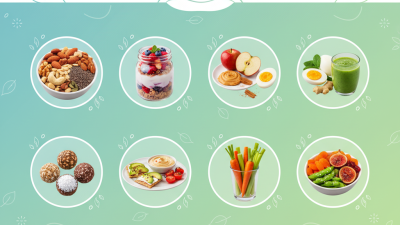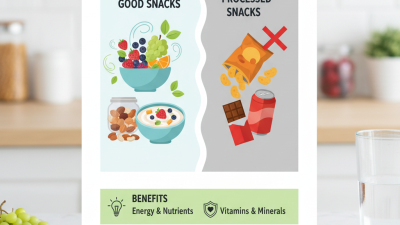
As consumers turn towards healthier choices, the demand for plant based snacks is surging. This shift reflects a broader trend towards sustainable eating. In 2026, buyers must adapt to these evolving preferences. Plant based snacks offer variety, taste, and health benefits. There are numerous options, including chips, bars, and meat alternatives. These products often use ingredients like nuts, seeds, and legumes.
Yet, not all plant based snacks are created equal. Some might lack essential nutrients or taste. Buyers should carefully evaluate labels to ensure quality. Brands also face challenges, such as maintaining flavor while being innovative. This dynamic landscape pushes companies to enhance their offerings. Each snack must align with consumer values, such as sustainability.
In the quest for the best plant based snacks, there’s much to explore. Companies need to understand what consumers truly want. Engaging in meaningful dialogues with customers can shed light on preferences. As the market grows, insights will be crucial for success. Trust and transparency will be key in this evolving sector.
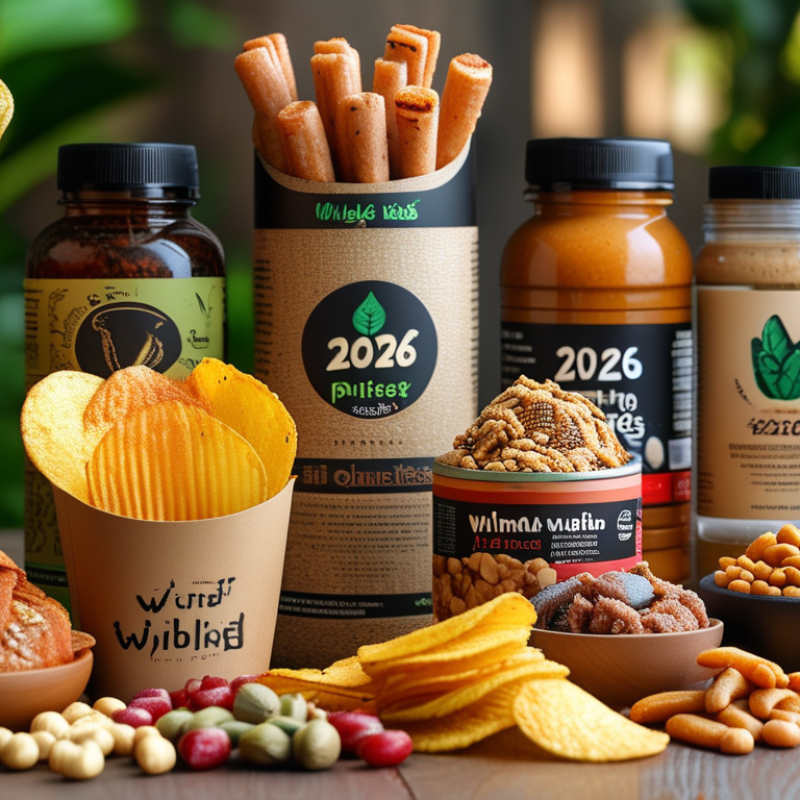
Emerging plant-based ingredients are transforming the snack market. Innovations in flavor and texture are driving this change. Pea protein, chickpea flour, and seaweed extracts are just a few examples gaining traction. These ingredients provide alternatives to traditional snacks, appealing to health-conscious consumers.
Consumers increasingly seek snacks that are not only tasty but also nutritious. For instance, snacks made from lentils offer a unique crunch. They are rich in protein and fiber, making them a smart choice. Meanwhile, snacks incorporating spices like turmeric add flavor and health benefits. The demand for clean labels is also growing. Shoppers want transparency about what's in their food.
This trend is not without challenges. Sourcing quality ingredients can be difficult. Many manufacturers are still experimenting with new formulations. Not every attempt to create a plant-based snack succeeds. Some products may lack expected flavors or textures. It takes time to perfect these offerings, but the journey is worth exploring. The future of snacking looks exciting, as innovation continues to reshape our options.
The plant-based snack market is rapidly evolving, driven by innovative flavor profiles. According to recent reports, over 80% of consumers are actively seeking healthier snack options. This shift emphasizes a strong desire for unique taste experiences while maintaining nutritional integrity. Flavor combinations like beetroot and feta or turmeric and ginger are gaining traction. These intriguing pairings not only attract adventurous eaters but also cater to health-conscious individuals.
Emerging trends highlight cultural influences in flavor development. For instance, Asian-inspired flavors, such as sriracha or miso, are prominent in new product launches. The Mintel Global New Products Database noted a 45% increase in snacks featuring Asian flavors from 2021 to 2023. This reflects a broader consumer interest in international cuisine. The focus on diverse flavor profiles enhances the appeal of plant-based snacks, offering varied options that resonate with a global audience.
However, brands must navigate challenges in meeting customer expectations. Not every innovative flavor is successful; some may overwhelm or confuse consumers. Industry experts suggest that achieving a balance between creativity and familiarity is crucial. While exploration is vital, understanding consumer preferences also shapes successful product development. The journey of plant-based snacks is just beginning, and successful brands will listen closely to their customers for future innovations.
The plant-based snack industry is experiencing a shift towards sustainable packaging solutions. As consumers become more environmentally conscious, brands are reevaluating their packaging materials. Biodegradable options are gaining traction, which can break down more easily than traditional plastics. Many companies are exploring materials made from plant fibers. This aligns with the growing demand for eco-friendly products.
Innovative packaging designs are emerging to enhance consumer experience. For example, resealable packs and portion-controlled sizes cater to on-the-go lifestyles. However, not all brands prioritize sustainability in packaging. Some still rely on single-use plastics, which can lead to consumer frustration. Transparency in packaging materials is essential for building consumer trust. Buyers are looking for clear labeling that indicates eco-friendly practices.
The challenge remains in creating packaging that is both sustainable and functional. Developing efficient manufacturing processes is crucial. Some brands are experimenting with minimalistic designs to reduce waste. Still, it's important to balance aesthetics with functionality. Continuous improvement is needed in this sector, as the path to sustainability is complex and requires ongoing reflection.
Consumer interest in plant-based snacks is surging. This shift is largely driven by the health benefits associated with these foods. People are increasingly aware of the link between diet and overall well-being. Many seek snacks that provide nutrition rather than empty calories. This trend is not just a fad; it's a change in how we view food.
Plant-based snacks often contain high levels of fiber, vitamins, and minerals. For example, nuts and seeds are excellent sources of healthy fats. They offer a quick energy boost without the crash associated with sugary snacks. However, it’s essential to consider portion sizes. Overindulgence, even in healthy foods, can lead to weight gain. Consumers must strike a balance.
Furthermore, there is growing awareness of the environmental impact of food choices. Plant-based options are typically more sustainable than meat-based counterparts. This consciousness is reshaping our snack aisles. Yet, not all plant-based snacks are created equal. Consumers should read labels carefully to avoid those high in sugar or sodium. It can be challenging to navigate this new landscape, but informed choices make a difference.
As the plant-based snack market continues to expand, understanding target consumer demographics is crucial. Younger consumers, particularly millennials and Gen Z, are driving this trend. They prioritize health, sustainability, and ethical sourcing in their food choices. Research shows that many are willing to pay more for snacks that align with their values. This generation is keenly aware of ingredient transparency, seeking snacks without artificial additives.
In contrast, older demographics may approach plant-based snacks with caution. They often look for convenience and flavor rather than health benefits alone. Traditional snack preferences can influence their choices. Brands targeting this group should consider flavor profiles and familiar textures. Engaging this audience may require educational marketing that highlights the benefits of plant-based diets.
Ultimately, the successful development of plant-based snacks hinges on understanding these diverse consumer needs. Brands must balance convenience, taste, and health to attract various demographics. Continuous consumer feedback is vital, as tastes and preferences evolve rapidly in this growing market. Balancing innovation with familiarity could be key in catering to both young and older consumers.