In recent years, snack foods in China have gained immense popularity, attracting global buyers' attention. According to Dr. Wei Zhang, a renowned expert in the snack foods industry, "Understanding local preferences is key to success in the Chinese snack market." This insight underlines the importance of appreciating the unique tastes that define Chinese snacking habits.
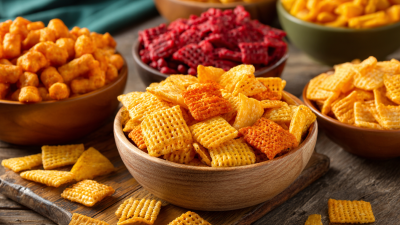
The landscape of snack foods in China is vibrant and diverse. From crispy rice snacks to sweet bean pastries, options abound. Each region boasts distinct flavors and textures, reflecting local culinary traditions. However, navigating this market can be challenging. Global buyers must consider the rapidly changing trends among consumers.
Moreover, the rise of health-conscious eating habits poses a significant shift in the snack foods sector. As consumers demand healthier options, traditional snacks are evolving. It is essential for buyers to continuously adapt and embrace these changes. Successful engagement in the Chinese snack market requires not only expertise but also a willingness to learn and innovate.
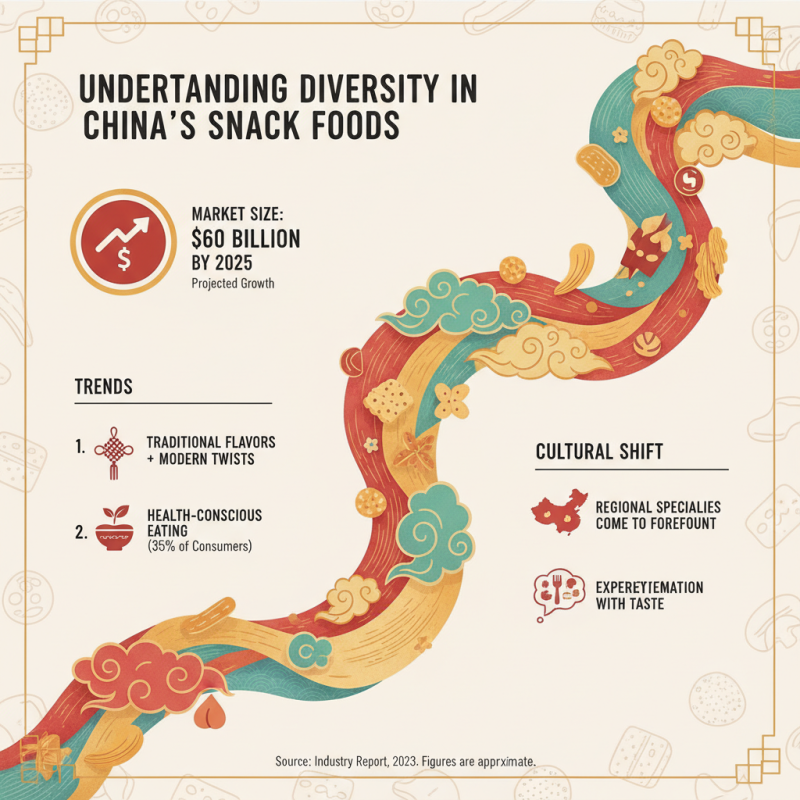
China's snack food market is a vibrant tapestry woven with diversity. According to a recent industry report, the market is projected to reach approximately $60 billion by 2025, highlighting a growing appetite for innovative snack options. Consumers are increasingly favoring snacks that blend traditional flavors with modern twists. This trend reflects a broader cultural shift towards experimenting with taste, as regional specialties come to the forefront. The rise of health-conscious eating is also evident, with nearly 35% of consumers seeking healthier snack alternatives.
The landscape is intricate. On one hand, snacks like spicy dried fruit cater to adventurous eaters. On the other hand, traditional options such as rice cakes maintain strong popularity. In urban areas, vending machines now offer a wide range of selections, from baked goods to exotic chips. This convenience caters to busy lifestyles, yet it raises questions about the quality and nutritional value of these options. With an estimated 30% of consumers paying more for premium snacks, balancing taste and health is crucial.
Furthermore, the impact of digital marketing cannot be ignored. The increased use of social media influences snack preferences significantly. Innovative packaging and bold branding appeal to younger audiences. However, amid the digital noise, it is essential for brands to maintain authenticity and address health concerns. This complex environment calls for a nuanced understanding, challenging global buyers to navigate both traditional roots and contemporary trends effectively.
China's snack food industry is booming. Recent statistics reveal that the market is growing at an impressive pace. In 2022, the snack food market reached over 600 billion RMB. This growth is expected to continue, with an annual increase of around 8% projected through 2025. Understanding these trends can help global buyers tap into this vibrant market.
The rise of health-conscious consumers is shaping the industry. Many prefer snacks that are nutritious and convenient. Traditional snacks are adapting too. They are being infused with healthier ingredients to meet consumer demand. For buyers, this trend highlights the importance of sourcing products that resonate with modern tastes.
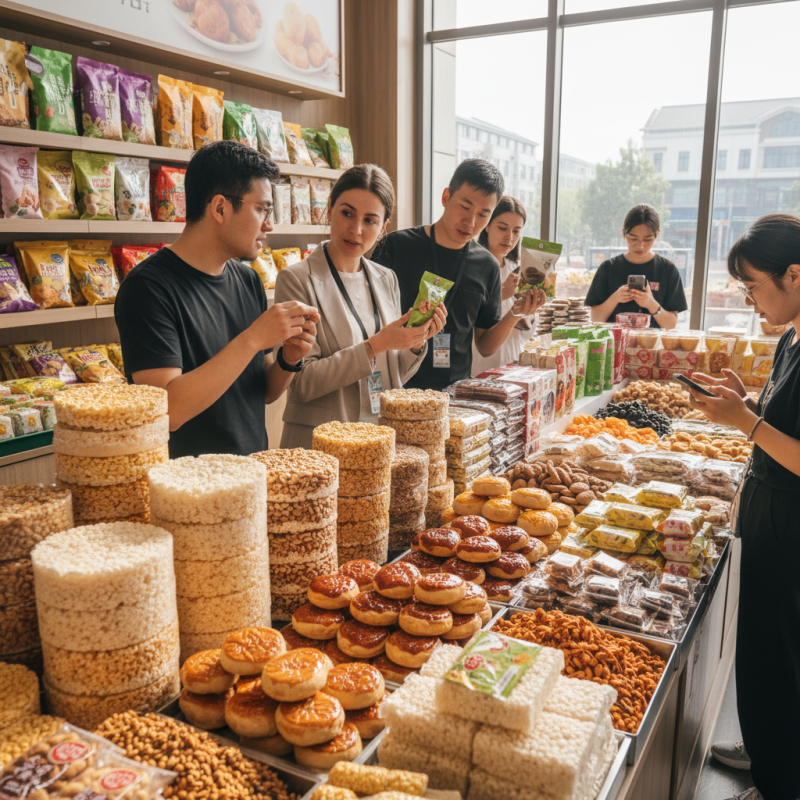
Tips for entering the market: Focus on local preferences. Conduct research on popular flavors and ingredients. Building relationships with suppliers can provide insights into emerging trends. Attend local food expos to see firsthand what captures consumers' attention. Engaging with local networks might reveal unexpected opportunities and challenges. This approach can offer deeper understandings and foster successful business ventures in China’s dynamic snack food landscape.
| Snack Category | Market Share (%) | Year-on-Year Growth (%) | Consumer Preference (%) |
|---|---|---|---|
| Potato Chips | 25 | 5 | 30 |
| Nuts and Seeds | 20 | 8 | 25 |
| Candy and Confectionery | 18 | 4 | 20 |
| Snack Cakes and Pastries | 15 | 6 | 15 |
| Dried Fruits | 12 | 10 | 10 |
| Rice Crackers | 10 | 7 | 18 |
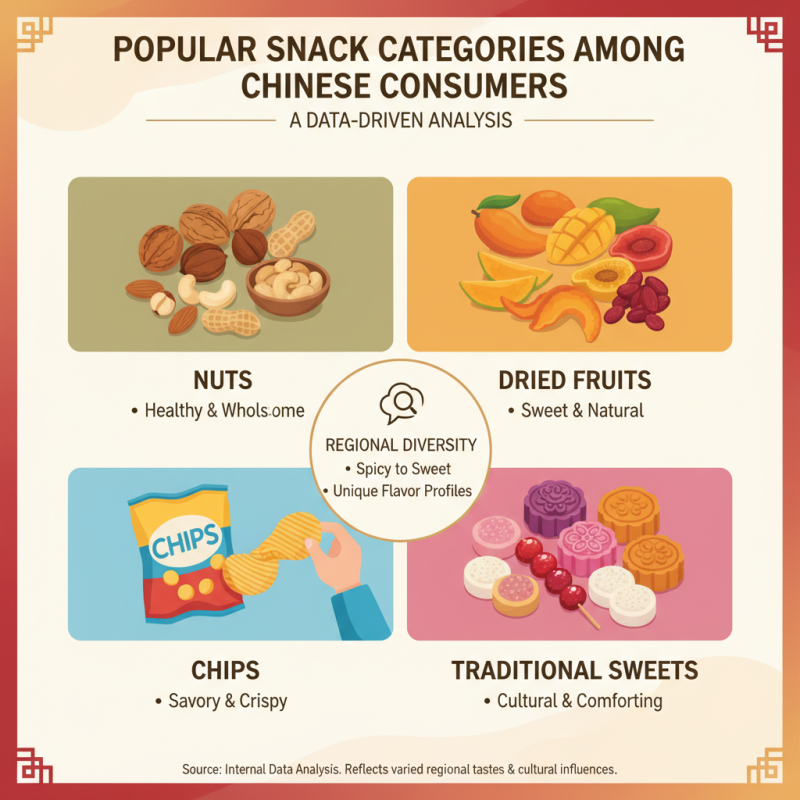
When exploring the snack preferences in China, data reveals intriguing insights. Chinese consumers enjoy a variety of snacks that reflect regional tastes and cultural influences. Popular categories include nuts, dried fruits, chips, and traditional sweets. Each region boasts unique flavor profiles, from spicy to sweet, showing the diversity across the country.
Engaging with local consumers requires a nuanced understanding of these preferences. Keep in mind that younger generations gravitate towards trendy snacks. They often favor convenience and unique flavors, while older generations might prefer traditional options. Balancing these interests can be challenging.
Tips: Conduct market research to identify trending flavors. Sampling various snacks can provide better insight into consumer preferences. Be open to feedback; adjusting your offerings based on local tastes is vital. Remember, what works in one region may not resonate in another, so flexibility is key.
China's snack food market is evolving rapidly. Consumers are increasingly seeking healthier options. A recent report by Euromonitor International indicates that 47% of Chinese consumers prioritize snacks that offer health benefits. This trend is reshaping how snack brands formulate their products.
Taste and convenience remain significant factors. Over 40% of consumers report choosing snacks based on flavor. However, there is a growing awareness of nutritional content. Many shoppers are scrutinizing labels more closely than before. The demand for plant-based ingredients is on the rise, reflecting a shift towards sustainable choices in snacks.
Chinese snack preferences also reflect a blend of traditional and innovative flavors. Reports suggest that fusion snacks are gaining traction. While many consumers appreciate classic tastes, they are open to novel combinations. This dynamic landscape creates opportunities for global buyers. Yet, understanding regional variations is crucial for success.
The snack food market in China presents a unique blend of challenges and opportunities for global buyers. Understanding cultural preferences is crucial. Many local snacks emphasize flavors and textures unfamiliar to Western consumers. For instance, spicy, sweet, and savory combinations are popular. Buyers must research consumer tastes to ensure appealing products.
Navigating regulatory hurdles can be complex. Import regulations vary significantly. Buyers often face challenges like tariffs and labeling requirements. Staying informed about the legal landscape is necessary. Building relationships with local distributors can ease market entry. They offer insights into regional trends and preferences.
However, it’s essential to reflect on the importance of adaptation. What works in one market might not succeed in another. Global buyers must remain flexible. Innovations in product offerings may be necessary to capture attention. Engaging with local communities can also yield valuable feedback. Understanding consumer behavior in China can transform challenges into opportunities for growth.