
Skip to content

How to Use Freeze Dried Fruits in Your Recipes?

Freeze Dried Fruits have gained popularity in recent years. They offer a unique way to incorporate flavor and nutrition into various recipes. As you explore creative uses for these fruits, you'll discover their versatility.

These fruits retain most of their nutrients and flavor after the drying process. This makes them perfect for snacks, toppings, or main ingredients. You can easily add them to smoothies, baked goods, or breakfast bowls. Their light and crispy texture provides a delightful contrast in many dishes.

However, using freeze dried fruits can be tricky. They can absorb moisture quickly, potentially affecting your recipe's overall texture. Experimenting with the right amount can make a significant difference. It’s essential to balance their sweetness with other ingredients. Embrace the learning process, and enjoy the journey of discovering the best ways to use freeze dried fruits.
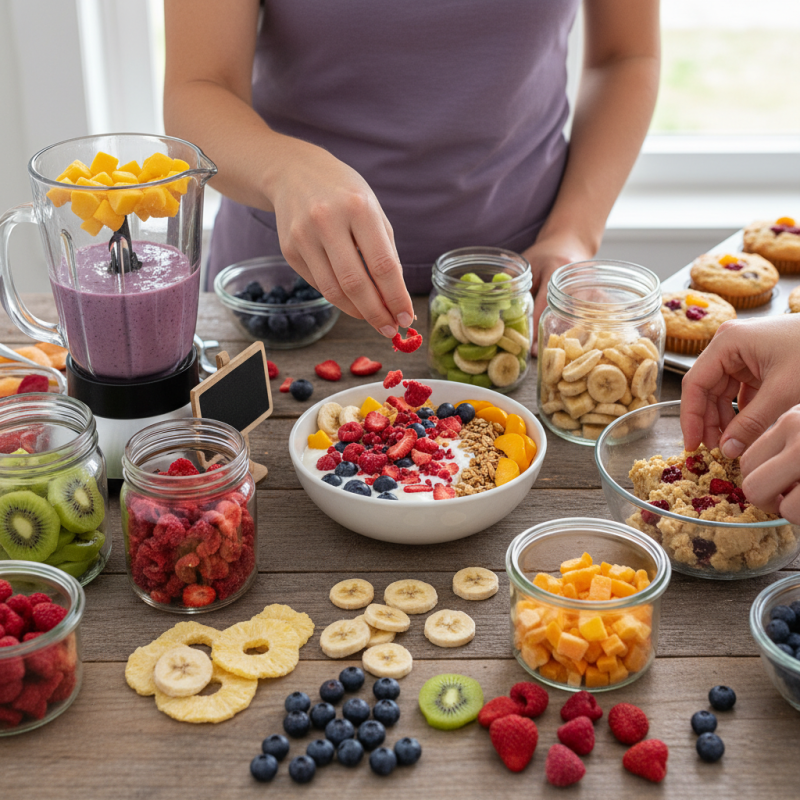
How to Use Freeze Dried Fruits in Your Recipes?

Understanding Freeze Dried Fruits: What They Are and Their Benefits

Freeze dried fruits are gaining popularity due to their unique properties. They maintain most of the nutritional content found in fresh fruits. According to the U.S. Department of Agriculture, freeze drying can preserve up to 95% of vitamins. This process removes moisture, which prevents spoilage. The result is lightweight, shelf-stable fruits that are easy to use.

Using freeze dried fruits in recipes is versatile. They can be added to smoothies, oatmeal, or baked goods. The texture changes when they are rehydrated, providing a chewy bite. A report from the Food and Agriculture Organization states that the global market for freeze dried fruits is projected to grow at a rate of 6% annually. This reflects a rising consumer interest in nutritious options.

However, there's a caveat. Some people find the taste slightly different from fresh fruits. Experimenting with different recipes can help. Adjusting hydration times or combining freeze dried fruits with other ingredients may improve flavors. One should not overlook the importance of the right pairing. Seeking the perfect balance in texture and taste requires patience and practice.

Best Types of Freeze Dried Fruits for Cooking and Baking

When it comes to cooking and baking, freeze dried fruits can really elevate your dishes. Strawberries are a classic choice. Their bright color and intense flavor add a vibrant touch to desserts. Try adding them to yogurt or pancake batter for a fruity kick. These little pieces burst with sweetness.

Bananas are another excellent option. Mash them into bread or muffins for moisture and natural sweetness. They blend easily into smoothies too. Just remember, a little goes a long way with these concentrated flavors.

Blueberries are versatile and easy to use. Toss them in granola, or sprinkle them on top of oatmeal. They add a delightful crunch. However, be careful not to overdo it. Too many can overwhelm the dish. Experiment with different combinations to find what works best for you. Enjoy the process, and don’t hesitate to make mistakes along the way.

How to Rehydrate Freeze Dried Fruits for Use in Recipes

Rehydrating freeze-dried fruits can elevate your recipes. Start by selecting your desired fruits. Common options include strawberries, blueberries, and apples. Ensure you have enough fruits to meet your recipe needs. Missing key ingredients can lead to disappointment.

To rehydrate, you need warm water. Soak the freeze-dried fruits in warm water for about 10 to 15 minutes. Check on them regularly. They should plump up nicely, becoming juicy and soft. But be careful! Over-soaking can make them mushy. Experiment with soaking times to find your perfect balance.

Once rehydrated, these fruits can be added to various dishes. Try them in smoothies, oatmeal, or baked goods. Note that the flavor might differ from fresh fruits. The sweetness could be more concentrated, which might not suit all recipes. Taste and adjust! Don't hesitate to reflect on what works best for your palate.

How to Use Freeze Dried Fruits in Your Recipes? - How to Rehydrate Freeze Dried Fruits for Use in Recipes

Fruit Type Common Uses Rehydration Method Tips
Strawberries Smoothies, Yogurts, Baked Goods Soak in warm water for 15-20 minutes or blend directly into smoothies. Add a little honey for sweetness when rehydrating.
Bananas Cereal Toppers, Pancakes, Muffins Soak in warm water for 10 minutes before use. Mash after rehydration for equivalent banana puree.
Apples Oatmeal, Salads, Desserts Soak in cold water for 15 minutes or mix into oatmeal. Add cinnamon for extra flavor.
Blueberries Muffins, Pancakes, Smoothies Soak in warm water for about 10 minutes. Use the soaking water in your batter for added flavor.
Peaches Cobbler, Smoothies, Ice Cream Soak in warm water for 15-20 minutes or use directly in smoothies. Pair with vanilla for enhanced flavor.

Creative Recipe Ideas Using Freeze Dried Fruits

Freeze-dried fruits are a great addition to many recipes. They add vibrant color and intense flavor without the hassle of fresh produce. You can easily mix them into smoothies, oatmeal, or yogurt for a nutritious boost. However, don’t forget to rehydrate them if you want a softer texture.

Consider adding freeze-dried strawberries to pancakes. Just sprinkle them into the batter for a fruity twist. You can also create a gourmet trail mix by combining them with nuts and seeds. The crunchy texture and sweet taste are delightful.

Tips: When using these fruits, keep the serving size in mind. Too much can overwhelm your dish. Store them in airtight containers to maintain their crispness. Experimenting is key. You might find unexpected pairings that delight your taste buds.

Storage Tips for Maintaining the Quality of Freeze Dried Fruits

Proper storage is key to enjoying freeze-dried fruits. These fruits can last for years when correctly stored. According to industry reports, freeze-dried options maintain up to 90% of their nutrients. However, exposure to moisture and air can diminish quality rapidly.

To ensure maximum longevity, store them in airtight containers. Glass jars work well. They prevent moisture absorption. Keep these containers in a cool, dark place, away from sunlight. Temperatures should ideally be below 70°F (21°C). This can help maintain their flavor and nutritional value for a longer period.

Watch out for any signs of moisture inside the container. If you see condensation, it’s time to check your storage methods. Ideally, use silica gel packets for additional moisture control. These small packets can absorb excess humidity effectively. It’s essential to regularly inspect your fruits. If you notice any changes in color or texture, reconsider their usability. Proper storage is essential, yet challenges often arise. Balancing convenience with quality requires mindfulness.

Back To Top