
Skip to content

How to Use Matcha Powder for Health Benefits?

Matcha Powder has gained remarkable popularity in recent years. Studies reveal that it contains high levels of antioxidants, particularly catechins. According to a 2021 report from the Journal of Nutrition, matcha's specific catechin, EGCG, is known to boost metabolism and support weight loss.

Many health enthusiasts are integrating Matcha Powder into their diets. In fact, a survey by the International Journal of Food Sciences reported a 30% increase in consumers choosing matcha over traditional green tea. This shift reflects a growing awareness of matcha's potential health benefits.

Despite its advantages, some users may face challenges. The taste can be quite strong for newcomers. Furthermore, some individuals may experience mild side effects, like headaches or jitters, due to matcha's caffeine content. Thus, while Matcha Powder offers health benefits, consumers should approach with care and attention.
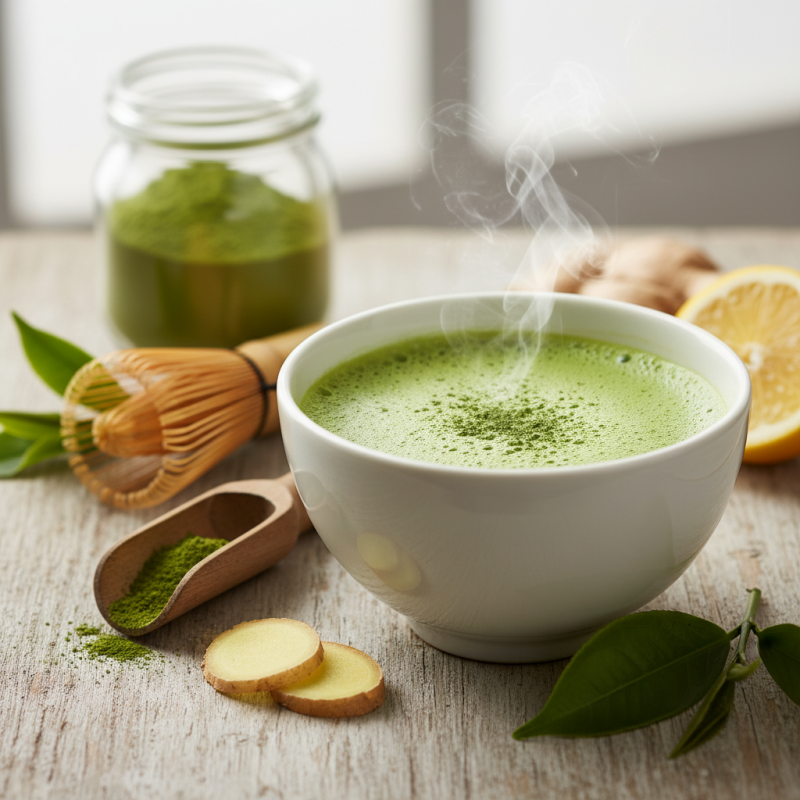
How to Use Matcha Powder for Health Benefits?

Understanding Matcha Powder: Origins and Nutritional Profile

Matcha powder has a rich history that dates back to ancient China and Japan. It is made from finely ground green tea leaves. These leaves are shade-grown for several weeks, enhancing their flavor and nutritional density. According to a report by the Tea Association of the USA, the consumption of matcha has grown by over 40% in recent years, highlighting its rising popularity among health enthusiasts.

Nutritionally, matcha is packed with antioxidants. One cup can contain up to 137 times more antioxidants than brewed green tea. This is primarily due to its unique preparation process. Research indicates that matcha can boost metabolism and promote fat burning. However, it's essential to consume it in moderation. Some reports suggest excessive intake may lead to caffeine-related side effects, such as jitteriness or insomnia.

While matcha promotes health benefits, not everyone reacts positively. Individual responses can vary significantly. Some may experience digestive issues or headaches. Ensuring you purchase high-quality matcha is crucial. And yet, many struggle to distinguish between premium and lower-grade options in the market. This ambiguity can lead to unsatisfactory experiences. Understanding these factors is vital for anyone seeking optimal health benefits from matcha.

Health Benefits of Matcha: Antioxidants and Wellness Effects

Matcha powder, a finely ground green tea, is packed with health benefits. One of its standout features is its high antioxidant content. According to research published in the Journal of Chromatography, matcha contains catechins, especially epigallocatechin gallate (EGCG). This compound can help combat oxidative stress in the body. Regular consumption may support overall wellness and longevity.

Consuming matcha might elevate metabolism and aid in weight management. A study from the American Journal of Clinical Nutrition found that green tea extract slightly increased metabolic rates. While this is promising, not everyone may experience significant weight loss. Factors such as genetics play a role. The energy boost from matcha is more than just caffeine; it's a combination of L-theanine and catechins. This blend promotes focus and calmness but varies by individual absorption.

Incorporating matcha into your daily routine can improve mood and enhance cognitive function. However, excessive consumption might lead to jitters or digestive discomfort. Listening to your body is crucial. Experiment with different quantities to find the right balance. This way, you can harness matcha's benefits while being mindful of your limits.

Health Benefits of Matcha Powder

Health Benefit Description Top Compounds
Antioxidant Properties Matcha is rich in catechins, particularly EGCG, which help combat oxidative stress. EGCG, Polyphenols
Boosts Metabolism Consuming matcha can increase metabolic rate and fat burning, especially during exercise. Caffeine, EGCG
Enhances Mood & Focus L-theanine in matcha promotes relaxation and improves concentration without the jitters. L-theanine, Caffeine
Supports Immune System The antioxidants in matcha may help strengthen the immune response and fight off infections. Catechins, Vitamins
Promotes Heart Health Regular matcha consumption is linked to lower cholesterol levels and improved heart function. Antioxidants, Flavonoids

How to Incorporate Matcha into Your Daily Diet

Incorporating matcha powder into your daily diet can be both enjoyable and beneficial. Start your morning by adding a teaspoon of matcha to your smoothie. Blend it with spinach, banana, and almond milk for a nutritious kick. The earthy flavor of matcha enhances the sweetness of fruits. This not only fuels your day but also provides antioxidants.

Consider using matcha in your baking. Mix it into your favorite muffin or pancake batter. The vibrant green color adds an appealing touch. You might find the taste a bit strong at first. Adjust the amount until it suits your palate. For a quick snack, try mixing matcha with yogurt. Top it with fresh fruit and nuts. This creates a nutritious treat that's both satisfying and visually appealing.

Don’t forget matcha tea during the afternoon. It offers a gentler energy boost than coffee. Preparing it can be a ritual, too. Whisking the powder into hot water can be relaxing. However, be mindful not to overdo it. Too much matcha can lead to jitters. Finding the right balance for your body is key.

Brewing Methods for Perfect Matcha: Tips and Techniques

Brewing matcha powder can be an art form, not just a routine. The quality of your matcha can greatly affect the taste and benefits. Start by sifting the matcha into a bowl to remove clumps. This simple step can make a big difference in texture. The water temperature matters, too. Aim for about 175°F; boiling water can ruin the delicate flavors.

When whisking, use a bamboo whisk. This tool creates a frothy texture. It may take practice to get the right technique. A gentle wrist motion helps. If it feels awkward, don't worry. It will improve over time. Experiment with the amount of matcha you use, too. Some like it strong; others prefer a milder taste.

Consider trying cold brewing methods as well. Mix matcha with cold water, and let it sit for a while. You’ll find a different flavor profile that some may enjoy. Store your matcha properly to maintain its vibrant color and freshness. Missteps can occur, but that's part of the fun. Each cup is a chance to learn and adapt.

Health Benefits of Matcha Powder

This chart illustrates the various health benefits of matcha powder based on an index ranging from 0 to 100. Each bar represents a specific benefit, showcasing how matcha contributes to overall wellness.

Potential Side Effects and Considerations for Matcha Consumption

Matcha powder offers numerous health benefits, but it's essential to consider its potential side effects. Research indicates that excessive consumption can lead to caffeine-related issues. One study found that high caffeine intake may result in insomnia and increased heart rate. A single serving of matcha contains about 70 mg of caffeine, more than regular green tea. Moderation is key.

Some individuals may experience digestive discomfort. This can occur due to sensitivity to the tannins in matcha. Reports suggest that up to 10% of matcha users experience mild stomach issues. It's important to listen to your body. Start with small amounts and monitor any adverse reactions. Staying aware of how matcha affects you can enhance your enjoyment of this superfood.

Another area for reflection is the heavy metal content in some matcha products. According to a study from the Journal of Agricultural and Food Chemistry, certain brands may have higher levels of lead or cadmium. Fortunately, many reputable suppliers test their products. Choosing quality is crucial. Investing time in sourcing quality matcha can help minimize health risks.

Article Source:

Back To Top