2026 Best Healthy Snack Brands for Global Buyers?
Choosing the right healthy snack brands in 2026 requires more than attractive packaging or popular social media reviews. Global buyers need dependable products, clear ingredients, and evidence behind every health claim. This guide introduces brands that may fit retail, hospitality, workplace, and online distribution channels across different markets.
The evaluation considers whole-food ingredients, balanced nutrition, allergen disclosure, shelf stability, and responsible sourcing. It also examines certifications, factory controls, packaging materials, and traceability where reliable information is available. A simple comparison matters. Can a buyer verify the sugar content, serving size, origin, and expiration date before placing a large order?
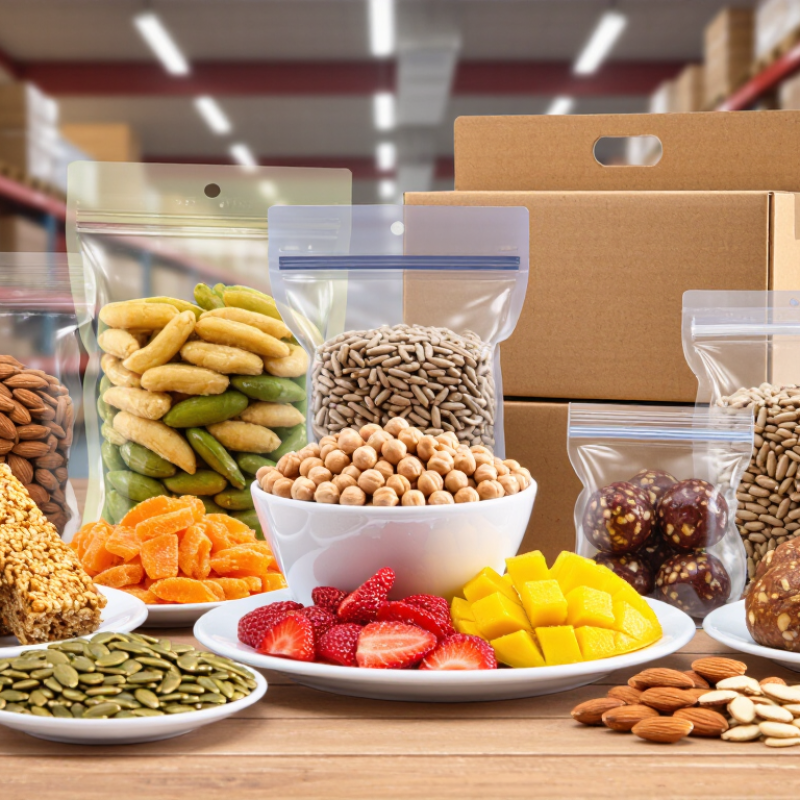
Taste and local suitability remain equally important. A low-sugar oat bar may perform well in one market but feel too dry elsewhere. Roasted chickpeas, fruit snacks, seed mixes, and protein bites may suit different eating habits. Buyers should test samples with real customers, not rely only on supplier brochures. Small details matter, such as resealable bags, carton strength, and readable labels under warehouse lighting.
No global list can be perfectly objective. Regulations, consumer preferences, and ingredient availability change by country. Some brand information may also become outdated before publication. Therefore, this overview treats trust as an ongoing process, not a permanent badge. Strong candidates should welcome documentation, independent testing, and practical questions. Healthy does not mean flawless. Even the best product may require reformulation, better packaging, or clearer communication.
Market Baseline: $95.1B in 2024; 6.2% CAGR to 2030 (GVR)
The global healthy snack market starts from a substantial baseline: $95.1 billion in 2024. Grand View Research projects a 6.2% CAGR through 2030. For global buyers, this signals demand, not automatic product success. Shoppers still compare sugar, sodium, fiber, protein, and ingredient length. Texture matters too. A dry bar may survive shipping, yet disappoint in a humid retail aisle.
Strong suppliers show more than attractive packaging. They provide recent laboratory reports, allergen controls, traceable batches, and clear shelf-life evidence. I would request samples from multiple production lots, then test them after realistic storage. Products containing nuts, seeds, grains, fruit, or legumes need careful moisture and contamination controls. Packaging should resist crushing, heat, and repeated handling. Regional labeling rules also deserve review before purchase. A compliant formula in one market may require different nutrition panels elsewhere.
Buyers should match formats with local routines. Single-serve packs suit office drawers, while larger resealable pouches fit family shopping. Lower-sugar recipes may appeal broadly, but taste preferences remain regional. The market forecast is useful, but it is not a guarantee. Economic pressure can shift shoppers toward simpler, cheaper snacks. I would also question claims such as “natural” unless suppliers define them with evidence. That extra skepticism can slow selection. It can prevent costly returns.
Buyer Demand: 73% Snack Twice Daily in IFIC’s 2024 Survey
Global buyers are watching healthy snacks more closely in 2026. IFIC’s 2024 Food & Health Survey reports that 73% of Americans snack at least twice daily. That frequency changes the buying brief. Consumers need convenient foods that support repeated, everyday choices.
According to Innova Market Insights’ 2024 trends report, consumers increasingly connect food with energy, gut health, protein, and natural ingredients. Euromonitor International’s 2024 health and wellness analysis also highlights demand for products with clear nutritional value. Buyers should examine protein content, fiber, added sugar, sodium, allergens, and serving size. A small pouch should show useful information clearly. Vague wellness language is not enough.
Shelf stability matters for international distribution. So do recyclable materials and transparent origin data. Products with nuts, seeds, dried fruit, legumes, or whole grains may fit different regional preferences. However, “healthy” is not universal. Some shoppers prioritize low sugar, while others seek satiety or familiar flavors. That gap needs attention. Survey data reflects reported behavior, not every real purchase. Regional nutrition rules also differ, so buyers should verify claims before import. A strong supplier should provide laboratory testing, traceability records, ingredient specifications, and updated compliance documents. Simple details build trust.
2026 Best Healthy Snack Brands for Global Buyers? - Buyer Demand: 73% Snack Twice Daily in IFIC’s 2024 Survey
Global Healthy Snack Buyer Screening Data
| Buyer Dimension |
Verified Data Point |
Practical Screening Use |
Reference |
| Snacking frequency |
73% of surveyed consumers reported snacking at least twice daily. |
Prioritize convenient, portion-conscious formats suitable for repeated daily use. |
International Food Information Council, 2024 Food & Health Survey |
| Fruit and vegetable positioning |
WHO and FAO recommend at least 400 g of fruit and vegetables per day for people over five. |
Favor snacks that visibly contribute fruit, vegetable, or legume ingredients without implying that one serving meets the full daily target. |
World Health Organization and FAO, joint dietary guidance |
| Dietary fiber |
The U.S. FDA Daily Value for dietary fiber is 28 g per day, based on a 2,000-calorie diet. |
Compare fiber per serving and favor products with meaningful fiber contribution from whole-food ingredients. |
U.S. Food and Drug Administration, Nutrition Facts labeling |
| Added sugar |
The U.S. FDA Daily Value for added sugars is 50 g per day, based on a 2,000-calorie diet. |
Screen sweet snack concepts for lower added-sugar levels and clear ingredient-list transparency. |
U.S. Food and Drug Administration, Nutrition Facts labeling |
| Sodium |
The U.S. FDA Daily Value for sodium is less than 2,300 mg per day for adults and children aged four and older. |
Compare savory snack formulas on a per-serving and per-100-g basis before import approval. |
U.S. Food and Drug Administration, Nutrition Facts labeling |
| Protein contribution |
The U.S. FDA Daily Value for protein is 50 g per day, based on a 2,000-calorie diet. |
Use protein content as one comparison factor for satiety-oriented snacks, not as a stand-alone health claim. |
U.S. Food and Drug Administration, Nutrition Facts labeling |
| Whole-grain content |
U.S. dietary guidance recommends making at least half of grain intake whole grains. |
Check whether whole grains are clearly identified and appear early in the ingredient list where applicable. |
U.S. Dietary Guidelines for Americans, 2020–2025 |
| Allergen and market compliance |
The U.S. Food Allergy Safety, Treatment, Education, and Research Act recognizes nine major food allergens, including sesame. |
Require destination-market allergen declarations, cross-contact controls, and translated labeling before shipment. |
U.S. Food and Drug Administration, FASTER Act and food-allergen labeling guidance |
Note: Nutrition reference values are jurisdiction-specific benchmarks. Importers should verify the final label, claims, serving size, and regulatory requirements in each destination market.
Global Comparison: Regional Growth, Certifications, Prices, and Export Readiness
2026 Best Healthy Snack Brands for Global Buyers?
Global healthy snack demand is growing unevenly. Asia-Pacific shows strong interest in fruit-based snacks, nut mixes, and reduced-sugar products. European buyers often prioritize organic certification, recyclable packaging, and transparent ingredient lists. Gulf markets value halal compliance, heat-stable packaging, and longer shelf life. These differences affect product selection more than online popularity.
Certification needs careful checking. HACCP and ISO 22000 indicate structured food-safety systems, while BRCGS may support retail entry. Organic, gluten-free, vegan, and non-GMO claims require separate evidence in many markets. A certificate alone is not enough. Buyers should verify scope, expiry dates, audit locations, and product coverage. I have found that small documentation gaps can delay otherwise good shipments.
Price comparisons should use the same weight and trade term. Export offers for premium snacks may range from about $1.20 to $3.80 per 100-gram unit before duties, depending on ingredients, packaging, and order volume. Lower prices can hide shorter shelf life or higher minimum order quantities. Export readiness also includes multilingual labels, nutrition panels, allergen declarations, carton strength, pallet standards, and reliable lead times. Request samples from warm and humid conditions. Some products perform well in a warehouse but soften during ocean transport. No comparison is perfect; freight changes, regional rules, and currency movements can quickly alter the final landed cost.
2026 Healthy Snack Export Market Benchmark
Regional comparison for global buyers: projected category growth, relative retail pricing, and export-readiness indicators. No company or brand data is included.
Market growth figures are rounded benchmark estimates for 2025–2030 healthy-snack category expansion based on public industry outlooks.
Price Index uses the global category average as 100. Export Readiness Score is a comparative 0–100 indicator combining logistics performance,
food-import infrastructure, certification acceptance, and regulatory complexity. Sources: public 2023–2025 market outlooks, World Bank Logistics Performance Index,
ITC Trade Map, and Codex-aligned food-export requirements.