10 Best Snack Pellet Suppliers for Global Buyers
Choosing a snack pellet supplier is more than comparing prices or browsing attractive product photos. Global buyers need to assess product consistency, ingredient transparency, production capacity, and communication before making a commitment. Snack pellets can vary in shape, density, expansion, and cooking performance, so a sample should be tested under realistic processing conditions. This guide introduces ten suppliers for consideration and offers practical points for comparing their capabilities. Small details matter. A clear specification sheet, for example, can help buyers discuss pellet size, moisture, packaging, and expected lead times. Yet one sample cannot guarantee every future shipment will behave the same way.
The suppliers featured here should be evaluated against each buyer’s needs, rather than treated as a universal ranking. Look for documented quality controls, relevant certifications, and traceable product information, then verify important claims directly with the supplier. Ask how specifications are maintained between production runs and what support is available if a shipment differs from the agreed standard. Clear answers help. Still, supplier websites and sales materials may not show the full picture, and some comparisons depend on individual equipment or recipes. That limitation is worth acknowledging. A careful shortlist, followed by sample trials and direct questions, can make sourcing decisions more informed. Expect differences, and record them.
Understanding Snack Pellets and Their Role in the Global Market
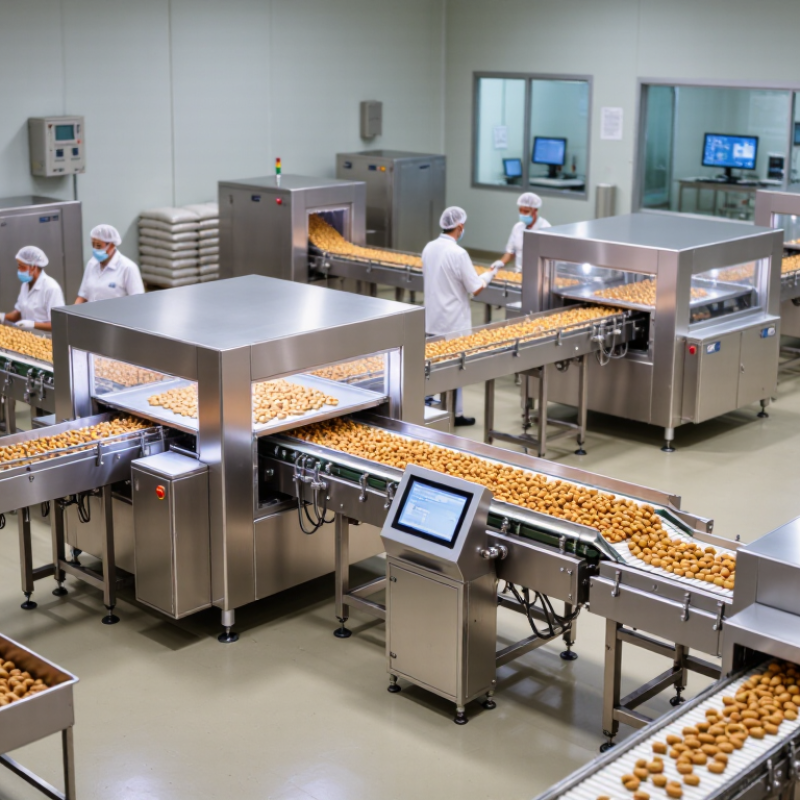
Snack pellets are semi-finished bases used to make crisp snacks. They are typically produced from ingredients such as grains, starches, or pulses, then shaped and dried. At the factory or food-service site, heat expands the pellets into a light, crunchy product. Some expand in hot oil; others suit hot-air processing. The final texture depends on the pellet’s formulation, shape, and cooking conditions.
For global buyers, pellets offer flexibility. A single base can become curls, rings, sheets, or other shapes, while seasonings and processing choices create different finished snacks. This can help manufacturers respond to local preferences without shipping bulky, ready-to-eat products. But flexibility has limits. Pellets that expand unevenly can produce hard pieces beside airy ones. Moisture control, consistent dimensions, and clear cooking guidance matter in real production, not just on a specification sheet.
Transport and storage also shape buying decisions. Dry pellets are generally compact, but damaged packaging or humid warehouses can affect their performance. Buyers should request samples and test them using their own equipment, recording expansion, color, texture, and breakage. Small trials reveal more than a polished catalogue. Supplier claims still need verification; even a promising sample may behave differently across production batches. That detail is easy to overlook.
Understanding Snack Pellets: From Ingredients to Finished Snack
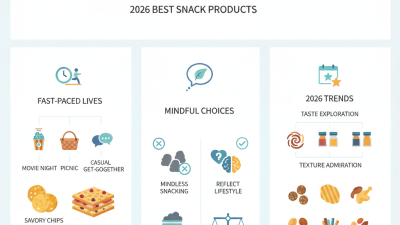
A typical production sequence shows how intermediate pellet products become ready-to-eat snacks. The chart maps process order, not market share or production volume.
Criteria for Evaluating Snack Pellet Suppliers
A reliable snack pellet supplier should prove consistency beyond a polished sample. Compare pellet dimensions, moisture, bulk density, and expansion after frying across several production lots. Request certificates of analysis, batch traceability, and clear tolerances for color and breakage. FAO’s 2023 State of Food and Agriculture estimated that 13.2% of food was lost between harvest and retail in 2021. That figure covers food broadly, not snack pellets, but it highlights why storage and transport controls deserve scrutiny. Ask how suppliers protect pellets from moisture and crushing during loading and transit. Small details matter.
Capacity and paperwork matter too. The World Bank’s 2023 Logistics Performance Index assessed 139 economies, including tracking, logistics competence, and delivery timeliness. Use those areas to frame questions about shipment visibility, realistic lead times, and backup plans for delays. Verify food-safety procedures, allergen controls, and audit records; do not rely on a certificate alone. We have sometimes overvalued a strong sample: it cannot show whether the next container will behave the same way. Request trial quantities, then test them on your own line and record frying expansion, breakage, and finished texture. A scorecard helps, but it can still miss practical issues—especially when products meet specifications yet perform differently on different equipment.
Profiles of 10 Snack Pellet Suppliers for Global Buyers
Global buyers can assess ten snack pellet supplier profiles by matching capabilities to their product and shipping needs. One specializes in potato-based pellets; another handles corn and rice blends. A third offers lentil-based formulas, while a fourth focuses on customized shapes and thicknesses. A fifth supports small pilot batches. A sixth supplies high-volume lines. A seventh emphasizes seasoning-ready surfaces, and an eighth provides technical help with frying trials. A ninth offers export documentation support. The tenth combines several capabilities, but buyers should verify each claim with samples and production records.
Market context matters. Allied Market Research estimated the global snack food market at about USD 427 billion in 2022, with a projected value of USD 700.6 billion by 2032. This broad category is not a pellet-market estimate, but it signals why dependable ingredient sourcing matters. Shortlist suppliers by asking for moisture specifications, cooking behavior, breakage rates, and batch-to-batch consistency. Then test pellets in the equipment and oil conditions used at the destination plant. Small details show up fast.
A polished sample is not proof of stable supply. Request recent quality documents, realistic lead times, and references for comparable shipments. Check how suppliers handle rejected lots and production changes. Trade data and market forecasts can guide planning, yet they cannot replace a factory audit or a controlled trial. Even a good supplier may need adjustment.
Comparing Supplier Capabilities, Products, and Certifications
10 Best Snack Pellet Suppliers for Global Buyers
Comparing suppliers takes more than checking product catalogs. Buyers should examine pellet shapes, ingredient options, expansion consistency, and the equipment needed for processing. A sample that puffs evenly in one fryer may behave differently on another production line. Ask for cooking instructions and test batches under your own conditions.
Capabilities vary. Some suppliers offer multiple base ingredients, sizes, and shapes; others focus on a narrower range with more consistent specifications. Request technical sheets showing moisture limits, dimensions, bulk density, and recommended storage conditions. Ask whether each shipment includes a lot-specific certificate of analysis and traceability records. Details matter. Response times and minimum order quantities also affect supply planning, especially when trial orders are small.
Certifications can help assess food-safety systems, but check their scope, issuing body, facility, and expiry date. A certificate for one site may not cover another. Ask for current documentation, such as relevant food-safety management or quality certifications, and verify it independently when possible. I would not treat a certificate as proof that every batch will meet your needs. That part takes testing. Compare samples for breakage, expansion, texture, and flavor, then document any differences. Even a careful comparison can miss problems that appear only during a longer production run.
Key Considerations for Sourcing and Importing Snack Pellets
When comparing snack pellet suppliers, request a technical sheet and a production sample from the same batch. Check moisture, pellet diameter, bulk density, and expansion after frying or baking. A few millimeters can change cooking time and pack weight. Test the product on your own line. Lab results alone miss handling problems.
Raw-material availability also affects price and lead time. FAO’s 2024 Cereal Supply and Demand Brief forecast global cereal production at 2.854 billion tonnes for 2024. That broad figure is not a guarantee of local starch supply, so ask suppliers about ingredient origin, crop-season exposure, and backup sourcing. Request lot traceability and agreed limits for breakage and moisture. Small details matter.
For importing, confirm the product’s customs classification, documents, labeling duties, and permitted ingredients with a qualified broker in the destination market. Requirements vary by product and country. The World Bank’s 2023 Logistics Performance Index assessed 139 economies across areas including customs, infrastructure, and shipment reliability; use those measures to evaluate routes, not just supplier prices. Ask for recent shipment records and a realistic transit-time range. A neat quotation can still hide a weak handoff. I would also budget for a pilot order: it may feel slow, but it exposes costly surprises before a full container sails.