Skip to content

How to Choose the Right Snack Pellet Supplier?

Choosing the right snack pellet supplier can shape your product’s texture, appearance, cost, and customer response. A reliable supplier should provide consistent raw materials, clear specifications, and stable production capacity. The decision involves more than comparing prices on a quotation.

Begin by examining the pellet’s performance in real conditions. Request samples and test them in your facility. Observe expansion, frying time, oil absorption, crunch, and seasoning adhesion. Measure moisture content and batch consistency. A small sample may look impressive, yet perform differently during large-scale production. That difference matters.

Ask about ingredients, processing controls, packaging, storage, and traceability. A professional supplier should explain how each snack pellet batch is tested and documented. Review certificates, audit records, delivery history, and customer references where available. Packaging details also deserve attention. Strong 25-kilogram bags, readable labels, and suitable storage guidance can prevent avoidable losses.

Supply reliability is equally important. Check production capacity, lead times, minimum order quantities, and contingency plans. A supplier may offer excellent pellets but struggle during seasonal demand. That weakness could interrupt your line.

No supplier is flawless.

For this reason, assess communication as carefully as product quality. Do they answer technical questions clearly? Do they admit limitations instead of making broad promises? Honest answers often reveal more than polished sales material. A practical supplier will support trials, investigate complaints, and improve when results fall short.

The best choice balances quality, safety, transparency, service, and long-term value. Document your evaluation, compare evidence, and revisit performance after several deliveries. Your first decision may not be perfect. A thoughtful review process makes it easier to correct mistakes before they become expensive.
How to Choose the Right Snack Pellet Supplier?

Understanding Snack Pellet Types and Supplier Capabilities

How to Choose the Right Snack Pellet Supplier?

Snack pellets differ in raw materials, density, shape, and expansion behavior. Potato pellets usually create a light, crisp bite. Corn pellets can deliver stronger color and a firmer texture. Wheat, rice, and legume-based pellets offer different flavors and nutritional profiles. Your supplier should explain these differences clearly, not simply present a product list.

Supplier capability matters as much as pellet type. Ask about raw material traceability, moisture control, storage conditions, and production consistency. Request samples from several batches, then test them in your actual fryer or oven. Check expansion, blistering, oil absorption, and crunch after cooling. A capable supplier should provide technical data, production tolerances, and practical cooking guidance.

I once underestimated moisture variation; the pellets looked identical but expanded unevenly. That mistake was expensive. It also showed why laboratory figures need real production testing.

Tips: Match the pellet to your equipment first. Ask for a small trial order. Confirm minimum quantities, lead times, packaging, and shelf-life data. Discuss shape development only after the basic texture performs well. Suppliers with pilot equipment can adjust thickness, density, and seasoning adhesion more precisely. They should also explain what happens when raw material quality changes. No supplier controls every variable. Honest answers are more valuable than perfect promises. Keep written test records, including oil temperature and cooking time. Small details matter.

Assessing Raw Materials, Product Quality, and Food Safety

Choosing a snack pellet supplier starts with the raw material, not the sales quotation. Ask where the grains, potatoes, or legumes come from, and how each lot is approved. Reliable suppliers can provide specifications, certificates of analysis, and traceability records. Check moisture, protein, particle size, and storage conditions before production begins. A clean warehouse matters. Look for sealed ingredients, raised pallets, pest controls, and clear lot labels. These details reveal daily discipline better than polished presentations.

Product quality should be tested under real processing conditions. Request samples from different batches, then compare expansion, texture, color, and frying performance. Ask whether the supplier controls extrusion temperature, drying time, and final moisture. Small differences can create broken pellets or uneven cooking. I would also run a pilot trial on the intended equipment. A sample may perform well in a laboratory but fail on a busy production line. That gap deserves honest discussion, not excuses.

Food safety requires evidence and regular verification. Review HACCP-based procedures, allergen controls, sanitation records, recall plans, and testing for relevant contaminants. Confirm that workers receive documented training and that corrective actions are closed promptly. Ask how complaints are investigated by lot number. No checklist is perfect. I have learned that transparent suppliers admit weak points and explain how they improve them. A careful buyer should record findings, revisit performance, and question comfortable assumptions.

Comparing Production Capacity, Customization, and Technology

How to Choose the Right Snack Pellet Supplier?

Choosing a snack pellet supplier requires more than comparing price lists. Production capacity shows whether a factory can support your schedule during peak demand. Ask for monthly output, machine availability, and recent delivery records. A large capacity is not automatically reliable. I have seen promising schedules weaken when maintenance was poorly planned. Request batch samples and inspect thickness, expansion, moisture, and breakage. These details reveal process control better than brochures.

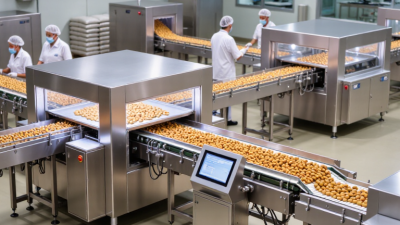
Customization should cover shapes, diameters, raw material blends, colors, and cooking performance. Confirm whether the supplier can adjust formulas without affecting consistency. Technology should solve production problems, not decorate a presentation. Ask about extrusion methods, automated dosing, inline moisture monitoring, and batch traceability. A polished machine room proves little. The real test is repeatable output. Also, discuss pilot runs and failure handling. A supplier that admits limitations may be more trustworthy than one promising everything. I would still challenge my own assumptions, especially after one successful trial.

Tips: Compare usable output, not installed capacity. Keep an approved sample for future checks. Ask for yield data from similar products. Review maintenance plans and technical response times. Visit the facility if possible, and observe cleanliness, calibration records, and operator training. Small gaps often become expensive delays.

How to Choose the Right Snack Pellet Supplier? Comparing Production Capacity, Customization, and Technology
Evaluation Dimension Small-Batch Specialist Mid-Scale Flexible Supplier Large-Scale Industrial Supplier Why It Matters

Typical monthly capacity
50–300 metric tons 300–1,500 metric tons 1,500–6,000+ metric tons Capacity should match forecasted demand while leaving room for seasonal growth and new product launches.
Recommended order profile Product testing, regional sales, limited editions Multiple markets and regular medium-volume orders National or international distribution with continuous demand Choosing a supplier that is too large or too small can increase lead times, minimum orders, or operating costs.
Minimum order quantity 100–500 kg per specification 500 kg–2 metric tons per specification 2–10+ metric tons per specification Lower minimums reduce inventory risk, while higher minimums may support more competitive unit pricing.

Pellet shapes and sizes
2–5 standard shapes; approximately 5–15 mm 5–12 shapes; approximately 3–20 mm 10+ shapes; approximately 2–25 mm, subject to tooling Shape, thickness, and expansion ratio influence frying behavior, texture, appearance, and packaging performance.
Raw-material options Potato, corn, wheat, tapioca, or blended formulations Multiple cereal, tuber, pulse, and blended formulations Broad formulation portfolio with dedicated processing lines Confirm whether the supplier can handle the starch, protein, fiber, and moisture levels required by the recipe.
Color, flavor, and seasoning compatibility Basic natural colors and standard seasoning compatibility Custom color, flavor, and seasoning trials available Dedicated application support and large-scale seasoning validation Compatibility testing helps prevent uneven seasoning, color migration, weak adhesion, or undesirable aftertaste.
Formula development support Basic technical guidance; paid trials may apply Recipe adjustment and pilot-scale trials commonly available Structured research and development programs with scale-up validation Technical support is important when changing ingredients, nutrition targets, processing conditions, or finished texture.

Processing technology
Batch or semi-continuous extrusion and drying Continuous extrusion with controlled drying and conditioning Automated continuous lines with integrated process controls Modern processing systems generally provide better consistency in moisture, density, expansion, and cooking performance.
Process-control capability Manual checks with basic instrument monitoring In-line monitoring for temperature, moisture, pressure, and throughput Automated data logging, alarms, recipe control, and statistical process monitoring Traceable process data makes it easier to identify variation and maintain consistent product quality.
Drying and moisture control Typical finished moisture: 6–10% Typical finished moisture: 5–9% Typical finished moisture: 4–8%, depending on formulation and product type Moisture affects shelf stability, breakage, frying expansion, texture, and packaging requirements.
Automation level Low to moderate; more manual handling Moderate to high; semi-automated material handling and packing High; automated conveying, inspection, packing, and production reporting Higher automation can improve repeatability and labor efficiency but may require larger order volumes.

Quality-management systems
Documented basic quality procedures HACCP-based controls and commonly recognized food-safety certification HACCP, internationally recognized food-safety certification, allergen control, and supplier-audit programs Verify current certificates, audit scope, product coverage, and expiration dates rather than relying only on logos.
Typical quality parameters Moisture, size, color, appearance, and basic cooking tests Moisture, bulk density, expansion, texture, color, microbiology, and cooking performance Full specification testing, statistical sampling, traceability, microbiology, and performance validation Quality specifications should be measurable, agreed in writing, and linked to batch-release procedures.
Traceability Batch-level records, often maintained manually Electronic or mixed batch records with ingredient traceability End-to-end electronic traceability from raw materials to finished goods Reliable traceability supports faster investigations, targeted recalls, and regulatory compliance.

Typical development lead time
2–6 weeks for standard products; longer for new tooling 4–10 weeks for customized products 6–16 weeks for new formulations, validation, and production scheduling Lead time should include formulation approval, pilot trials, tooling, testing, packaging, and shipment preparation.
Standard production lead time 2–4 weeks 3–8 weeks 4–12 weeks, depending on capacity allocation and order size Ask how lead times change during harvest periods, holidays, maintenance shutdowns, or demand peaks.
Packaging formats Bulk bags, cartons, and basic private-label packing Bulk, retail-ready bags, cartons, and customized case configurations Bulk systems, automated retail packing, pallet optimization, and export-ready packaging Packaging must protect fragile pellets from moisture, compression, contamination, and transport damage.
Best fit Start-ups, product testing, niche products, and low-volume buyers Growing brands requiring customization and dependable repeat production High-volume buyers prioritizing supply continuity, automation, and global distribution The best supplier is the one whose capacity, flexibility, controls, and commercial model fit the buyer’s operating stage.

Note: The figures above are representative industry benchmark ranges for uncooked snack pellets and should be used for supplier screening only. Actual capacity, minimum order quantity, moisture targets, lead time, certifications, and customization limits vary by formulation, equipment, factory schedule, packaging format, and destination-market requirements. Request current technical specifications, test reports, certificates, samples, and a written quotation before making a purchasing decision.

Evaluating Certifications, Pricing, Packaging, and Delivery

Choosing the right snack pellet supplier requires more than comparing catalog photos. Certifications are a practical starting point. Ask for current food safety certificates, audit dates, and the exact facility covered. Verify whether the documents match the product and production site. A certificate copied into an email is not enough evidence.

Pricing should reflect the full landed cost, not only the pellet price. Include tooling, minimum order quantities, freight, inspection, and possible storage fees. Request a written quotation with currency, payment terms, and validity dates. A low price may hide inconsistent moisture or excessive breakage. I once focused too heavily on unit cost. The shipment looked economical until extra handling charges appeared.

Packaging protects both quality and reputation. Check the bag material, inner liner, sealing method, pallet pattern, and carton weight. Moisture-resistant packaging matters when products cross humid regions. Each shipment should show clear lot codes, production dates, and handling instructions. Ask for a sample packed like the commercial order, not a hand-packed sample.

Delivery performance deserves measurable details. Confirm production lead time, dispatch location, shipping terms, and the carrier’s tracking process. Build a small buffer for port delays and seasonal demand. Suppliers should explain how they handle shortages, damaged pallets, or specification changes. Written procedures are reassuring, but actual delivery records reveal more. Request references or anonymized performance data when possible. Supplier selection is still partly judgment. Keep testing the assumptions.

How to Choose the Right Snack Pellet Supplier?

A practical procurement scorecard covering certifications, pricing, packaging, and delivery.

The scorecard uses a 100-point evaluation model: food-safety certifications receive the highest weighting, followed by delivery reliability, total pricing, and packaging performance. Buyers should verify certificates, compare landed cost rather than unit price alone, check packaging specifications, and review documented on-time delivery performance.

Selecting a Reliable Supplier Through Testing and Communication

How to Choose the Right Snack Pellet Supplier?

Selecting a Reliable Supplier Through Testing and Communication

A dependable snack pellet supplier should provide more than attractive samples. Request several production batches, not one carefully selected piece. Check moisture, expansion, density, breakage, and frying performance under your own process conditions. A pellet that expands well in a sample fryer may behave differently on a busy production line. Small details matter.

Testing should include documented specifications and traceable batch information. Ask for ingredient details, shelf-life data, quality certificates, and handling instructions. Where appropriate, use an independent laboratory to verify safety and composition. Pilot trials can reveal uneven texture, excessive oil absorption, or color changes. These findings are practical evidence, not sales promises. Still, testing has limits. Storage humidity, equipment settings, and operator habits can change the result.

Communication shows how a supplier manages pressure. Notice whether replies are clear, timely, and supported by records. Ask how they report formulation changes, delayed shipments, or quality deviations. A reliable partner should explain corrective actions without hiding uncomfortable details. Keep written trial results and agree on measurable acceptance standards. Vague language creates expensive disputes later. One common mistake is trusting confident communication too quickly. A friendly representative cannot replace consistent batches, transparent documents, and technical follow-up. Suppliers should also welcome reasonable questions after delivery, when real production problems appear.

Back To Top