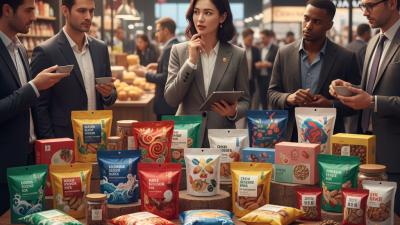
Snack products are no longer simple impulse purchases. They now connect convenience, pleasure, nutrition, and cultural identity. A small resealable pouch may serve a commuter in London, a student in Seoul, or a parent in São Paulo. Global buyers must examine more than flavor. They assess ingredient transparency, allergen information, shelf life, packaging strength, certifications, and local taste preferences.
The evidence is substantial. Mondelēz International’s 2024 State of Snacking report surveyed 12,000 consumers across 12 countries. It found that 91% of adults snack at least twice daily. Circana also reported more than 505 billion snack occasions in the United States during 2023. These figures show strong demand. They do not guarantee success. Dirk Van de Put, Chairman and CEO of Mondelēz International, said, “Snacking has become a way of life for consumers around the world.” His observation reflects a major market shift, but it needs careful interpretation. “Global” does not mean identical. A spicy corn snack may attract buyers in Mexico, yet require reformulation for another market. Price pressure can also weaken premium positioning. This guide explains what snack products mean for international buyers, including product formats, consumer expectations, compliance considerations, and practical sourcing questions. The category looks familiar. The details are not.
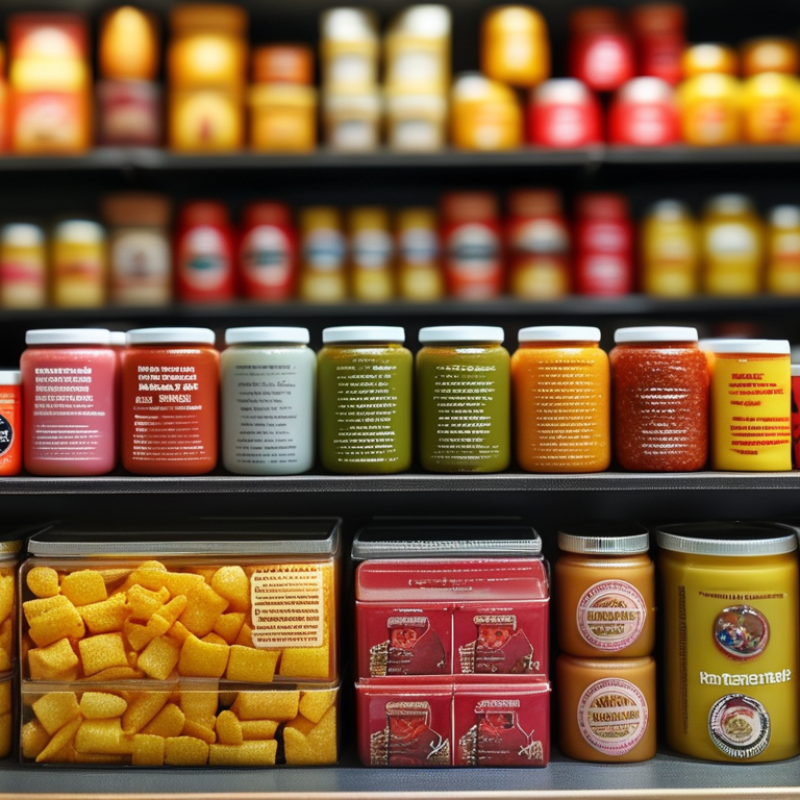
What Are Snack Products for Global Buyers?
Definition and Scope of Snack Products for Global Buyers
Snack products for global buyers are convenient foods eaten between regular meals. They may include biscuits, roasted nuts, dried fruit, cereal bars, crackers, popcorn, and other shelf-stable items. The category is broad. It covers single-serve packs, family bags, travel portions, and foodservice formats.
For international purchasing, product scope means more than flavor and appearance. Buyers usually examine ingredients, allergen statements, nutrition panels, shelf life, packaging strength, and storage conditions. A reliable supplier should provide product specifications, batch information, certificates, and clear export documentation. Products may need different labels for different markets. Translation errors can create serious delays. Packaging also matters. A crushed inner pack can damage buyer confidence, even when the food remains safe.
Tips: Check the target market’s labeling rules before approving artwork. Request samples from different production batches. Test seals, carton strength, and serving sizes in realistic shipping conditions. Do not judge quality from photographs alone.
Professional experience shows that snack preferences vary sharply. Some buyers want low-sugar options, while others prioritize bold seasoning or familiar textures. Price, freight costs, minimum order quantities, and customs requirements also shape purchasing decisions. A practical evaluation should compare the full delivered cost, not only the factory price. No checklist is perfect. Buyers can still overlook humidity, temperature changes, or local taste expectations. Small pilot orders often reveal these weaknesses before larger commitments.
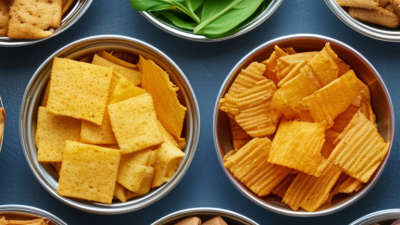
Snack products for global buyers usually fall into several clear categories. Savory snacks include potato crisps, extruded snacks, crackers, and seasoned nuts. Sweet snacks cover chocolate-style confectionery, biscuits, cereal bars, and gummies. Buyers also source dried fruit, seeds, popcorn, and better-for-you snack mixes. These products suit different eating moments, from office drawers to school lunchboxes.
Euromonitor International’s 2024 packaged-snacks data valued the global market at roughly US$650 billion in 2023. The figure shows strong scale, but category definitions differ across reports. A 2024 State of Snacking survey found that 91% of consumers eat at least one snack daily. Convenience remains powerful. However, consumers increasingly check sugar, protein, fiber, sodium, and ingredient lists. Innova Market Insights reported continued growth in high-protein claims between 2019 and 2023. That trend supports nuts, seeds, legume snacks, and protein-fortified bars.
Global buyers should compare more than taste and price. Shelf life matters in humid shipping routes. A crisp product may soften before reaching a warm port. Portion packs can reduce waste, while larger bags often improve value for families. Buyers also review allergens, nutrition panels, packaging materials, and destination-market labeling rules. I would not treat one survey as universal truth. Eating habits vary sharply by culture, income, and climate. Some promising products still fail because their texture feels unfamiliar. Clear specifications, sample testing, and transparent factory records make category decisions more reliable.
What Are Snack Products for Global Buyers?
Global snack products combine practical ingredients, convenient formats, and clear product features. Grand View Research estimates the global snack food market could grow at about 6% annually through 2030. This growth favors products that travel well and suit different eating routines. Common ingredients include nuts, grains, legumes, seeds, dried fruit, cocoa, and plant-based proteins. Fiber-rich ingredients can improve nutritional value. However, “natural” does not automatically mean healthier.
Protein bars, baked crisps, granola clusters, filled crackers, and freeze-dried fruit are widely used formats. Single-serve packs support office breaks and school lunches. Resealable pouches reduce mess during travel. Portion control matters. Euromonitor International identifies convenience as a major driver in packaged food purchasing. Buyers also examine texture, shelf life, moisture resistance, and carton efficiency. A crisp product must remain crisp after shipping. That sounds obvious, yet many samples fail here.
Product features should include readable nutrition panels, allergen statements, batch codes, and multilingual packaging. The World Health Organization recommends keeping free sugars below 10% of daily energy intake, with further benefits below 5%. Lower-sugar recipes can therefore strengthen market suitability. Still, replacing sugar with excessive sweeteners may create an unfamiliar aftertaste. High-protein snacks can also become dense or chalky. Global buyers need evidence, not attractive wording: validated nutrition data, stable packaging tests, and honest claims. Small details often decide whether a snack earns repeat orders.
| Snack Category | Typical Key Ingredients | Common Formats | Product Features | Typical Shelf Life | Storage | Common Allergen Considerations |
|---|---|---|---|---|---|---|
| Potato and Vegetable Chips |
|
|
|
Approximately 6–12 months, depending on oil stability and packaging | Cool, dry place; protect from heat and moisture | Seasoning may contain milk, wheat, soy, or mustard; shared-facility statements may apply |
| Extruded Corn and Cereal Snacks |
|
|
|
Approximately 6–12 months | Cool, dry place; reseal after opening | May contain wheat, milk, soy, or other cereal allergens |
| Nuts and Seeds |
|
|
|
Approximately 6–12 months; shorter when oxygen exposure is high | Cool, dry place; oxygen and light protection is beneficial | Peanuts, tree nuts, and sesame are major allergen categories in many markets |
| Granola and Cereal Bars |
|
|
|
Approximately 6–12 months | Cool, dry place; avoid high temperatures | May contain wheat, oats, peanuts, tree nuts, milk, soy, or sesame |
| Dried Fruit |
|
|
|
Approximately 6–18 months, depending on moisture and processing | Cool, dry place; reseal to limit moisture absorption | May be processed in facilities handling nuts, peanuts, or sulfites |
| Meat and Plant-Based Jerky |
|
|
|
Approximately 6–12 months when commercially dried and packed | Ambient storage before opening; follow label instructions after opening | May contain soy, wheat, milk, or other ingredients used in marinades |
| Rice Crackers and Savory Crackers |
|
|
|
Approximately 6–12 months | Cool, dry place; protect from humidity | Wheat, soy, sesame, milk, and gluten may be present depending on the recipe |
| Popcorn |
|
|
|
Approximately 6–12 months | Cool, dry place; keep sealed to preserve crispness | Cheese and butter flavors may contain milk; seasoning may contain soy or wheat |
| Chocolate and Compound-Coated Snacks |
|
|
|
Approximately 6–18 months, depending on formulation and storage | Cool, dry place; avoid direct sunlight and excessive heat | Commonly involves milk, soy, peanuts, tree nuts, and wheat cross-contact risks |
| Better-for-You Snack Products |
|
|
|
Approximately 6–12 months, depending on moisture and formulation | Usually ambient; product-specific instructions apply | Allergen profile varies widely; verify the full recipe and production controls |
Shelf-life ranges are typical industry ranges for unopened, commercially packaged products. Actual values depend on formulation, water activity, processing method, packaging barrier, distribution conditions, and destination-market requirements.
Snack products for global buyers include packaged foods such as crackers, dried fruit, nuts, bars, and baked snacks. Buyers assess more than taste and appearance. They examine ingredient safety, allergen control, shelf life, packaging strength, and delivery consistency. A product may look excellent yet fail because its label uses the wrong language or format.
Reliable suppliers keep clear records from raw materials to finished cartons. Batch numbers should connect with test reports, production dates, and shipping documents. Buyers commonly request microbiological results, nutrition data, allergen declarations, and evidence of contaminant controls. Requirements differ by destination, so one certificate rarely satisfies every market. Local import rules must be checked before production begins.
Packaging also needs practical testing. A sealed pouch should resist moisture during long transport and remain readable after handling. Carton markings should show quantities, lot codes, storage conditions, and expiry information. Some buyers expect third-party audits, while others prefer regular factory inspections and retained samples. These expectations can change.
In my experience, the weakest area is often document consistency. The label, specification sheet, and laboratory report may show different ingredient names. That mistake creates doubt, even when the snack itself is safe. No checklist is perfect. Suppliers should review requirements with qualified food-safety professionals and update records when regulations change. A cautious buyer may also request pre-shipment samples, corrective-action records, and proof that complaints are investigated.
What are snack products for global buyers? They are portable, stable, clearly labeled foods that fit different eating habits and import requirements. Buyers usually assess ingredients, shelf life, allergens, pack sizes, and replenishment speed. A snack can taste excellent, yet fail if its moisture barrier is weak. The FAO’s State of Food and Agriculture 2023 estimates that 13.2% of food is lost globally before retail. Distribution planning therefore matters as much as product flavor.
Sourcing should combine dependable ingredients with flexible regional options. Salt, nuts, grains, and fruit may face seasonal price changes. Dual sourcing can reduce disruption, but it may also create flavor differences. Packaging needs strong seals, readable nutrition panels, multilingual instructions, and practical case dimensions. Lightweight flexible packs can reduce freight volume, while recyclable structures may support buyer expectations. Still, sustainability claims require evidence. The UNEP Food Waste Index Report 2024 estimates that 1.05 billion tonnes of food were wasted in 2022. Better portion sizes and stronger packaging can help, but packaging alone cannot solve waste.
Tips: Request pilot shipments before full production. Test cartons through humid ports and warm warehouses. Record seal strength, breakage, and product texture. Use GS1-compatible barcodes and digital batch records for traceability. Review landed cost, not only factory price. I often see buyers underestimate returns, relabeling, and slow-moving inventory. That mistake is expensive. A simple market test may reveal that a smaller pack sells better, even when its unit cost is higher.