Skip to content

What Are Snack Creations for Global Buyers?

Snack creations are more than new flavors. They combine taste, texture, ingredients, and format into products suited to different occasions and markets. Mondelez International’s 2024 State of Snacking report found that 91% of surveyed consumers snack daily. The finding signals broad demand, but not one universal preference. A crunchy chili-lime nut mix may appeal in one market, while a lightly sweet fruit-and-grain bite fits another. Small details matter.

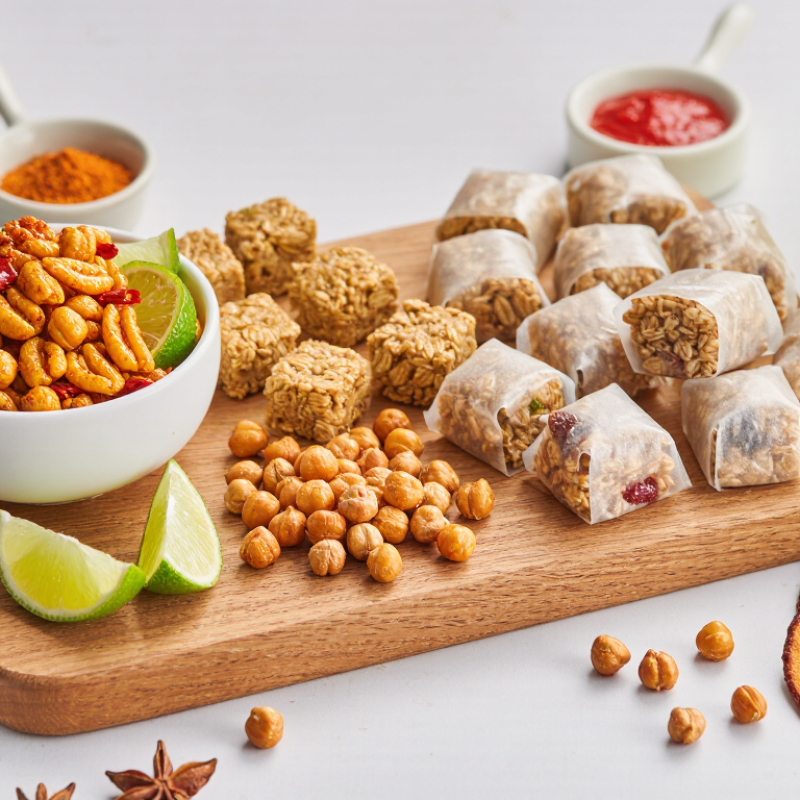
For global buyers, useful snack creations balance sensory appeal with practical sourcing and production needs. Think roasted chickpeas with a crisp shell, individually wrapped oat bites, or fruit crisps with visible pieces. Innova Market Insights’ annual trend research tracks consumer interest in factors such as protein, natural ingredients, and new flavors; these trends can guide product development, not guarantee sales. In the United States, the International Food Information Council’s 2024 Food & Health Survey reported that 56% of respondents snack at least once a day. That market-specific result should not be treated as a global measure.

Buyers can assess samples for flavor, texture, portion size, ingredient clarity, and consistency between batches. Packaging, shelf life, and market-specific labeling also deserve early review. A striking flavor is not enough. Consumer survey findings capture reported behavior, while actual repeat purchases depend on price, availability, and experience. That gap is easy to underestimate. This guide explores how buyers can evaluate snack creations with both curiosity and commercial care.
What Are Snack Creations for Global Buyers?

What Defines Snack Creations for Global Buyers?

Snack creations for global buyers are defined by more than flavor. They need to feel appealing, practical, and familiar enough to try, while still offering something distinctive. A lightly salted, crunchy snack, for example, may suit many occasions, but its texture must stay crisp after packing and shipping. Buyers also look for clear ingredient information, steady portion sizes, and packaging that protects freshness. These details matter. A great first sample can disappoint if the next batch tastes noticeably different.

Tips: Test samples after realistic storage periods. Check the ingredient list for clarity, and ask buyers about preferred sweetness, spice, and serving size. Small trials can reveal useful differences between markets.

Local preferences deserve careful attention, not guesswork. Some buyers may prefer gentle seasoning; others may welcome stronger aromas or a softer bite. Dietary needs and allergen information should be handled accurately and plainly. Labels and claims may need review for each destination, so confirm requirements with qualified local professionals. Even then, feedback can be messy. A tasting group may disagree, and one popular flavor does not represent everyone. Use measured trials, record comments, and adjust the recipe without losing consistency.

What Defines Snack Creations for Global Buyers?

WHO guidance offers useful nutrition reference points for snack development. These limits apply to a person’s total daily energy intake—not to an individual snack.

Source: World Health Organization guidance on sugars and dietary fats. Free sugars: less than 10% of total energy; saturated fat: less than 10%; trans fat: less than 1%.

Key Snack Formats and Product Categories

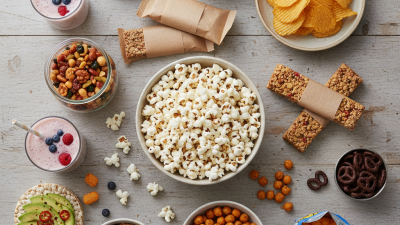
Snack creations for global buyers often begin with familiar formats: crisps, crackers, roasted nuts, popcorn, and bite-sized baked pieces. Each offers a different eating experience. Thin crisps deliver a quick crunch, while dense crackers can carry seeds, herbs, or mild seasoning. Sweet categories include biscuits, fruit chews, and chocolate-coated pieces, though sweetness preferences vary widely. Small test batches help buyers compare flavor intensity and texture before committing to larger orders. Texture matters.

Format affects more than taste. Individually wrapped portions suit lunchboxes and travel, while resealable pouches help preserve crispness after opening. Bars and compact bites are easy to carry, but can soften in warm conditions. Dried fruit and roasted mixes may appeal to shoppers seeking a less dessert-like snack, yet ingredient lists and portion sizes still deserve careful review. Buyers should check how products handle shipping, storage, and display; a delicate puffed snack may arrive crushed in a rough supply chain. Shelf plans are rarely perfect. I have found that a format that looks neat in a product brief can feel awkward in the hand, so practical sampling remains essential.

Ingredients, Flavors, and Product Design

Snack creation for global buyers starts with ingredients that perform consistently. Grain, nuts, fruit, and spices each affect flavor, texture, and shelf life. A crisp roasted pulse may need less seasoning than a dense baked cracker. Ingredient choices should also reflect local sourcing, dietary expectations, and clear allergen communication. Texture matters.

Flavor development benefits from careful tasting across different markets. Sweetness, heat, acidity, and salt can be perceived differently, so a single recipe may not suit every audience. A mild chili-lime blend might feel bright to some buyers and too sharp to others. Small details travel. Test samples with local tasters, and record what they notice—not only what they prefer. A flavor that performs well in one city may feel overly sweet elsewhere, a point that is easy to overlook.

Product design connects the recipe to the moment of use. Small portions can suit commuting, while resealable pouches help protect crunch after opening. Packaging should show the snack clearly and make key product information easy to read. Buyers should check that materials and claims meet the requirements of each destination market. Attractive design helps, but it cannot rescue a snack that turns stale quickly. Even a well-tested product may need adjustment after real distribution, because storage and handling are rarely perfect.

How Regional Preferences Shape Global Snack Demand

Regional snack demand is shaped by routines, familiar flavors, and how foods are shared. In parts of East Asia, seaweed, rice, and crisp textures feel familiar; in South Asia, spices and savory blends can suit established flavor preferences. These are broad patterns, not rules for every shopper.

The International Food Information Council’s 2024 Food & Health Survey found that 71% of US adults snack at least once daily. That figure describes the United States, not global behavior. Still, it highlights how often snack choices fit between meals. A small, resealable pack may suit a commuter, while a larger shareable format may work better for family gatherings. Details matter.

Health expectations also influence product choices, but they vary by market and occasion. The World Health Organization recommends adults consume less than 2,000 milligrams of sodium per day. That benchmark can inform savory recipes, alongside local taste tests. A snack can be lighter in salt and still taste flat; more testing is needed. Regional research should guide flavor, texture, portion size, and packaging, rather than treating one successful recipe as universal.

What Are Snack Creations for Global Buyers? - How Regional Preferences Shape Global Snack Demand

A directional overview of established regional snack preferences. Tastes vary within every market and across age groups, countries, and occasions.

Region Common Snack Categories Frequently Seen Flavor Preferences Popular Formats and Textures Demand Considerations for Global Buyers
North America Potato and corn chips, popcorn, pretzels, crackers, snack bars, and meat snacks Salty, savory, barbecue-style, cheese-inspired, and sweet-and-salty flavors Convenient single-serve packs, share-size bags, crunchy bites, and portable bars Convenience, portion options, familiar flavors, and growing interest in products positioned around protein, whole grains, or reduced sugar
Latin America Corn-based snacks, cassava and plantain chips, crackers, nuts, and baked goods Chili, lime, savory seasoning, cheese-inspired, and sweet flavors such as caramel Crispy chips, puffed corn snacks, seasoned nuts, and small packs for on-the-go eating Local ingredients and recognizable regional flavors can matter; buyers should account for differences between national markets and local taste preferences
Europe Potato crisps, savory biscuits, crackers, nuts, chocolate, and cereal or fruit bars Salted, paprika, herb, cheese-inspired, and sweet chocolate or fruit flavors Crisp and baked formats, assorted multipacks, and portion-controlled options Ingredient transparency, packaging requirements, and interest in plant-based or reduced-salt choices are relevant, with preferences differing across countries
East and Southeast Asia Seaweed snacks, rice crackers, corn snacks, nuts, dried seafood snacks, and filled or coated biscuits Savory seafood, soy, seaweed, chili, sweet-salty, and region-specific seasoning profiles Light, crisp, thin, or bite-sized products; individually wrapped portions are common in many markets Texture, portion size, and locally familiar seasonings can be important; product expectations vary substantially between countries
South Asia Spiced savory mixes, lentil and chickpea snacks, extruded snacks, nuts, and sweet biscuits Chili, cumin, turmeric, tangy, and other layered spice profiles, alongside sweet options Crunchy mixes, fried or baked pulses, and small packs suited to sharing or individual purchase Spice intensity, vegetarian suitability, price points, and clear ingredient information can influence product fit
Middle East and North Africa Nuts and seeds, savory crackers, baked snacks, dates, and sweet biscuits Salted, spiced, sesame, herb, and sweet fruit or nut profiles Roasted nuts and seeds, crisp baked products, and formats for hospitality or sharing occasions Local dietary requirements, ingredient suitability, and the role of snacks in social occasions should be considered market by market
Sub-Saharan Africa Peanut and other nut snacks, roasted or fried grains, cassava and plantain products, and biscuits Salty, chili-spiced, roasted, and sweet flavors, with preferences varying by country Affordable, filling products; small packs and locally familiar ingredients can be relevant Price, distribution access, shelf stability, and locally available crops can shape product choice and packaging decisions

The table summarizes broad, non-quantitative patterns rather than market-share rankings or consumer survey results. Validate product concepts with research in each target country.

Sourcing, Labeling, and Buyer Evaluation

What Are Snack Creations for Global Buyers?

Sourcing, Labeling, and Buyer Evaluation

For global buyers, a snack is more than a flavor sample; it is a supply decision. Start with ingredient origin, harvest season, and processing capacity. Ask suppliers for a current specification sheet, allergen controls, and batch-level traceability records.

A crisp rice bite may taste consistent in a pilot run, yet soften after weeks in humid transit. Request shelf-life evidence under conditions that resemble the planned route and storage.

Small details matter.

Labels need equal care. Confirm ingredient names, nutrition data, net quantity, date coding, and required language with qualified local reviewers before printing. Requirements differ by market, and packaging artwork should not substitute for regulatory review.

Buyers can evaluate samples against a written scorecard: flavor, texture, breakage, pack usability, and landed cost. Taste with a diverse panel, then compare repeat batches rather than one polished sample.

A plain spreadsheet often reveals more than a lively tasting room.

No supplier can remove every uncertainty. Document open questions, agree on corrective actions, and keep approval samples sealed for comparison.

Back To Top