Skip to content

What Are the Top Cutting Snacks for Global Buyers?

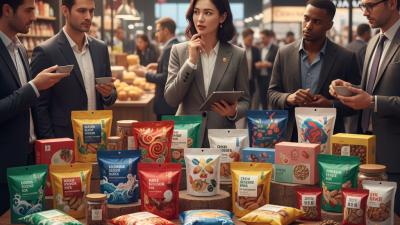
Global buyers are rethinking what a practical snack should deliver. Cutting snacks now sit between weight management, sports nutrition, and everyday convenience. The category is not perfectly defined. Some buyers mean lower-calorie foods, while others seek high-protein, high-fiber options that support fullness. That ambiguity matters when comparing suppliers, claims, and consumer expectations.

Mondelēz International’s State of Snacking 2024 report found that 91% of consumers snack at least once daily, while 61% snack twice or more. These figures show why snack quality matters beyond occasional dieting. Innova Market Insights’ 2024 trends research also highlights continued interest in protein, mindful nutrition, and recognizable ingredients. However, “healthy” alone does not guarantee repeat purchases. Texture, shelf stability, taste, and price still decide the basket.

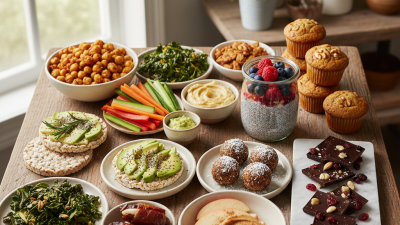
Sports dietitian Leslie Bonci has stated, “Snacks are not a bad word.” Her point is useful for buyers: a cutting snacks strategy should support eating goals without creating unnecessary restriction. A roasted chickpea pouch, a measured nut blend, or a protein yogurt cup makes the idea tangible. Portion size must remain visible. Ingredients should be easy to understand. Nutrition claims require careful verification in each target market.

There is room for improvement. Some products overuse protein language while neglecting sodium, sugar, or serving realism. Others look attractive but fail during shipping. This guide examines the leading cutting snacks for global buyers, combining market evidence with practical sourcing considerations. It asks a harder question: can a product support controlled eating and still feel genuinely satisfying?

What Are the Top Cutting Snacks for Global Buyers?

What Are Cutting Snacks and Why Do Global Buyers Choose Them?

Cutting snacks are portion-controlled foods designed to support fat-loss diets without removing convenience. They usually provide moderate calories, higher protein, and useful fiber. The term is not a regulated nutrition category, however. Global buyers should treat it as a commercial description, not a health claim.

Demand is linked to changing snacking habits. The 2024 IFIC Food & Health Survey reported that 73% of Americans snack at least twice daily. This creates room for compact products with clear calories and simple serving sizes. Protein is also important. Grand View Research’s 2024 analysis valued the global protein bar market at about US$5.1 billion in 2023. Its forecast indicates continued growth through 2030. Buyers often examine protein quality, fiber content, sugar levels, and shelf stability before approving a product.

Portion control matters.

A practical cutting snack might contain roasted legumes, unsweetened yogurt pieces, lean protein crisps, or low-sugar seed mixes. Buyers should request laboratory results, allergen controls, and complete nutrition panels. The World Health Organization recommends keeping free sugars below 10% of daily energy intake, with further benefits below 5%. That guidance is useful, but it does not replace local labeling rules. A “high-protein” snack can still be heavily processed or too calorie-dense. I would avoid judging products by protein alone. Texture, satiety, packaging waste, and regional taste preferences also influence repeat purchasing. The category remains promising, but its claims need sharper definitions.

What Are the Top Cutting Snacks for Global Buyers?

Cutting snacks are nutrient-dense, portion-controlled foods selected to support calorie management while providing protein, fiber, or both. The chart compares representative energy values for widely available snack categories using standard serving sizes.

Representative nutrition values are based on generic food entries and standard serving sizes from USDA FoodData Central. Lower calories do not automatically mean better quality; protein, fiber, portion size, and consumer dietary preferences also influence purchasing decisions.

Low energy density

Carrots and air-popped popcorn provide relatively low-calorie options with volume and, in the case of popcorn, dietary fiber.

Protein support

Nonfat Greek yogurt, edamame, and eggs are attractive to buyers seeking convenient protein for satiety and active lifestyles.

Portion awareness

Nuts offer protein, unsaturated fats, and fiber, but their higher calorie density makes portion-controlled packaging especially important.

Which Types of Cutting Snacks Are Most Popular Worldwide?

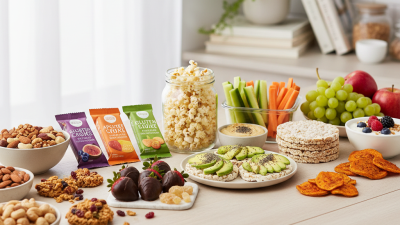
For global buyers, the most popular cutting snacks combine protein, fiber, and controlled portions. They help manage hunger without making daily calories difficult to track. Greek yogurt, boiled eggs, cottage cheese, and low-sugar protein snacks remain common choices in many markets. Check the nutrition panel carefully. Some products appear healthy but contain considerable added sugar.

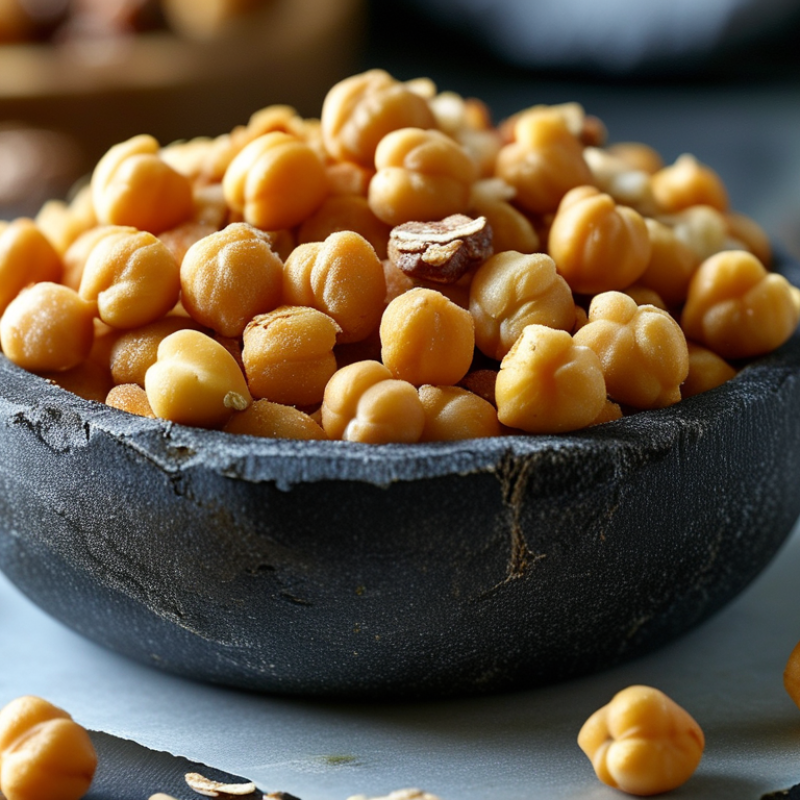
Plant-based options are also growing worldwide. Roasted chickpeas, edamame, lentil crisps, and broad beans provide useful protein and fiber. Fresh fruit, especially apples, berries, and oranges, offers sweetness with fewer processed ingredients. Nuts and seeds are nutrient-dense, but their calories rise quickly in large handfuls. Small sealed portions work better for cutting plans. Roasted seaweed and air-popped popcorn suit buyers seeking lighter, crunchy snacks.

Practical experience shows that convenience often decides whether a snack becomes a habit. A shelf-stable option may travel better than fresh yogurt, especially in warm regions. However, sodium levels, allergens, packaging quality, and local labeling rules require close attention. This part is often overlooked. Buyers should compare serving sizes, not only calories per package. Individual needs also differ because training volume, age, and dietary restrictions affect snack choices. A high-protein snack may support one person’s routine but feel unnecessary for another. My own view is less perfect: flavor still matters, and overly strict choices rarely last.

What Ingredients and Production Methods Define Quality Cutting Snacks?

For global buyers, quality cutting snacks begin with purposeful ingredients, not attractive calorie claims. Lean protein, legumes, whole grains, seeds, and selected nuts can improve satiety and texture.

Soluble and insoluble fiber also support a more balanced nutrition profile.

The World Health Organization recommends keeping free sugars below 10% of daily energy, with 5% offering additional benefits.

This makes sweeteners, syrups, and fruit concentrates important evaluation points. The 2024 International Food Information Council survey reported that 71% of consumers limit or avoid sugar.

Still, low sugar does not guarantee quality. A snack may simply replace sugar with excessive sodium or highly refined starch.

Production methods reveal the next difference. Baking and air-popping can reduce added oil, but processing temperature still affects flavor and nutrient retention.

Freeze-drying preserves crispness and some natural color, although it may raise costs and create fragile pieces. Extrusion delivers consistent shapes, yet excessive heat and aggressive refining can weaken the ingredient story.

Buyers should request moisture, protein, fiber, sodium, and oxidation data from suppliers.

Codex food-labelling guidance also supports clear ingredient and allergen declarations. Labels can be technically correct, but still confusing.

That deserves reflection.

Tips:

Compare nutrition per 100 grams, not only per serving. Check whether protein comes from recognizable foods or isolated powders.

Ask for shelf-life testing, batch records, and packaging specifications.

Test crunch after transport, not just at the factory.

A snack that breaks, softens, or tastes overly sweet will lose repeat buyers.

How Should Global Buyers Compare Suppliers, Prices, and Certifications?

What Are the Top Cutting Snacks for Global Buyers?

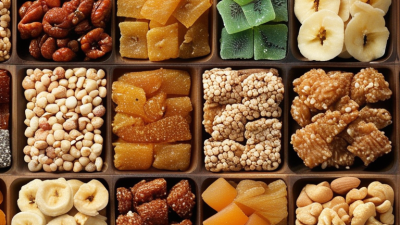
For calorie-conscious consumers, top cutting snacks often include roasted legumes, high-protein crisps, unsweetened dried fruit, and portioned seed mixes. Global buyers should judge more than flavor and nutrition claims. Compare protein, fiber, sugar, sodium, serving size, and ingredient transparency. A clear nutrition panel supports reliable market positioning. Product samples should be tested after shipping. Heat can soften crisps, while humidity may damage texture.

Supplier comparison requires evidence. Review factory experience, production capacity, traceability systems, allergen controls, and batch documentation. Ask for current food-safety certifications, laboratory reports, and certificates required by the destination market. Certifications should match the product and facility, not simply appear in a sales presentation. Compare prices using landed cost, including packaging, freight, duties, testing, and minimum order quantities. The cheapest quotation can become expensive after relabeling or delayed delivery.

Tips: Request three sample batches, not one. Check seal strength, taste, texture, and label accuracy. Use a written scorecard for every supplier. A practical mistake is focusing only on unit price. I have seen small packaging changes alter shelf life and retail acceptance. No comparison is perfect. Leave room for a second inspection and realistic lead-time delays.

What Packaging and Export Standards Matter for International Orders?

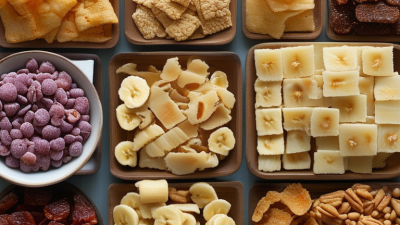
For global buyers, cutting snacks such as dried fruit slices and vegetable crisps need packaging that survives long journeys. Moisture is the main enemy. A weak seal can turn a crisp product soft before arrival. The Food and Agriculture Organization reports that 13.2% of food is lost between harvest and retail. Suitable packaging can reduce damage, although it cannot solve every supply-chain problem.

Tips: Use high-barrier pouches with tested oxygen and moisture resistance. Add a clear lot code, production date, best-before date, net weight, origin, and storage instructions. Export cartons should resist compression and humidity. If wooden pallets are used, they must meet ISPM 15 treatment requirements. For plastic packaging, confirm food-contact compliance in the destination market, such as EU Regulation 1935/2004 or applicable United States requirements. Requirements differ. Check them early.

The UNEP Food Waste Index 2024 estimates that 19% of food is wasted at retail, food service, and household levels. Packaging design matters, but excessive material can create another environmental burden. Recyclability claims should be verified locally, not copied from a supplier brochure. Buyers should request migration tests, seal-strength results, allergen controls, and carton specifications. A perfect package does not exist. Sometimes, a lighter pouch performs worse in humid ports. That uncomfortable detail deserves testing, not assumptions.

What Are the Top Cutting Snacks for Global Buyers? — Packaging and Export Standards for International Orders
Snack Category Typical Product Format International Buyer Appeal Typical Shelf Life* Recommended Export Packaging Key Quality and Safety Controls Important Export Documentation and Standards
Roasted Nuts and Seeds Whole, sliced, or seasoned almonds, peanuts, cashews, pumpkin seeds, and sunflower seeds High protein and convenient portioning; suitable for retail, food service, and private-label formats 6–12 months, depending on fat content, oxygen exposure, and storage conditions High-barrier laminated pouches or cans; nitrogen flushing or vacuum packaging; moisture and oxygen absorbers where appropriate Aflatoxin control for applicable commodities; Salmonella control; allergen management; rancidity and moisture testing HACCP-based food-safety plan; allergen declaration; certificate of analysis; phytosanitary documentation where required; Codex General Standard for Food Labelling (CXS 1-1985)
Dried Fruit Raisins, mango, pineapple, banana, cranberries, dates, and mixed fruit pieces Portable, naturally sweet, and suitable for snack mixes, bakery applications, and wellness-oriented ranges 6–18 months, depending on water activity, sugar content, and packaging barrier Resealable stand-up pouches or cartons with sealed inner bags; high moisture-barrier film; light protection for color-sensitive products Water activity, sulfite control where used, pesticide-residue compliance, foreign-material control, and mold prevention Ingredient and additive declarations; country-of-origin information; pesticide-residue records; applicable import permits; Codex food-labelling requirements
Baked Whole-Grain Crisps Oat, wheat, rice, corn, or multigrain crackers and crisp snack pieces Perceived as lighter alternatives to fried snacks; easy to merchandise in multipacks and single-serve packs 6–12 months, subject to moisture migration and oil stability Sealed high-barrier pouches inside corrugated cartons; nitrogen flushing can help protect texture and reduce oxidation Water activity, breakage rate, acrylamide risk assessment for applicable products, allergen controls, and oil-quality monitoring Nutrition declaration; allergen labelling; lot coding and traceability; HACCP or equivalent preventive-control documentation
Legume-Based Snacks Roasted chickpeas, broad beans, lentil crisps, pea snacks, and bean-based puffs Plant-protein positioning and strong suitability for savory flavor development 6–12 months Metalized or multilayer pouches with strong seals; carton reinforcement for fragile expanded products; optional nitrogen flushing Moisture and texture stability, allergen cross-contact controls, microbial testing, and seasoning uniformity Ingredient specifications; allergen statement; nutrition and claims substantiation; food-contact packaging declaration; traceability records
Popcorn and Puffed Grains Ready-to-eat popcorn, puffed rice, puffed corn, and grain clusters Lightweight products with broad age appeal and good opportunities for portion-controlled formats 6–12 months High-barrier pillow bags, stand-up pouches, or rigid tubs; sufficient headspace and crush protection are important Moisture migration, seal integrity, foreign-material prevention, flavor stability, and control of broken or compressed pieces Product specification sheet; packaging migration compliance; lot identification; nutrition and allergen labelling according to destination-market rules
Fruit and Vegetable Chips Dehydrated or baked apple, banana, beetroot, okra, carrot, and mixed vegetable chips Distinctive visual appeal and premium positioning; suitable for specialty retail and online channels 6–12 months Opaque, high-barrier pouches with cushioning; desiccants may be used when validated; avoid excessive compression during transport Water activity, color retention, oil oxidation, pesticide-residue compliance, and control of brittleness and breakage Ingredient and processing records; country-of-origin labelling; certificate of analysis; applicable food-contact packaging compliance
Protein and Functional Snack Bars Cereal, nut, seed, fruit, or plant-protein bars in individually wrapped portions Convenient for travel, commuting, sports, and meal-replacement occasions; supports multipack retail formats 6–12 months, depending on water activity, fat oxidation, and formulation Individually flow-wrapped bars packed in cartons; oxygen and moisture barriers should match the formulation; tamper-evident outer cases recommended Water activity, allergen control, microbial safety, texture stability, claim substantiation, and vitamin or mineral stability where fortified Nutrition and health-claim review; allergen declaration; ingredient specifications; lot traceability; destination-market requirements for fortified foods
Seaweed Snacks Roasted seaweed sheets, flakes, and seasoned snack packs Low-weight, savory, and suitable for Asian-inspired, vegan, and portion-controlled product lines 6–12 months Moisture- and oxygen-barrier sachets or pouches; rigid inserts or cartons can reduce sheet breakage; protect from humidity Moisture pickup, iodine levels where relevant, heavy-metal monitoring, seasoning uniformity, and seal integrity Raw-material specifications; contaminant testing where required; allergen and additive declarations; food-contact packaging compliance
Baked or Freeze-Dried Fruit Bites Single-ingredient or blended fruit pieces designed for children and general snacking Lightweight, visually distinctive, and compatible with clean-label positioning when claims are supported 6–18 months, depending on water activity and packaging performance High-barrier resealable pouches with desiccant options; child-oriented formats should include clear serving and choking-risk information where applicable Water activity, microbial safety, pesticide residues, texture control, and foreign-material prevention Ingredient and allergen statements; nutrition information; traceability documentation; destination-market labelling and packaging rules
Export checklist for international orders: Confirm the destination country’s ingredient, allergen, nutrition, additive, contaminant, claims, and food-contact packaging requirements before production. Use lot codes, production dates, best-before dates, storage instructions, pallet specifications, and a documented traceability system. For sea freight, validate container loading, humidity protection, temperature exposure, and remaining shelf life at arrival.

*Shelf-life figures are typical commercial ranges, not universal guarantees. The final shelf life must be validated through product-specific stability testing under the intended storage and distribution conditions. Common reference frameworks include Codex HACCP principles, Codex CXS 1-1985 for prepackaged food labelling, destination-market food laws, and applicable food-contact-material regulations.
Back To Top