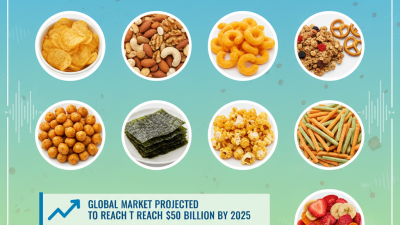
2026 Top Extruded Snack Manufacturers for Global Buyers
Choosing a reliable extruded snack manufacturer in 2026 requires more than comparing product photos or quoted prices. Global buyers need evidence of process control, ingredient traceability, production capacity, export experience, and consistent quality. This introduction frames the manufacturers through those practical standards.
Dr. Mian N. Riaz, director of the Extrusion Technology Program at Texas A&M University, has described extrusion as “a high-temperature, short-time process.” That detail matters. Temperature, moisture, screw design, and residence time can change texture, expansion, flavor, and nutritional stability. A crisp corn puff should not become dense after six weeks in humid storage. Small process errors become visible on the shelf.
This guide examines leading extruded snack manufacturers serving international buyers. It considers equipment capability, private-label flexibility, food-safety systems, packaging options, minimum order quantities, and documented export performance. Certifications such as HACCP, BRCGS, IFS, or FSSC 22000 can support confidence, but certificates alone are not enough. Buyers should review audit dates, test reports, allergen controls, and recall procedures.
The list is not perfectly universal. Market fit varies.
A strong supplier for a regional distributor may not suit a multinational retailer. Costs can also shift with grain prices, freight rates, energy use, and packaging materials. Therefore, this overview offers a structured starting point, not a final purchasing decision. Samples, factory audits, and pilot orders remain essential before signing a long-term agreement. Expect details to change. Verify them.
2026 Extruded Snack Market: 2024 Value, CAGR, and Regional Demand Data
2026 Top Extruded Snack Manufacturers for Global Buyers
The 2024 extruded snack market was valued at approximately US$72 billion, according to industry estimates. Forecasts indicate a compound annual growth rate near 6.5% through 2030. These figures vary by research method. They should guide decisions, not replace local validation.
Asia-Pacific remains the largest demand center, supported by urbanization, convenient eating habits, and expanding retail networks. North America shows steady demand for high-protein, reduced-oil, and portion-controlled snacks. Europe increasingly favors cleaner labels and recyclable packaging. Latin America and the Middle East offer strong growth potential, although import costs and distribution gaps can affect final prices. Market data is useful, but not perfectly comparable. Definitions of “extruded snack” often differ between reports.
Tips: Compare supplier capacity, moisture control, seasoning consistency, and food-safety documentation. Request recent test samples, not only catalog photographs. Check whether production lines can handle corn, rice, pulses, or blended ingredients. A factory may quote a low unit price, yet packaging, freight, and minimum order quantities can change the real cost. Buyers should also confirm allergen controls and regional labeling requirements before signing contracts. Growth looks attractive, but forecasting remains imperfect.
Extrusion Technology: 80–200°C Processing, Moisture, and Product Formats
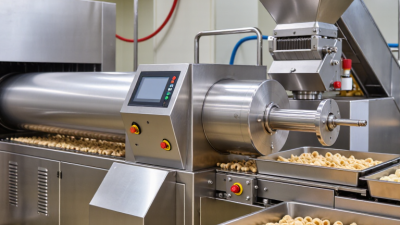
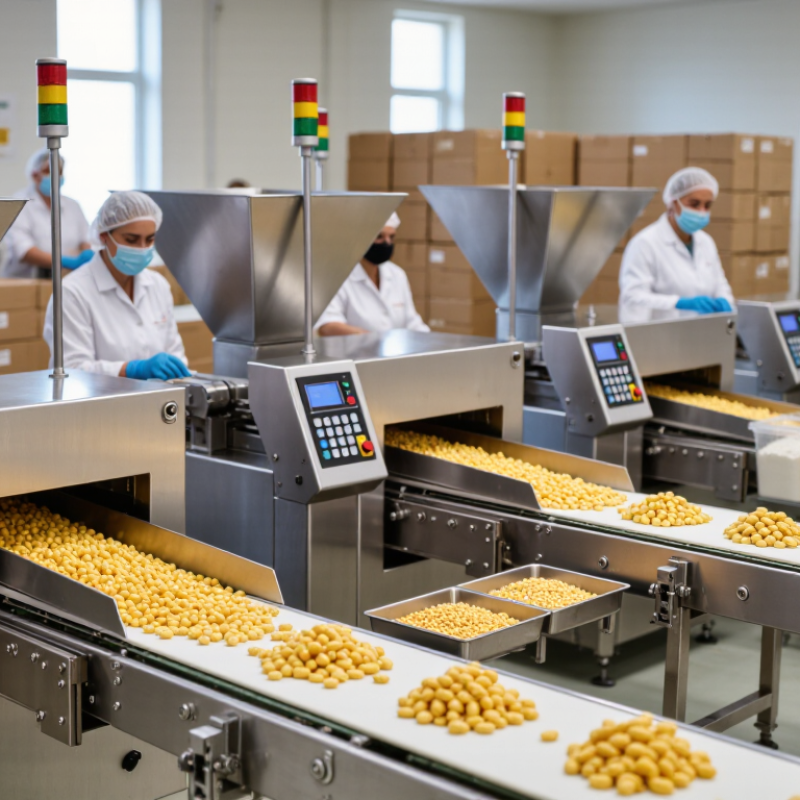
Extrusion technology now shapes many snack formats, from crisp pellets to expanded cereal pieces. Processing commonly runs between 80°C and 200°C, depending on moisture, shear, and recipe composition. Lower temperatures protect delicate flavors. Higher temperatures create stronger expansion and darker surfaces. The Food and Agriculture Organization links extrusion control with improved starch gelatinization and better ingredient utilization.
Moisture is a practical control point. Many snack formulas enter the extruder with roughly 12–25% moisture, although exact levels vary by starch, protein, and target texture. Too little water can increase torque and create uneven cooking. Too much may produce dense, soft pieces. A 2024 report by Grand View Research identifies texture innovation and convenience as major growth drivers in the global snack sector. Buyers should request moisture tolerances, torque records, and die-temperature data, not only finished samples.
Product format changes engineering requirements. Ring snacks need consistent cutting and expansion, while filled pillows demand stable pressure and accurate sealing. High-protein recipes may require lower thermal exposure because proteins tighten quickly. Market estimates from Mordor Intelligence project continued growth in extruded snack demand through the decade, but forecasts differ by region and category. That uncertainty matters. A supplier with impressive laboratory samples may still struggle with humidity changes, cleaning intervals, or seasonal raw materials. Trial runs should test those weaknesses directly.
Extrusion Technology for Global Snack Buyers
Typical processing windows for common extruded snack formats. Temperature and feed-moisture values are representative industry ranges rather than company-specific data.
Interpretation: Lower-moisture feeds are commonly used for crisp pellets and direct-expanded snacks, while higher moisture supports denser, protein-rich, filled, and co-extruded formats. Processing temperature depends on formulation, screw configuration, residence time, and desired expansion.
Top 2026 Manufacturers: Capacity, MOQ, Certifications, and Export Markets
2026 Top Extruded Snack Manufacturers for Global Buyers
Top 2026 Manufacturers: Capacity, MOQ, Certifications, and Export Markets
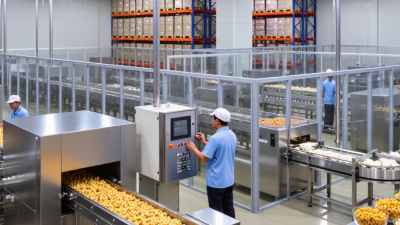
Global buyers should compare more than product photos and quoted prices. Manufacturing capacity shows whether a supplier can support seasonal demand without delaying shipment. Medium-sized plants may produce 500 to 2,000 tons monthly, while larger facilities can handle wider product ranges. Ask for production schedules, line numbers, and recent shipment records. A polished capacity claim can still hide bottlenecks.
Minimum order quantities vary by shape, flavor, packaging, and printing requirements. Standard bulk cartons often allow lower MOQs than custom retail bags. Request a written quotation showing trial-order quantities, mold fees, packaging costs, and lead times. This prevents unpleasant surprises. Some suppliers provide samples quickly but cannot repeat the same texture at scale.
Certifications require careful checking. Confirm the certificate issuer, validity date, covered facility, and product scope. Food safety systems may include recognized audits, allergen controls, traceability, and laboratory testing. A certificate may cover the factory, not every snack formula. Export experience also matters. Ask which regions receive regular shipments and whether the manufacturer understands local labeling rules. Typical markets include North America, Europe, the Middle East, Southeast Asia, and Africa. Request redacted shipping documents or buyer references where possible. Paperwork can look complete. Practical verification remains essential.
Supplier Comparison: Pricing, Lead Times, Private Label, and R&D Data
For global buyers, comparing extruded snack manufacturers requires more than checking the lowest quotation. Pricing often depends on corn, rice, or legume inputs, seasoning, packaging film, and order volume. A reliable supplier should provide a clear cost breakdown, not only a final unit price. Ask whether tooling, laboratory tests, and export documentation are included. Small hidden charges can change the real budget.
Lead times deserve equal attention.
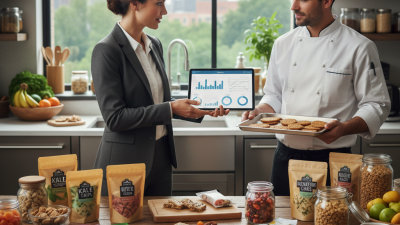
Standard products may ship within 20 to 35 days after artwork approval, while private label formulas can require 60 to 90 days. Confirm minimum order quantities, sample schedules, and production capacity during peak seasons. Private label support should include package design guidance, nutrition-panel review, barcode preparation, and controlled pre-production samples. Some suppliers promise flexibility but later reject small revisions. That gap matters.
Tips: Request three quotations using the same specifications. Compare price per kilogram, not per carton. Ask for recent batch records, shelf-life evidence, and food-safety certifications. R&D quality is visible in testing details: moisture targets, expansion rate, texture checks, and seasoning adhesion. A practical factory should explain failed trials honestly and suggest adjustments. No supplier is perfect. Buyers should also document complaints, sample approvals, and delivery performance before signing larger contracts. A written scorecard makes emotional decisions less likely.
Global Buyer Compliance: HACCP, BRCGS, FDA, EU Rules, and Allergen Limits
2026 Top Extruded Snack Manufacturers for Global Buyers
Global buyers should examine compliance before comparing price or capacity. A reliable extruded snack facility should maintain a documented HACCP system, with hazards mapped from grain receiving to sealed cartons. Ask for recent monitoring records, corrective actions, sanitation results, and traceability exercises. BRCGS certification can support supplier evaluation, but an audit certificate alone proves little. Verify its scope, expiry date, site address, and unresolved findings.
For United States shipments, check FDA registration, preventive-control procedures, importer records, and compliant ingredient statements. European Union orders require careful attention to Regulation 1169/2011, food-contact materials, additives, and allergen declaration rules. Allergen limits are not one simple global number. Sesame, milk, soy, wheat, and other allergens may require strict control, validated cleaning, and clear labeling. Cross-contact is often the weak point. One overlooked seasoning scoop can affect an entire production run.
Tips: Request a batch sample, allergen matrix, certificate of analysis, and mock-recall report. Compare documents with the actual factory process. Ask where rework is stored. Ask who releases finished goods. Keep questions specific. Small details matter. Buyers should also review local import rules, because requirements can change. A supplier may meet one market’s standard and still miss another market’s labeling expectation. That gap deserves honest discussion, not optimistic assumptions.