7 Tips for Buying an Extruded Snack Machine
Buying an extruded snack machine is not simply a matter of selecting the largest model. The right equipment must match your recipe, production target, factory space, and operator skills. A machine rated at 100 kilograms per hour may perform differently with corn flour, rice flour, or high-moisture ingredients. Product shape, expansion, texture, and moisture loss can change the result. Small details matter.
This guide presents seven practical tips for evaluating an extruded snack machine before purchase. It covers capacity, screw configuration, die options, heating control, cleaning access, energy use, and after-sales support. Ask the supplier for test-run records, food-contact material information, maintenance schedules, and references from comparable plants. Request samples made with your own formula. A showroom demonstration is useful, but it may not reflect daily factory conditions. Check whether local electrical, sanitation, guarding, and workplace safety requirements are supported.
Look closely at the machine.
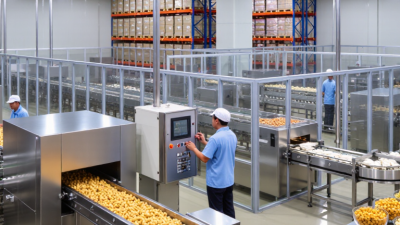
Operators should reach the barrel, cutter, and feeding system without awkward movement. Stainless steel surfaces should be smooth, accessible, and easy to inspect. Spare parts should have clear part numbers and realistic delivery times. A lower purchase price can become expensive when heaters fail, cleaning takes hours, or technical support is slow. I would also question impressive capacity claims without moisture data and operating conditions. No checklist removes every risk. Still, careful comparison can prevent a costly mismatch and support consistent extruded snack production.
Define Your Product, Output, and Production Goals
7 Tips for Buying an Extruded Snack Machine
Define your product before comparing machines.
An airy corn puff needs different processing conditions than a dense protein snack. Record the raw material, moisture level, shape, size, seasoning method, and target texture. Small changes matter. A two-millimeter difference can affect expansion and packaging performance. Request a product trial using your actual recipe. Factory demonstrations with substitute materials can create misleading results.
Set a realistic output target, not an impressive maximum number.
Calculate kilograms per hour, operating hours, cleaning time, and expected downtime. A machine rated for 500 kilograms per hour may produce less during normal production. My early estimates were too optimistic. I ignored changeover time and frequent quality checks. That mistake taught me to separate peak capacity from dependable capacity. Leave room for future demand, but avoid paying for unused capacity.
Production goals should guide the machine configuration.
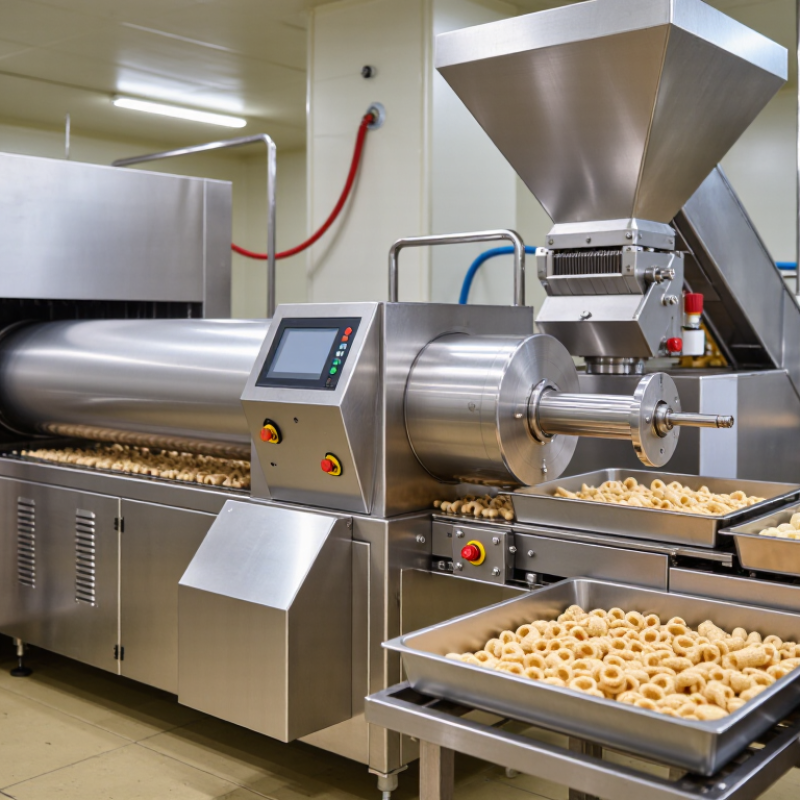
A pilot line may need flexibility, quick adjustments, and simple maintenance. A larger facility may prioritize automation, energy use, continuous feeding, and stable moisture control. Check whether operators can adjust temperature, screw speed, and cutter settings safely. Ask for test records, maintenance schedules, spare-part availability, and service response times. Inspect the contact surfaces and cleaning access. Product consistency matters, but practical upkeep matters too. A machine that is difficult to clean may quietly reduce your real output.
Compare Machine Types, Features, and Processing Capabilities
Buying an extruded snack machine requires more than comparing hourly output. First, match the machine type to your recipe. Single-screw extruders suit simple starch-based products and lower investment levels. Twin-screw models offer stronger mixing, moisture control, and flexibility for protein, fiber, or multi-grain formulas. According to Grand View Research, the extruded snacks market is expected to grow at more than 5% annually through 2030. That growth increases pressure to change recipes quickly.
Tip 1:
Request trials using your real flour, moisture level, and seasoning. A machine rated at 500 kilograms per hour may produce less after expansion, drying, and quality checks. Review screw configuration, barrel heating zones, die design, cutter speed, and cleaning access. PMMI industry reports continue to identify labor availability and automation as key equipment investment concerns. Therefore, ask whether recipe settings, alarms, and production records can be managed digitally.
Fancy screens are not enough.
Tip 2:
Compare processing capabilities, not brochure capacity. Check whether the system controls feed rate, temperature, pressure, and product density consistently. Energy use matters too. The U.S. Energy Information Administration reports that industrial motors and process equipment consume substantial manufacturing electricity, so motor efficiency deserves attention.
Tip 3:
Calculate total ownership cost, including spare screws, dies, downtime, training, and compressed air. I would also inspect a running machine personally. Small maintenance gaps can become expensive. A perfect specification sheet still cannot reveal every production problem.
Assess Suppliers, Pricing, Support, and Long-Term Value
7 Tips for Buying an Extruded Snack Machine
Assess Suppliers, Pricing, Support, and Long-Term Value
Tip 1: Check the supplier’s manufacturing experience and request documented production records. Ask how long similar machines have operated in real snack facilities. Tip 2: Inspect the machine’s core components, including the extruder, heating zones, cutter, and control system. These parts affect texture, output, and downtime. Request a sample run using your preferred raw materials. Small tests reveal problems that brochures often hide.
Tip 3: Compare complete pricing, not only the purchase quote. Include molds, installation, training, spare parts, energy use, shipping, and maintenance. A cheaper machine may require frequent manual adjustments. That cost becomes visible later. Tip 4: Examine support arrangements carefully. Confirm response times, remote troubleshooting, technician availability, and the clarity of operating manuals. Ask whether replacement parts are normally stocked. Tip 5: Verify capacity under realistic conditions. Rated output can change with moisture, recipe, product shape, and operator skill. Record the actual kilograms per hour during a supervised test.
Tip 6: Review safety features and cleaning access. Smooth surfaces, guarded moving parts, emergency stops, and simple disassembly reduce operational risk. Ask for references from facilities with comparable volumes. Their experience may be more useful than polished sales claims. Tip 7: Consider long-term value. Check upgrade options, warranty limits, service fees, and expected component life. I would also calculate energy consumption over three years. My own mistake was focusing too heavily on purchase price. That seemed sensible then. It was not. Leave room for uncertainty, because production conditions rarely match the first spreadsheet.
7 Tips for Buying an Extruded Snack Machine
A practical purchasing framework for comparing suppliers, pricing, technical support, production capability, and long-term operating value.
How to use this chart: Treat the percentages as a transparent planning model for supplier evaluation. Confirm throughput, energy use, spare-parts availability, warranty terms, and after-sales response times against your own production requirements before making a purchase.