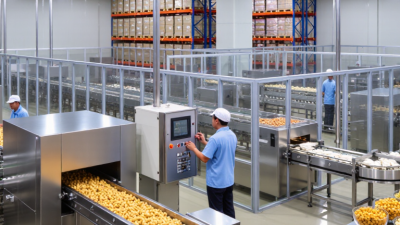
Global buyers need more than attractive prices when sourcing cutting snacks from China. Product consistency, food safety, and communication shape every shipment. A capable supplier should explain ingredients, cutting methods, packaging options, and shelf-life evidence. These details matter when cartons travel through humid ports and changing temperatures. Small errors can affect texture, appearance, and customer trust. Quality starts early.
Experienced suppliers normally provide samples before large orders. Buyers can inspect cut size, crunch, seasoning coverage, and seal strength. Factory visits, video audits, and documented production records add useful confidence. Independent laboratory testing may verify microbiological safety, allergens, moisture, and nutrition data. Certifications can support evaluation, but buyers should check their scope and validity. A certificate alone proves little. Clear batch coding and retained samples also help resolve problems quickly. This practical process reflects professional sourcing rather than marketing language.
The best China cutting snacks supplier for global buyers should match production ability with market requirements. This may include private labeling, multilingual documents, flexible minimum order quantities, and export-ready packaging. However, “best” depends on the buyer’s product category and destination. A supplier suitable for retail pouches may not fit food-service cartons. Even good factories can experience delays or uneven seasoning. Honest communication matters more than perfect promises. Buyers should compare trial orders, response times, corrective actions, and total landed cost. With careful verification, cutting snacks can become a dependable product on store shelves. The process is not effortless. It is measurable and improvable.
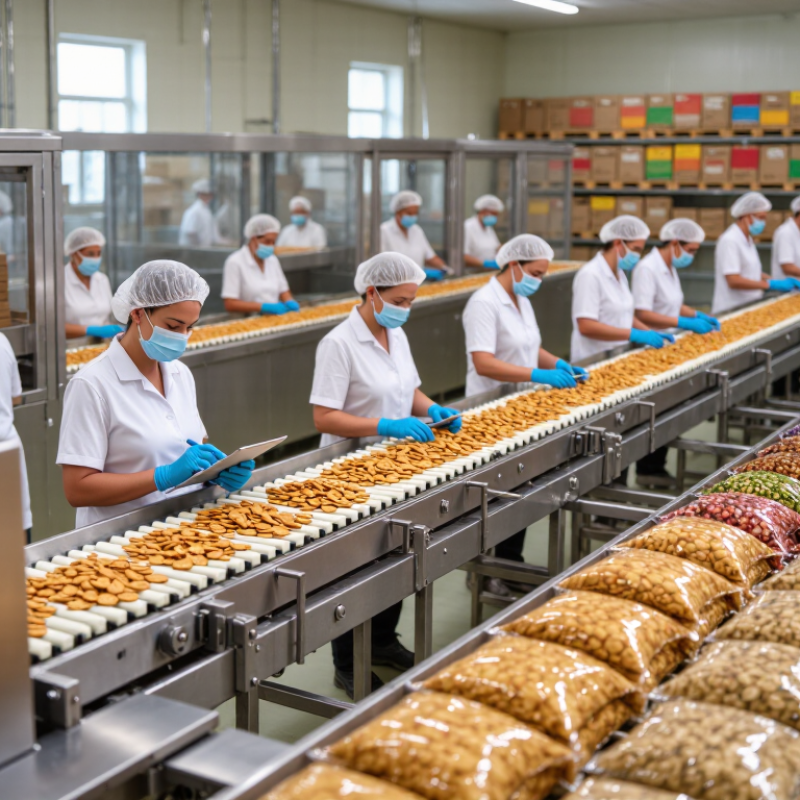
China has become a leading cutting snacks supplier because its manufacturing network combines scale, speed, and flexible production. Its advantage is not limited to lower costs. Many factories can adjust cutting shapes, package sizes, ingredients, and output levels for different markets.
This matters to global buyers with changing retail demands. A supplier may produce thin fruit strips, uniform vegetable chips, or bite-sized snack pieces. Experienced buyers should inspect cutting accuracy, texture, moisture control, and packaging performance. Samples should be tested before larger orders. Small details matter.
Production records, ingredient traceability, and food-contact packaging deserve close attention. Reliable suppliers provide clear specifications, inspection reports, and stable communication. Factory visits can also reveal useful details, such as clean cutting tables, labeled storage areas, and organized batch records. No supplier is perfect. Some factories still depend heavily on manual inspection, which can create uneven sizes. Buyers should discuss corrective actions, replacement policies, and delivery schedules before signing agreements. China remains competitive because many manufacturers keep improving equipment and production methods, although quality can differ significantly between suppliers.
China’s broad production base supports global buyers across multiple snack-related categories. The chart below shows China’s selected snack-related export categories in 2023, based on rounded UN Comtrade trade values.
Source: UN Comtrade, 2023; selected HS-4 product categories; values rounded to the nearest USD billion.
Choosing the best China cutting snacks supplier requires more than comparing online catalogs. Evaluate the manufacturer behind the quotation. Ask how long they have produced snack-cutting equipment, which materials they process, and where their machines are installed. A credible supplier should explain blade life, cutting accuracy, production speed, and cleaning procedures in clear terms.
Request a sample test with your actual snack size, texture, and packaging conditions. Observe uneven edges, crushed pieces, heat buildup, and material waste. Small details matter. Ask for food-contact material records, factory quality procedures, inspection reports, and export documents. These records should match the exact machine model, not a similar product shown in photographs. A video call can reveal the workshop, but an independent factory audit is more dependable.
Check how the manufacturer handles problems after delivery. Confirm spare-part availability, response times, installation support, and operator training. Speak with recent customers when possible, preferably those using comparable volumes. A low price may hide weak blades, unstable motors, or limited technical support. I once treated a polished presentation as proof of quality, and that judgment was too quick. Suppliers should also accept reasonable questions about defects and improvement plans. No factory performs perfectly. The important point is whether it measures failures, records corrective actions, and communicates honestly. A trial order is often safer than committing to a large purchase immediately.
Global buyers often need more than a low quotation. They need reliable snack cutting equipment, consistent output, and practical after-sales support. A capable supplier should offer cutters for chips, bars, strips, cubes, and shaped snacks. Product selection must match the material, thickness, production speed, and cleaning process. Stainless steel contact parts are important. Smooth surfaces reduce residue and simplify daily sanitation.
Quality should be checked through real production evidence. Ask for material certificates, cutting samples, tolerance records, and inspection photos. A useful factory can explain blade hardness, motor performance, safety guards, and replacement intervals. Trial runs matter. A machine may perform well for ten minutes, then struggle with sticky ingredients. That detail is easy to miss.
Customization can include blade size, conveyor width, voltage, control language, feeding methods, and packaging dimensions. For overseas installation, clear manuals and video guidance reduce delays. Spare blades should be available before shipment. Communication is part of quality.
No supplier gets every detail right. Some specifications may need revision after testing. Buyers should send sample ingredients and target output early. Small misunderstandings about texture, moisture, or cutting shape can affect the final result. A dependable supplier documents changes, confirms drawings, and accepts reasonable inspection steps before delivery. That process feels slower. It often prevents expensive corrections later.
For global buyers sourcing cut snack products, export readiness starts with controlled production, not attractive photographs.
A reliable supplier should provide ingredient specifications, allergen declarations, batch codes, shelf-life evidence, and certificates of analysis. Moisture, texture, and weight need regular checks. Small variations still happen. They should be recorded, not hidden.
Packaging must protect crispness during long transit. Food-grade inner bags, sealed cartons, desiccant where appropriate, and clear pallet labels reduce moisture damage and warehouse errors. Packaging tests should examine compression, vibration, leakage, and temperature exposure. The Codex General Principles of Food Hygiene supports documented hazard controls and traceability across food operations. Buyers should also request samples from the final production line, because showroom samples can mislead.
Shipping planning deserves equal attention. UNCTAD’s Review of Maritime Transport 2023 reports that more than 80% of global merchandise trade by volume moves by sea. That makes container loading, moisture protection, and document accuracy commercially important. A capable Chinese supplier should support commercial invoices, packing lists, certificates of origin, inspection documents, and destination-specific labeling. The World Bank’s Logistics Performance Index 2023 evaluates customs, infrastructure, tracking, and timeliness, offering useful criteria for supplier discussions. Clear Incoterms, realistic lead times, and shipment tracking prevent expensive surprises. Not every delay is avoidable. Honest communication is.
Best China Cutting Snacks Supplier for Global Buyers
How Global Buyers Can Select the Right Supplier
Choosing a China cutting snacks supplier requires more than comparing prices. Start with product samples, production capacity, and documented quality controls. Request the exact cutting size, ingredient list, packaging material, shelf life, and minimum order quantity. A reliable supplier should answer clearly and provide consistent records.
Check whether the factory follows recognized food safety systems and supports third-party inspections. Ask for batch traceability, allergen controls, sanitation schedules, and testing procedures. Review export experience for your destination market, including labeling, language, customs documents, and permitted ingredients. Never rely on certificates sent without verification. A factory visit or live video audit can reveal storage conditions, equipment maintenance, and worker hygiene.
Small details matter. Test several batches, not only one attractive sample. Measure texture, weight, moisture, seal strength, and cutting accuracy. Compare results against written specifications. In practical sourcing work, response speed often predicts future cooperation. Yet it is not proof of quality. A fast salesperson may still overlook production risks. I would also examine complaint handling. Ask how the supplier manages damaged cartons, late shipments, or inconsistent pieces. Their answer should include records and corrective actions, not vague promises. Leave room for review. Even a promising supplier may need closer checks during the first shipment.
| Evaluation Dimension | What to Measure | Practical Benchmark or Requirement | Evidence Buyers Should Request | Suggested Weight |
|---|---|---|---|---|
| Product Definition | Snack format, raw materials, cut size, thickness, flavor, coating, and intended market | The supplier should confirm all specifications in writing before sampling and quotation | Product specification sheet, approved sample, technical drawing, ingredient statement | 10% |
| Food Safety System | Preventive controls, hazard analysis, sanitation, allergen management, and traceability | A documented, independently audited food-safety management system appropriate for the product and destination market | Current audit certificate, HACCP plan, sanitation records, allergen-control procedure, recall procedure | 20% |
| Regulatory Compliance | Compliance with Chinese requirements and the importing country’s food, labeling, additive, and packaging rules | Every shipment must use legally permitted ingredients, claims, labels, and packaging for the destination market | Ingredient list, additive declarations, nutrition data, label artwork, export and market-specific documents | 15% |
| Raw Material Control | Origin, supplier approval, incoming inspection, freshness, and contaminant control | Raw materials should have defined acceptance criteria and documented lot-level traceability | Approved-supplier list, certificates of analysis, incoming inspection records, lot-traceability example | 10% |
| Cutting and Processing Consistency | Cut dimensions, thickness, breakage, appearance, seasoning coverage, and process capability | Critical dimensions and appearance limits should be agreed in a signed specification; production samples should match the approved sample | Process-control plan, inspection records, production trial report, retained samples, defect limits | 15% |
| Shelf-Life Validation | Microbiological safety, sensory quality, texture, oxidation, and packaging performance over time | Shelf life should be supported by a documented study under defined storage conditions; water activity and moisture targets must be product-specific | Shelf-life study, microbiological results, sensory evaluation, water-activity or moisture data, storage protocol | 10% |
| Packaging and Export Protection | Barrier properties, seal integrity, carton strength, palletization, and protection from moisture and crushing | Packaging should be suitable for the product, transport route, climate, and required retail presentation | Packaging specification, seal-test records, transport test results, carton and pallet configuration | 8% |
| Capacity and Lead Time | Monthly capacity, minimum order quantity, production schedule, and peak-season planning | Capacity claims should be verified through production records and a trial order; lead time should be stated from artwork approval or deposit to shipment | Capacity statement, production plan, trial-order schedule, on-time delivery history, inventory policy | 5% |
| Quality Documentation | Batch coding, certificates of analysis, inspection frequency, complaint handling, and corrective action | Each commercial batch should be identifiable and supported by agreed release and complaint procedures | Sample certificate of analysis, batch record, inspection checklist, corrective-action report | 4% |
| Commercial Transparency | Total landed-cost drivers, payment terms, tooling, packaging, testing, and logistics assumptions | The quotation should clearly separate product, packaging, testing, documentation, freight, and other applicable charges | Detailed quotation, Incoterm, payment schedule, validity period, tooling ownership terms | 3% |
| Total Evaluation Weight | 100% | |||
Note: Benchmarks are buyer-side evaluation guidelines. Final specifications, testing methods, limits, labeling, and shelf-life requirements must be confirmed against the product type and the regulations of the destination market.