Skip to content

China Top Snack Pellet Machine Manufacturers?

Choosing among China’s top snack pellet machine manufacturers requires more than comparing catalog prices. A reliable evaluation examines extrusion stability, die design, drying control, energy use, and after-sales support. These details shape whether a snack pellet becomes crisp, evenly expanded, and commercially consistent. They also affect cleaning time and production losses.

Dr. Mian N. Riaz, a recognized food extrusion specialist, has described extrusion as “both a science and an art.” His observation fits snack pellet production closely. Skilled manufacturers combine measurable process control with practical judgment. They adjust moisture, temperature, screw speed, and residence time for different raw materials. A strong machine should handle potato, corn, wheat, and mixed formulations without creating excessive breakage. Small details matter. A poorly aligned die can leave visible defects.

This introduction will examine leading Chinese manufacturers through an experience-based and technical lens. It will consider machine structure, output capacity, customization, testing procedures, certifications, spare parts, and installation guidance. Factory visits, sample trials, and customer feedback can reveal more than polished brochures. Still, no ranking can suit every factory. A compact workshop may value flexibility, while a large plant may prioritize automation and continuous output. That comparison remains imperfect, because supplier performance can change over time. Buyers should request recent references and test their own formulations before making a decision. The best snack pellet machine is not always the largest or cheapest. It is the one that delivers stable results under real production conditions.
China Top Snack Pellet Machine Manufacturers?

China’s Snack Pellet Machine Market: Capacity, Technology, and Export Data

China’s snack pellet machine market has expanded with demand for efficient, flexible food-processing lines. Manufacturers are concentrated in major equipment-producing regions, where suppliers build single-screw, twin-screw, and multi-layer systems. Typical pilot machines produce about 100–300 kilograms per hour. Larger industrial lines may exceed one tonne per hour, depending on raw materials and pellet shape.

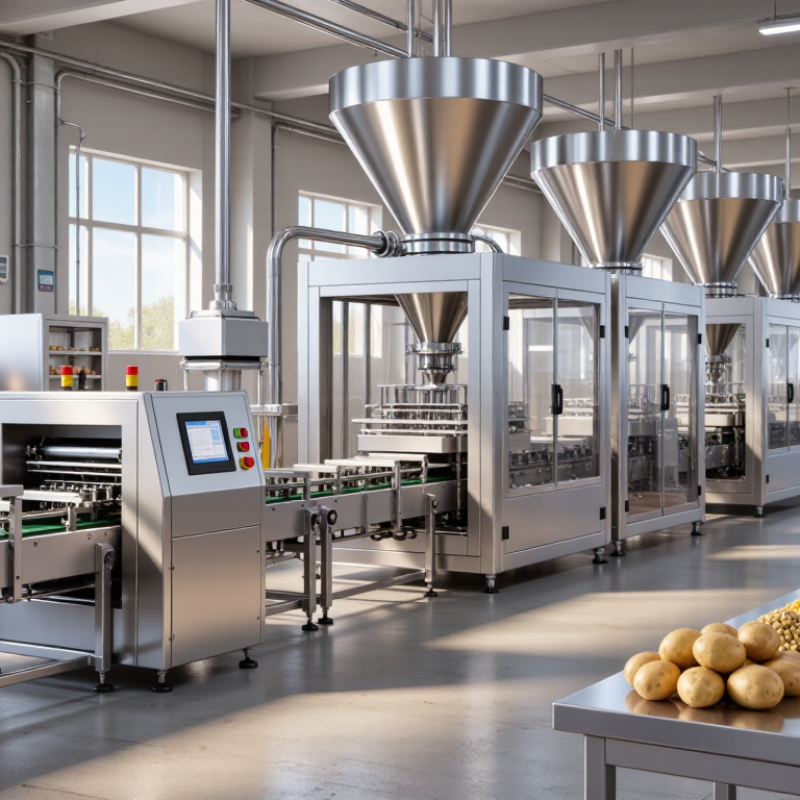
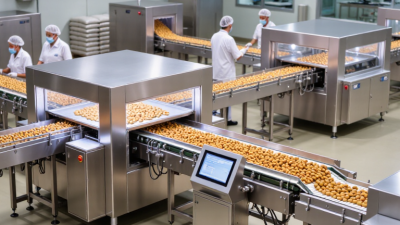
Technology now focuses on stable extrusion, accurate temperature control, and lower energy use. Modern lines often include mixers, extruders, dryers, seasoning units, and automatic packing equipment. Stainless-steel contact parts support easier cleaning. Servo-driven cutting can improve size consistency. In factory trials, moisture control remains critical. Small changes can affect expansion, texture, and frying behavior.

Export data requires careful reading. Customs classifications may combine snack machinery with broader food-processing equipment, so published figures can differ. Trade records commonly show shipments to Southeast Asia, the Middle East, Africa, and South America. Buyers should verify production capacity through material tests, energy records, spare-parts lists, and installation references. Certification documents matter, but paperwork alone does not prove performance. A machine rated at 500 kilograms per hour may achieve less with high-moisture formulas or irregular starch quality. That gap deserves honest discussion. Manufacturers with documented test reports, trained technicians, and responsive after-sales support usually offer stronger long-term reliability.

How to Rank Manufacturers by 30–500 kg/h Output and Product Quality

China Top Snack Pellet Machine Manufacturers?

Ranking manufacturers for 30–500 kg/h output requires more than comparing catalog numbers. A reliable supplier should demonstrate stable production at your target capacity. Ask for a recorded test using your pellet shape, moisture level, and raw material. Measure actual output, not the claimed maximum. A machine producing 30 kg/h may need different feeding control than one designed for 500 kg/h. This difference matters.

Product quality appears in small details. Inspect stainless-steel food-contact parts, weld finishing, cutting accuracy, and die consistency. During a factory visit, check whether operators can change dies without excessive downtime. Listen for irregular gearbox noise. Observe pellet expansion after frying or hot-air processing. A strong manufacturer provides material certificates, electrical documentation, inspection records, and clear spare-parts lists. Independent testing adds credibility, especially when production data seems unusually optimistic.

Experience still needs verification. Request references from factories with similar products and capacities. Compare three test batches, not one successful sample. Ask how the supplier handles unstable moisture or blocked feeders. Their answer often reveals practical knowledge. A responsive service team is useful, but response promises are not performance evidence. I would also score training, commissioning, warranty terms, and remote troubleshooting. No ranking is perfect. A low-cost machine may win on price yet lose through frequent cleaning delays and inconsistent pellet density. Those hidden losses deserve careful calculation before purchase.

Leading Chinese Suppliers of 2D, 3D, and 4D Pellet Processing Lines

China Top Snack Pellet Machine Manufacturers?

Leading Chinese Suppliers of 2D, 3D, and 4D Pellet Processing Lines

Leading Chinese suppliers now offer complete processing lines for 2D, 3D, and 4D snack pellets. These systems typically cover mixing, extrusion, forming, drying, and controlled cooking. A 2D line produces flat shapes, such as rings or squares. Three-dimensional lines create curls, tubes, shells, and other expanded forms. Four-dimensional equipment often supports more complex textures and multi-stage forming.

Practical factory evaluations should focus on output stability, not attractive brochures. Check whether the extruder maintains even pressure during long production runs. Inspect stainless-steel contact parts, temperature controls, cutter access, and cleaning procedures. A reliable supplier should provide test samples using your chosen starch blend. Small differences in moisture can change expansion dramatically. That matters.

Chinese manufacturers often provide modular layouts for different workshop sizes. Some suppliers also support automatic feeding, seasoning, and packing connections. However, higher automation does not always mean better performance. Poorly matched dryers can increase energy use and create uneven moisture. This is where technical communication becomes important. Ask for installation drawings, spare-part lists, operator training, and documented acceptance standards. A few suppliers may promise excellent results too quickly. That deserves careful review. Pilot testing remains the safer decision before large-scale investment.

China Top Snack Pellet Machine Manufacturers? - Leading Chinese Suppliers of 2D, 3D, and 4D Pellet Processing Lines

Technical comparison of common snack pellet processing line configurations and production considerations

Processing Category Typical Pellet Structure Common Raw Materials Core Forming Method Typical Finished Product Size Typical Production Capacity Main Processing Stages Key Selection Considerations
2D Snack Pellets Flat or thin two-dimensional shapes, including sheets, curls, rings, tubes, and simple geometric profiles. Potato, corn, wheat, rice, tapioca, pea, and other food-grade starch blends. Sheeting, extrusion, or die forming followed by cutting into a flat profile. Approximately 0.8–3.0 mm thickness; dimensions depend on the selected die and cutter. Approximately 100–500 kg/h, depending on formulation, pellet thickness, and line configuration. Raw material mixing, conditioning, extrusion or sheeting, cutting, drying, cooling, and packaging. Suitable for simple shapes and efficient high-volume production; die precision and moisture control strongly affect shape retention.
3D Snack Pellets Three-dimensional expanded shapes such as shells, balls, pillows, spirals, tubes, and irregular novelty forms. Potato, corn, wheat, rice, tapioca, and blended cereal or legume flours. Three-dimensional die extrusion, rotary forming, or specialized molding followed by controlled drying and expansion. Approximately 8–30 mm across the finished expanded shape. Approximately 80–400 kg/h, depending on product density, shape complexity, and expansion method. Mixing, preconditioning, extrusion or molding, cutting, pre-drying, final drying, cooling, and optional frying or hot-air expansion. Complex shapes require accurate die design, consistent feed moisture, stable cutting, and careful drying to prevent cracking or deformation.
4D Snack Pellets Highly shaped, layered, filled, embossed, or novelty pellets with additional visual or textural features. Starch-based doughs, cereal flours, vegetable powders, seasoning blends, and compatible filling materials. Multi-layer extrusion, co-extrusion, filled-pellet forming, embossing, or advanced die-cutting systems. Approximately 10–35 mm, depending on the design, filling ratio, and expansion requirements. Approximately 60–300 kg/h, with output influenced by filling consistency and product complexity. Ingredient dosing, mixing, conditioning, co-extrusion or forming, cutting, drying, cooling, expansion, seasoning, and packing. Requires precise synchronization between feed systems and forming units; filling viscosity, layer adhesion, and drying uniformity are critical.
Extrusion-Based Line Uniform pellets produced from a continuous dough stream with repeatable density and dimensions. Starch-rich flours, cereal powders, potato granules, and functional ingredients suitable for extrusion. Single-screw or twin-screw extrusion through interchangeable dies. Generally 1–30 mm, based on die opening, cutter speed, and expansion ratio. Approximately 100–800 kg/h for commercial snack pellet applications. Feeding, mixing, water addition, extrusion, die forming, cutting, drying, cooling, and optional expansion. Offers flexible formulation control and rapid die changes; screw design, torque, and temperature control should match the recipe.
Sheeting and Cutting Line Flat pellets with consistent thickness and defined two-dimensional outlines. Potato, corn, wheat, rice, tapioca, and composite flour doughs. Roller sheeting followed by rotary, reciprocating, or die cutting. Approximately 0.8–2.5 mm thickness, with shape dimensions determined by the cutter. Approximately 100–600 kg/h, depending on sheet width, speed, and drying capacity. Mixing, dough preparation, sheeting, dusting if required, cutting, drying, cooling, and packing. Provides accurate flat profiles and efficient material use; dough elasticity and roller-gap stability are important.
Drying System Partially or fully dried raw pellets prepared for later frying, baking, or hot-air expansion. Formed potato, corn, wheat, rice, tapioca, and multi-grain pellets. Continuous belt drying using controlled hot air, humidity, airflow, and residence time. Product-dependent; final dimensions are affected by shrinkage and later expansion. Approximately 100–1,000 kg/h of wet or semi-wet product, depending on dryer length and moisture load. Initial moisture equalization, staged drying, tempering where required, cooling, and moisture testing. Uniform airflow and temperature zoning help reduce warping, cracking, uneven expansion, and excessive energy consumption.
Expansion and Finishing Line Light, crisp snacks made by expanding dried pellets before seasoning and packaging. Dried 2D, 3D, or 4D pellets with a controlled residual moisture level. Frying, hot-air expansion, baking, microwave expansion, or a combination of methods. Expansion commonly increases the original pellet volume by approximately 2–5 times, depending on formulation and process. Approximately 100–500 kg/h of finished expanded snacks. Pellet feeding, expansion, de-oiling where applicable, cooling, oil or dry seasoning, metal detection, and packaging. Final texture depends on pellet moisture, expansion temperature, residence time, oil management, and seasoning uniformity.
Typical Utilities Utilities vary according to line length, heating method, automation level, and product formulation. Food-grade ingredients and potable process water; compressed air may be required for pneumatic controls. Electric drives with thermal energy supplied by electricity, gas, steam, or thermal oil systems. Not applicable; utility demand is normally specified by installed line capacity. Common commercial lines use approximately 50–500 kW installed electrical power, excluding site-specific services. Electrical power, heating energy, ventilation, compressed air, water, drainage, and dust-control provisions. Confirm local voltage, fuel availability, exhaust requirements, floor loading, drainage, and available installation space before purchase.
Quality and Food-Safety Features Consistent shape, moisture, density, texture, color, and seasoning distribution. Food-contact materials should be suitable for the recipe and cleaning method. Sanitary design with accessible contact surfaces, controlled process parameters, and inspection points. Measured by product specifications, sieve analysis, dimensional checks, and expansion performance. Capacity should be validated using the buyer’s actual recipe and target moisture. Ingredient control, process monitoring, drying, cooling, inspection, metal detection, and hygienic packing. Request material certificates, electrical documentation, cleaning instructions, spare-parts lists, and a recipe-based acceptance test.

Note: Capacity, dimensions, installed power, and expansion ratios are typical industry reference ranges rather than guaranteed values. Actual performance depends on recipe composition, feed moisture, die design, pellet geometry, drying conditions, expansion method, and operating parameters.

Key Specifications: 50–150 kW Power, Automation, and Energy Efficiency

China Top Snack Pellet Machine Manufacturers?

For snack pellet production, a 50–150 kW machine range covers many medium and large processing lines. Power alone does not define output. Die design, feed moisture, screw speed, and cooling capacity also affect performance. The International Energy Agency reported that industry used about 37% of global final energy in 2023. This makes efficient pellet processing a practical purchasing issue, not merely a marketing claim.

Manufacturers with strong engineering records should provide motor-load data, hourly capacity, and energy use per kilogram. Variable-frequency drives can adjust screw speed during recipe changes and reduce unnecessary electricity use. Automated feeding, temperature control, and fault alarms can improve consistency. However, automation is not always cheaper. Sensors need calibration, and poorly trained operators may create new losses. A 150 kW motor is not automatically better. Actual tests matter.

Tips: Request a factory trial using your own flour, starch, and moisture levels. Measure kWh per kilogram, pellet expansion, and production stability. The U.S. Department of Energy recommends using measured operating data when evaluating industrial motor systems. Check whether the quoted power includes the extruder only or the complete line. That detail is often overlooked. Also review cleaning access, spare-part availability, and safety documentation before comparing prices.

Factory Audits, Certifications, After-Sales Service, and Global Shipment Records

China Top Snack Pellet Machine Manufacturers?

Selecting a top snack pellet machine manufacturer requires more than a polished website. Factory audits reveal how equipment is actually built. Check welding areas, electrical cabinets, machining tools, and spare-parts storage. Ask to inspect a running production line, not only finished machines. A clean workshop helps, but it does not prove stable performance.

Certification records need careful review. Request copies of applicable safety and electrical certificates, then verify the issuing organization and machine model. The certificate should match the delivered configuration. Some documents look convincing but cover different equipment. That detail is easy to miss. Review material specifications, pressure controls, emergency stops, and food-contact surfaces with an experienced engineer.

After-sales service often determines the real purchase value. Confirm response times, remote troubleshooting methods, installation support, and technician availability. Ask whether manuals include wiring diagrams and maintenance schedules. Global shipment records can support credibility when they include destinations, shipping dates, and machine quantities. Redacted bills of lading or customer references may provide useful evidence. Still, shipment volume does not guarantee quality. A manufacturer may ship widely while handling complaints slowly. I would test communication before signing, including a difficult technical question. Small delays can expose larger problems. Some factories provide excellent equipment but underestimate training needs, so buyers should document every requirement before production begins.

Back To Top