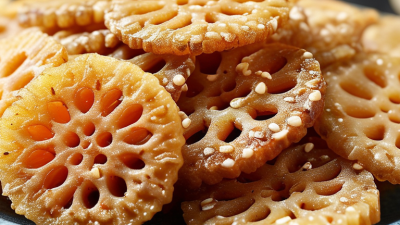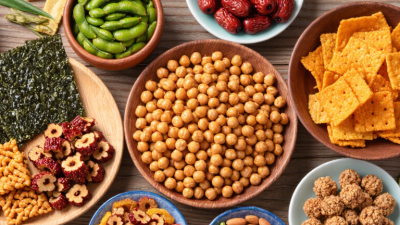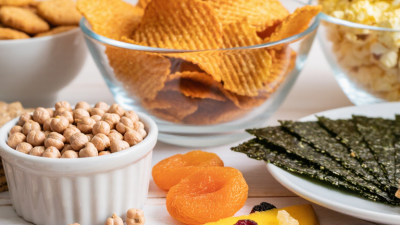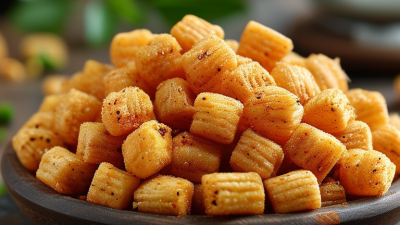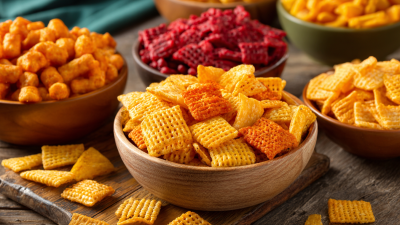
China’s snack market offers far more than familiar chips and sweets. Regional flavors, varied textures, and distinctive packaging give global buyers many options to explore. A single shelf might hold spicy broad beans, crisp rice crackers, dried fruit, and soft pastries filled with red bean paste. Some products are bold and savory. Others are lightly sweet. The best snack for one market may not suit another, because taste, portion size, and preferred ingredients differ. Taste varies.
This guide to China’s top 10 snacks introduces products that buyers can assess for flavor, shelf appeal, and practical sourcing needs. It looks beyond novelty. Ingredient lists, pack sizes, storage guidance, and consistent product specifications matter when evaluating a snack for retail or distribution. A crunchy coating can soften during transit, while a flavor that sells well in one region may need testing elsewhere. Small details matter. Buyers should request current product information and samples, then review labeling and import requirements with qualified local professionals. Requirements vary by destination and product category.
The selection is a starting point, not a universal ranking. Availability, recipes, and export packaging can change, and translated descriptions may miss subtle flavor notes. That deserves a second look. Careful tasting and clear supplier communication help buyers make informed choices—and avoid relying on a catchy name alone.
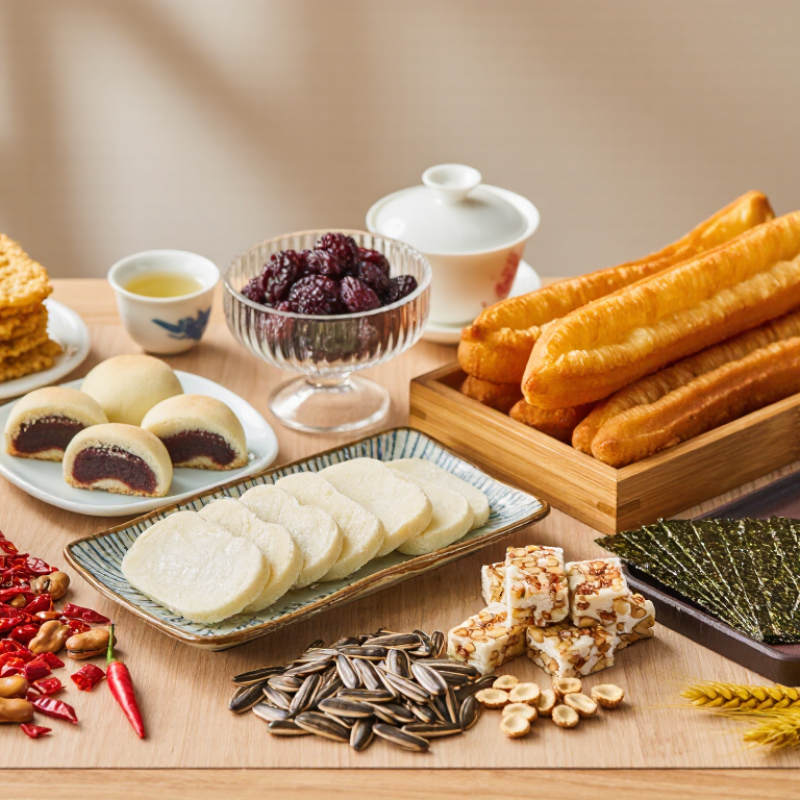
China’s leisure-food market reached RMB 1.16 trillion in 2023, according to iiMedia Research. The figure signals a large domestic market for snacks, from crisp crackers to chewy dried fruit. For global buyers, it offers useful context, not a promise of easy sales. That distinction matters.
A large market can support many tastes and price points. Shoppers may choose small packs for a commute, share nuts during a break, or pick sweet treats for an evening at home. These everyday moments help explain why convenience, texture, and portion size deserve attention. Packaging also matters: a clear ingredient list and readable storage instructions can make unfamiliar products easier to assess.
Numbers need careful reading. Market size alone does not show which snack categories are growing, how much comes from online sales, or whether overseas consumers will respond in the same way. It is tempting to treat RMB 1.16 trillion as a direct measure of export opportunity, but that would be too simple. Buyers should compare product samples, shelf life, and local taste preferences before making decisions. A crunchy snack can travel well; its flavor may not.
China Top 10 Best Snacks for Global Buyers: compare roasted nuts, dried mango, preserved plums, rice crackers, sesame brittle, egg rolls, spiced broad beans, seaweed sheets, freeze-dried fruit, and chili rice cakes. Shelf life depends on recipe and packaging, not snack type alone. Nuts and sesame brittle can lose quality as fats oxidize; crackers and seaweed soften when moisture enters. Dried fruit and preserved plums need verified water activity and microbial controls. Ask suppliers for shelf-life studies under stated storage conditions. Small details matter.
Export readiness also depends on clear ingredient and allergen declarations, batch codes, traceability, and packaging that survives humidity and transit. FAO’s 2023 State of Food and Agriculture estimated that 13.2% of food was lost between harvest and retail in 2021. This figure is not snack-specific, but it highlights why storage and handling deserve scrutiny. Check the current Codex food-hygiene principles and destination-market requirements before selecting products. Test the pack. One weakness in a simple ranking is treating printed shelf life as proof; request supporting test records, and inspect seal quality on actual samples. A crisp product that arrives soft is not export-ready.
Shelf-life ranges below are indicative for unopened, commercially packaged products stored as directed. Actual shelf life depends on the recipe, processing method, packaging, and supplier validation; check the product specification and destination-market requirements.
| Rank | Snack Type | Typical Ingredients | Indicative Unopened Shelf Life | Storage Needs | Export Readiness | Key Buyer Checks |
|---|---|---|---|---|---|---|
| 1 | Roasted sunflower seeds | Sunflower seeds, salt, and optional spices or flavorings. | About 6–12 months | Keep sealed in a cool, dry place; protect from moisture and rancidity. | High: familiar, shelf-stable format; seed import rules and labeling still vary by market. | Check allergen statements, flavor additives, oxidation controls, and whole-seed import requirements. |
| 2 | Rice crackers | Rice or rice flour, starch, vegetable oil, salt, and seasoning; some recipes include soy or wheat. | About 6–12 months | Store dry and protect from crushing; reseal after opening. | High: lightweight, ambient-stable, and easy to portion for retail. | Verify allergen declarations, seasoning ingredients, breakage protection, and local nutrition-label rules. |
| 3 | Instant noodle snack cups or packs | Wheat noodles, vegetable oil, salt, and seasoning; flavor sachets may contain soy, sesame, dairy, or other allergens. | About 6–12 months | Keep cool and dry; protect cups from crushing and heat exposure. | High: established shelf-stable format, though ingredient and labeling checks can be detailed. | Review additive permissions, allergen declarations, sodium information, and any animal-derived seasoning ingredients. |
| 4 | Dried fruit | Fruit, with possible added sugar, oil, or permitted preservatives depending on the product. | About 6–12 months | Use moisture-resistant packaging; store away from heat and humidity. | Medium to high: convenient and familiar, but fruit and processing rules differ by destination. | Confirm permitted preservatives, added-sugar labeling, pesticide controls, and destination phytosanitary rules. |
| 5 | Preserved or candied fruit | Fruit, sugar or salt, and sometimes acids, flavorings, or preservatives. | About 6–12 months | Keep sealed in a cool, dry place; follow the label after opening. | Medium: stable and distinctive, but ingredients and flavor profiles may need market adaptation. | Check sugar and sodium levels, permitted additives, ingredient translation, and fruit-related import rules. |
| 6 | Roasted broad beans | Broad beans, vegetable oil, salt, and optional spices or flavorings. | About 6–12 months | Store sealed and dry; protect from heat and moisture. | Medium to high: shelf-stable and suitable for snack portions; legume rules vary by market. | Check legume import requirements, allergen information, oil quality, and flavoring compliance. |
| 7 | Roasted seaweed sheets or crisps | Edible seaweed, often with vegetable oil and salt; flavored versions may include seasonings or allergens. | About 6–12 months | Keep dry and tightly sealed; moisture quickly affects crispness. | Medium to high: light and easy to ship, with added checks for seaweed and flavor ingredients. | Review seaweed species and sourcing documentation, iodine or contaminant rules where applicable, and allergen labeling. |
| 8 | Packaged Chinese pastries | Flour, sugar, oils or fats, and fillings such as bean paste or nuts; recipes vary widely. | About 30–90 days for many ambient products | Follow the stated temperature and handling instructions; protect from heat and crushing. | Medium: appealing specialty item, but shorter dating and filling ingredients can complicate distribution. | Check validated shelf life, allergen controls, filling composition, packaging integrity, and import rules for any animal-derived ingredients. |
| 9 | Freeze-dried fruit | Fruit, usually without added ingredients; verify whether sugar or other ingredients are added. | About 12–24 months in high-barrier packaging | Keep sealed and dry; the product readily absorbs moisture after opening. | Medium to high: lightweight and long-dated, but packaging and price point are important. | Request moisture-barrier specifications, process and shelf-life evidence, origin details, and destination fruit import documentation. |
| 10 | Packaged meat snacks | Meat, salt, sugar, spices, and processing ingredients; the animal species and recipe vary. | About 6–12 months for some validated shelf-stable products | Use only as directed on the label; maintain package integrity and specified storage conditions. | Low to medium: strong regulatory and documentation checks often apply to meat imports. | Confirm eligible species, approved establishments and certificates, import permits, processing requirements, and local meat-label rules before ordering. |
For global buyers, China’s snack assortment can be mapped across ten categories: nuts, dried fruit, pastries, biscuits and crackers, confectionery, chocolate, chips, popcorn, seaweed snacks, and cereal bars. Each needs a different check. Nuts should arrive crisp, not oily; dried fruit needs even moisture and clean-cut pieces. For pastries, inspect filling consistency and breakage after transport. Real shelves differ.
Packaging and channel fit matter as much as flavor. China’s National Bureau of Statistics reported that online retail sales of physical goods reached RMB 13.0 trillion in 2023, up 8.4%. Online food sales rose 11.2%, according to its 2023 statistical communiqué. That growth makes portion size, resealable packs, and clear date coding practical considerations for export buyers. The figures cover food broadly, not snacks alone, so they should not be treated as snack-market growth.
For category-level planning, the USDA Foreign Agricultural Service’s 2024 China Retail Foods Annual offers market-channel context. The International Nut and Dried Fruit Council’s Statistical Yearbook provides production data useful when comparing nut and dried-fruit supply. Buyers should also request ingredient lists, shelf-life evidence, and batch-level quality records. A tidy category list can hide big differences in moisture, texture, and shipping durability. Sometimes the best-looking sample is not the one that travels well.
China Top 10 Best Snacks for Global Buyers
GACC Decree 248: Check Overseas Food-Manufacturer Registration Requirements
Global snack buyers should check factory eligibility before sampling products. GACC customs statistics recorded 1.36 trillion yuan in food imports during 2023. This scale makes registration checks essential, not just administrative detail. Under Decree 248, overseas manufacturers of food exported to China must register with GACC. Requirements vary by product category.
For designated product categories, the exporting country’s competent authority must recommend manufacturers for registration. Other manufacturers can generally apply through GACC’s online registration system, CIFER. Check the current category list before applying; product names alone may not reveal the correct classification. Registered facilities must keep their details current and follow applicable hygiene and safety requirements. Registration is generally valid for five years. Packaging must show the required registration number where applicable. A spreadsheet can look complete and still hide a mismatch between the product category and application route.
Tips: Ask suppliers for their GACC registration number and verify it in the official system. Match the registered facility, product category, and packaging details. Keep copies of approvals and renewal dates. Small discrepancies matter. Requirements can change, so confirm them with GACC or the relevant competent authority before shipment.
China Top 10 Best Snacks for Global Buyers
China offers buyers many snack formats, from crisp rice crackers to dried fruit and nut mixes. Before comparing flavors or prices, check whether each product’s documents match the item being shipped. Request a current ingredient list, nutrition panel, net weight, country-of-origin details, lot coding, and best-before format. Small details matter. A label prepared for one market may not meet another market’s requirements, so have the final artwork reviewed locally before printing.
Allergen checks need more than a quick glance at the ingredient list. Ask the supplier to identify declared allergens and explain how shared equipment or production lines are managed. Confirm the proposed HS code with your customs broker; classification can depend on ingredients, processing, and packaging, and the supplier’s suggestion is not a final ruling. Compare the minimum order quantity with your trial plan, including carton counts, packaging options, and any setup costs. A low unit price may still mean excess stock.
Tips: Request product specifications and label files before paying a deposit. Ask for a small sample, then compare its packaging and taste with the written specification. Get MOQ, lead time, and any customization fees in writing. One checklist can miss something, so keep a dated record of changes and recheck the final documents before shipment.
Indicative shelf-life estimates for commercially packaged products (months)
These estimates are illustrative planning figures, not product guarantees; shelf life varies with formulation, packaging, and storage. Before ordering, verify the product label, allergen declarations, applicable HS code, and minimum order quantity with the supplier.