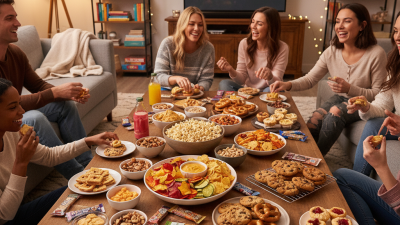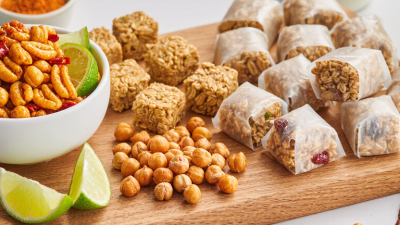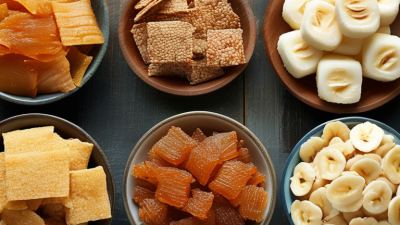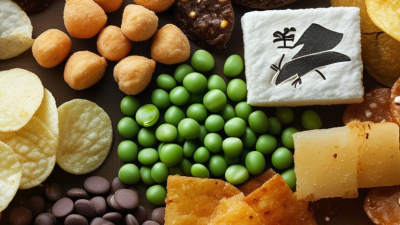
Global buyers are reshaping the snack foods market through changing tastes, tighter standards, and practical purchasing habits. They want products that travel well, taste familiar, and still offer a clear point of difference. A roasted chickpea snack may appeal in one market, while seaweed crisps or plant-based bars perform better elsewhere. Local preference matters.
David Turner, a former Global Food and Drink Analyst at Mintel, observed, “Consumers are looking for products that deliver on taste, health, and convenience.” This statement captures the difficult balance facing international buyers. A snack may claim high protein, reduced sugar, or natural ingredients, but buyers still examine texture, shelf life, packaging, and ingredient transparency. Claims must be supported by reliable documentation.
Taste comes first.
In practical sourcing, successful snack foods often combine familiar formats with regional inspiration. Whole-grain crackers, dried fruit, nuts, popcorn, and baked chips remain widely considered because they suit multiple retail channels. Buyers may also assess portion size, recyclable packaging, allergen declarations, and storage performance under humid conditions. These details can decide whether a product survives beyond a trade show sample.
However, no single product leads every market. That assumption is too simple. Consumer research can miss cultural habits, price sensitivity, or unexpected flavor resistance. Experienced buyers therefore request samples, compare customer feedback, and test small shipments before scaling orders. This cautious process supports better decisions and protects brand credibility. The strongest snack foods are not merely trendy; they are consistent, transparent, and adaptable.
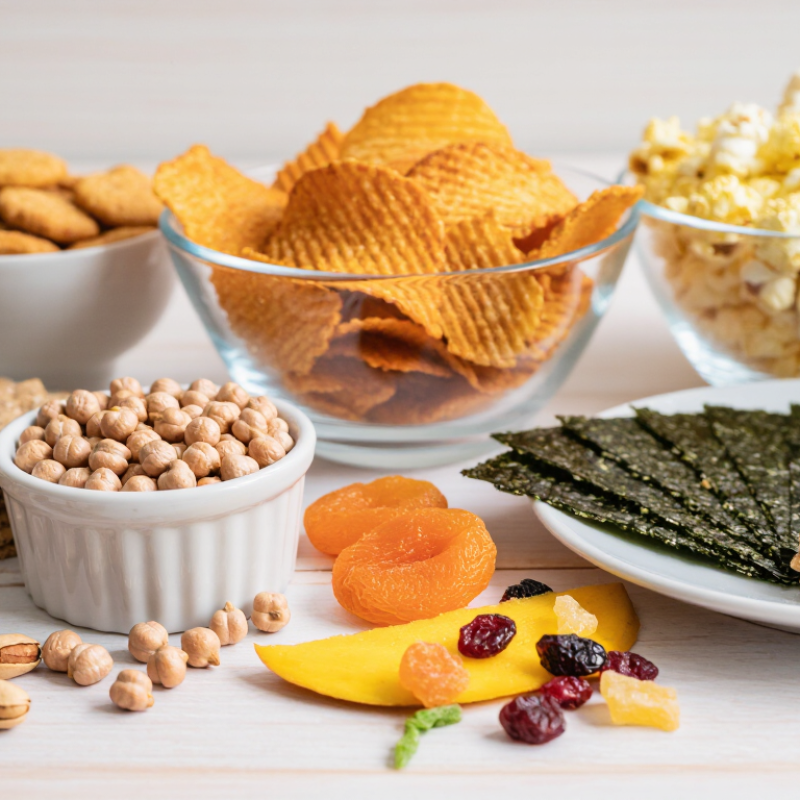
Global snack rankings should begin with measurable buyer criteria, not novelty. Taste remains essential, but repeat purchasing also depends on price, nutrition, portability, and shelf stability. A 30-gram pack should survive warm warehouses, long transit, and rough handling without losing texture. Shelf life matters.
Market evidence supports frequent demand. The 2024 IFIC Food & Health Survey found that 73% of Americans snack at least once daily. This finding is country-specific, yet it highlights how often consumers evaluate snack value. Innova Market Insights’ 2024 global research also identifies health and emotional well-being as important areas of consumer interest. Rankings should therefore examine sugar, sodium, protein, fiber, and portion clarity. Claims must match the ingredient list and local labeling rules.
Global buyers also score operational reliability. They examine minimum order quantities, carton efficiency, allergen controls, certificates, and delivery consistency. Euromonitor International’s Voice of the Consumer: Health and Nutrition 2024 shows that health expectations vary sharply by market.
A low-sugar formula may appeal in one region but taste too plain elsewhere. Local preference matters. Sustainability deserves practical scoring, including packaging weight, recyclability, and transport distance.
However, a neat scorecard can still mislead. Survey opinions do not always predict repeat orders. A product may win a tasting test, then fail because its pack is difficult to open. Experienced buyers should combine consumer data with trial shipments, complaint records, and retailer feedback before assigning a final rank.
Global snack buyers often begin with familiar categories, then look for local character. Nuts and seeds appeal across markets because they offer crunch, protein, and simple ingredients. Roasted chickpeas and lentil snacks also attract consumers seeking plant-based options. Their compact formats suit office drawers, school bags, and travel packs. However, texture matters. A crisp product can lose its appeal after exposure to humidity.
Baked crackers, filled biscuits, and savory grain snacks have broad international reach. Mild seasoning travels more easily than extreme heat. Sea salt, herb, onion, and lightly smoky flavors usually provide a safer starting point. Dried fruit and fruit-based chews bring natural sweetness, bright colors, and convenient portion sizes. Buyers still inspect sugar levels, moisture control, and ingredient clarity. Small packs often perform well where shoppers prefer trial purchases.
Confectionery remains attractive, especially in giftable and shareable formats. Chocolate-coated pieces, soft candies, and wafer snacks can create strong emotional appeal. Yet heat resistance becomes essential in warmer shipping routes. Packaging must protect shape, freshness, and aroma without creating excessive waste. Export teams should check allergen statements, language requirements, recycling marks, and shelf-life evidence for each destination. I have seen attractive concepts fail because the flavor felt too unfamiliar or the seal was weak. International appeal is not automatic. It needs testing with real buyers, not assumptions.
| Snack Category | Common Product Formats | Representative HS Classification | Key International Appeal | Typical Buyer Priorities | International Trade Profile | Global Buyer Potential |
|---|---|---|---|---|---|---|
| Nuts and Seeds | Roasted nuts, mixed nuts, nut pieces, kernels, seed mixes, coated nuts | HS 0801, 0802 and 1202, depending on the product and processing stage | Portable, nutrient-dense and suitable for both traditional and modern snack occasions | Food safety, allergen control, freshness, roast profile, portion sizes and resealable packaging | Strong cross-border demand; shelled and processed products are commonly traded in retail and food-service channels | Very High |
| Potato and Root-Vegetable Snacks | Potato chips, crisps, cassava chips, sweet-potato chips and vegetable crisps | HS 2005.20 for prepared or preserved potatoes; other products may fall under different headings | Recognizable texture, easy consumption and strong compatibility with local seasonings | Crunch, flavor consistency, oil quality, packaging protection and shelf life | Widely distributed through supermarkets, convenience stores, vending and food-service outlets | Very High |
| Biscuits and Cookies | Sweet biscuits, filled cookies, crackers, wafers and sandwich biscuits | HS 1905.31 for sweet biscuits; other bakery products may use related HS 1905 codes | Long shelf life, familiar formats and suitability for breakfast, tea time and lunch boxes | Crispness, breakage resistance, moisture protection, pack size and halal or allergen requirements | One of the most exportable baked-snack categories because of ambient storage and efficient transport | Very High |
| Chocolate and Sugar Confectionery | Chocolate bars, molded pieces, filled confectionery, gummies, hard candies and soft candies | HS 1704 for sugar confectionery; HS 1806 for chocolate and cocoa preparations | Strong gifting culture, indulgence appeal and broad acceptance across age groups | Temperature stability, cocoa or sugar quality, attractive packaging, labeling and seasonal presentation | Highly internationalized category, although heat-sensitive products require careful logistics and storage | High |
| Cereal, Corn and Rice Snacks | Puffed cereal snacks, extruded snacks, rice crackers, corn chips and breakfast-style snack bars | HS 1904 for certain prepared cereal products; classification varies by ingredients and processing | Light texture, convenient formats and flexibility for savory, sweet and spicy flavor profiles | Low breakage, flavor adhesion, ingredient transparency, portion control and convenient packaging | Suitable for mass retail and private-label sourcing, with recipes often adapted to regional tastes | High |
| Dried Fruit | Raisins, dates, figs, mango, banana, berries and mixed dried-fruit packs | HS 0813 for many dried fruits; some products retain their original fruit classification | Natural sweetness, portability and use in snacks, baking, cereals and trail mixes | Moisture control, texture, sulfite declaration, origin information, cleanliness and resealable packs | Well suited to ambient international distribution when moisture and pest-control standards are met | High |
| Popcorn | Microwave popcorn, ready-to-eat popcorn, caramel popcorn and seasoned popcorn | Classification varies; prepared cereal-based products may fall under HS 1904 or related headings | Entertainment association, low-cost sharing format and strong potential for flavor innovation | Pop consistency, aroma, moisture protection, bag performance and seasoning distribution | Growing cross-border potential, particularly for shelf-stable ready-to-eat and portion-controlled formats | Medium to High |
| Pretzels, Breadsticks and Savory Baked Snacks | Pretzels, breadsticks, savory biscuits, cheese-flavored baked pieces and snack crackers | HS 1905.90 for certain other bread, pastry and biscuit products | Crisp texture, easy portioning and compatibility with dips, beverages and social occasions | Baking quality, salt level, breakage resistance, pack efficiency and clean ingredient labeling | Stable ambient products with good suitability for retail, hospitality and food-service distribution | Medium to High |
Note: HS classifications are representative rather than universal. Exact classification depends on ingredients, processing method, formulation and the customs rules of the importing country. Buyer potential reflects shelf stability, consumer familiarity, transport practicality and adaptability to regional tastes.
Global buyers are looking beyond familiar potato chips. They want snacks that carry a clear sense of place. In East Asia, crisp rice snacks attract buyers with light texture and savory seasoning. South Asian markets offer roasted chickpeas, spiced lentil bites, and sesame sweets. Latin American suppliers often present plantain chips, toasted corn, and fruit-based treats. These products bring color, aroma, and a stronger cultural story to retail shelves.
European buyers frequently seek simple biscuits, nut-free fruit bars, and baked vegetable crisps. Mediterranean-style roasted seeds and dried fruit also perform well in travel retail. However, regional appeal does not guarantee repeat orders. Texture can soften during shipping. Seasoning may taste too strong. Procurement teams should request samples from different production batches before signing contracts. They should review ingredient declarations, allergen controls, shelf life, carton strength, and moisture protection. Reliable suppliers explain origin claims and provide consistent testing records.
Buyers should study local eating habits instead of copying another market. A sweet snack may sell well in one country but need smaller packs elsewhere. Portion size, language, dietary expectations, and import rules can change the commercial result. My first instinct is to favor bold flavors, but that can be a mistake. A product can be traditional and still need safer packaging or clearer labeling. Small defects matter. During a pilot order, buyers can compare seal quality, flavor consistency, customer feedback, and delivery performance.
Global buyers often prioritize nuts, dried fruit, baked crisps, cereal snacks, and protein bars. These products travel well, but shelf stability does not guarantee safety. The World Health Organization reports that unsafe food causes about 600 million illnesses and 420,000 deaths yearly. That figure makes supplier verification more than a paperwork exercise. Buyers should review hazard analysis, allergen controls, microbiological testing, traceability, and recall procedures. A factory audit should also inspect real production areas, not only certificates. Small details matter, including clean conveyor joints and sealed ingredient bins.
Labeling creates another major risk. The United States recognizes nine major food allergens, including sesame, while European rules require declaration of fourteen allergens. Exporters must adapt labels to each destination, using approved names, readable nutrition panels, accurate net quantities, and clear date markings. Codex Alimentarius provides widely used international guidance, but local rules still prevail. According to the FAO and WHO, Codex standards support consumer protection and fair food trade. They do not replace legal review. A “natural” claim can still confuse buyers. A short ingredient list can still hide cross-contact risks. In practice, translation errors, inconsistent serving sizes, and outdated artwork remain common inspection findings. Quality is never finished.
Global buyers often shortlist roasted nuts, dried fruit, rice crackers, popcorn, and high-fiber snack bars. These products travel well when moisture control and packaging are managed carefully. Demand varies by region, however. A lightly salted nut mix may suit one market, while a sweet dried-fruit blend performs better elsewhere. Taste testing should include local consumers, not only purchasing teams.
Supplier evaluation begins with consistent quality. Buyers usually request product samples, ingredient specifications, allergen controls, shelf-life data, and batch traceability records. A reliable supplier should explain how raw materials are inspected and how damaged packaging is handled. Factory audits can reveal practical details, such as storage temperature, cleaning routines, and production capacity. Certificates matter, but they do not replace physical checks. That is easy to forget.
Cost analysis must include more than the quoted unit price. Buyers should calculate packaging, testing, freight, insurance, duties, warehousing, and possible currency changes. Smaller trial orders may cost more per case, yet they reduce the risk of unsold inventory. Minimum order quantities also affect market fit. A supplier offering flexible packaging sizes can support regional testing. This is often more valuable than a small discount.
Some evaluations remain imperfect. Sales forecasts may rely on limited store data, and consumer preferences can shift quickly. I would compare at least two production cycles before making a large commitment. Clear communication helps, but written specifications protect both sides when expectations change.