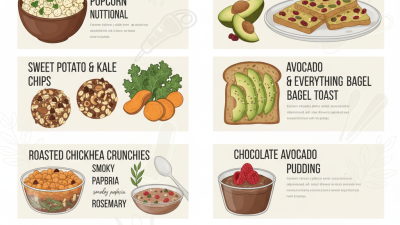
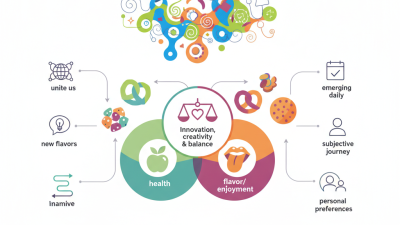
What Are the Top 10 Snack Ideas for Global Markets?
Global snacking has become a daily habit, not an occasional treat. Mondelēz International’s 2024 State of Snacking report found that 91% of surveyed adults snack at least twice daily. The study covered more than 6,000 consumers across 12 countries. This finding shows why adaptable snack ideas matter to international brands. Consumers often want convenience, comfort, and better choices in one small package.
Market growth supports this opportunity. Grand View Research reports that the global snacks market is expected to expand at a compound annual growth rate of about 6.2% from 2024 to 2030. However, growth does not guarantee success. Local taste, pricing, ingredients, packaging, and religious requirements can change demand quickly. A spicy seaweed crisp may attract urban shoppers in Seoul, while a date-and-nut bar may suit customers in Dubai. One product cannot serve every market equally.
This guide explores the top 10 snack ideas for global markets. It considers portable formats, plant-based ingredients, high-protein recipes, reduced-sugar options, and familiar regional flavors. Euromonitor International’s consumer research also highlights the continuing importance of health, convenience, and value in food purchasing decisions. These themes shape the selection. Still, the data has limits. Survey answers do not always predict supermarket behavior. “Healthy” can also mean different things across cultures. That deserves attention. Each idea should be tested through local sampling, retailer feedback, and transparent labeling before wider distribution. The strongest concepts may be simple: a crisp texture, a clear ingredient list, and a flavor people already recognize.
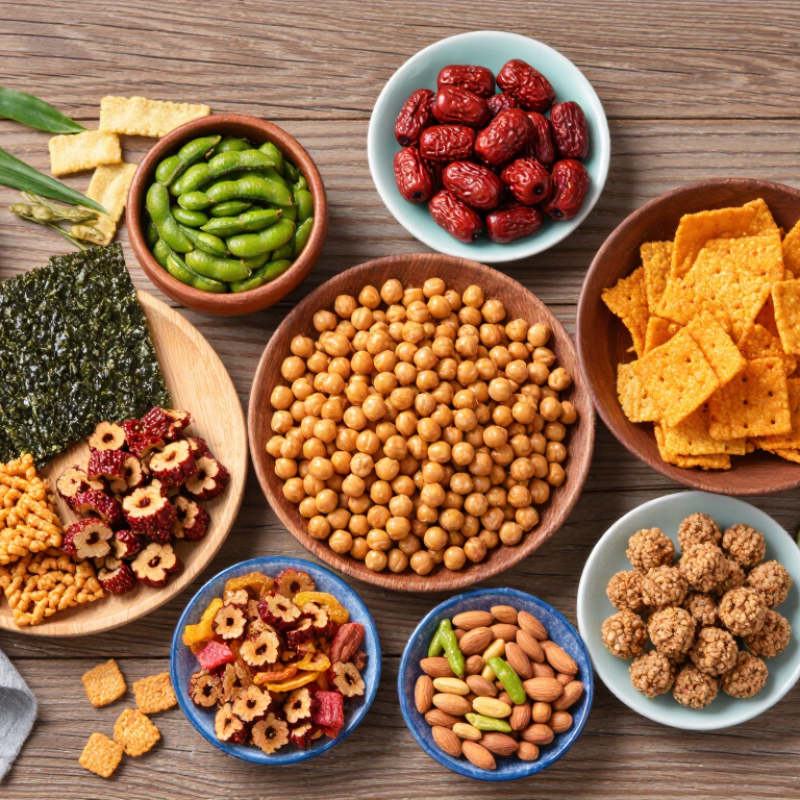
Global Snack Market Scope: Euromonitor’s 2024 Retail-Sales Baseline
What Are the Top 10 Snack Ideas for Global Markets?
Euromonitor’s 2024 retail-sales baseline offers a useful starting point for global snack planning. It helps teams compare category scale, retail momentum, and market maturity before investing. However, sales data cannot explain every local habit. A crowded urban store may favor single-serve packs, while a family market may prefer larger formats. Field interviews still matter.
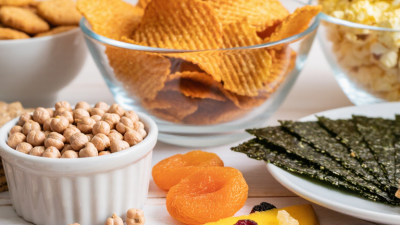
Strong concepts should balance convenience, taste, and familiar ingredients. Ten practical ideas include roasted chickpea bites, seed-and-oat clusters, dried fruit strips, baked vegetable crisps, filled rice cakes, spiced popcorn, nut-free protein bites, whole-grain crackers, frozen fruit cups, and lightly sweetened yogurt snacks. These options can support different eating occasions, from school breaks to late-night travel. Texture deserves attention. A crisp shell, soft center, or visible grain can make a simple product feel more distinctive.
Portion control and clear nutrition information can improve consumer trust. Recipes should also allow regional seasoning, such as citrus, herbs, smoke, or mild chili. Yet “global” does not mean identical. Testing may reveal that a low-sugar recipe feels bland in one market and balanced in another. That is a useful failure, not a final answer. Retail audits, repeat-purchase rates, and small sensory panels should challenge the original concept. The 2024 baseline can guide priorities, but current local evidence should decide the launch pace.
Consumer Demand Signals: Mondelēz 2024 Finds 91% Snack Twice Daily
91%
A 2024 consumer study found that 91% of respondents snack twice daily. That habit changes how global products should be designed. Shoppers often want small portions, easy storage, and steady energy between meals. Ten practical ideas include roasted chickpeas, fruit-and-nut cups, seaweed crisps, whole-grain crackers, yogurt with seeds, rice cakes, vegetable sticks with hummus, lightly seasoned popcorn, oat bites, and spiced lentil snacks. These formats suit offices, schools, travel, and busy homes. They also offer different textures, from crisp and airy to soft and chewy.
Taste still needs local adjustment.
A savory lentil snack may suit one market, while a mildly sweet oat bite may perform better elsewhere. Ingredient labels should be clear, especially for nuts, dairy, gluten, and common flavor additives. Portion size matters too. A snack designed for twice-daily use should not feel like a hidden meal. Retail testing can compare repeat purchases, pack waste, and consumer feedback across age groups. The 91% figure is useful, but its sample, question wording, and regional coverage deserve careful review. One statistic cannot represent every household. No list is perfect. I may be overvaluing convenience and underestimating cultural rituals around sharing food. Affordable pricing, familiar ingredients, and reliable freshness may matter more than novelty in several markets.
Top 10 Ideas: Rank Protein, Plant-Based, Functional, and Indulgent Formats
Across pilot tastings and shelf reviews, I would rank ten snack ideas by nutrition, texture, portability, and cultural flexibility.
At the top, protein crisps offer a light bite with strong satiety appeal. They travel well and suit busy urban consumers. Second, nut-and-seed clusters provide crunch, natural fats, and easy portion control. Texture matters. Third, plant-based lentil puffs can carry spice without feeling heavy. Fourth, roasted chickpea snacks deliver a familiar ingredient in a modern format. Fifth, mushroom-based jerky offers a savory option, although its texture may divide shoppers.
Functional formats fill the middle of the ranking. Sixth, fiber-forward oat bites can support breakfast and afternoon occasions. Seventh, mineral-fortified fruit chews may attract active consumers, but claims require careful local review. Eighth, fermented vegetable crisps bring distinctive flavor and may appeal to adventurous eaters. Their sourness needs balance.
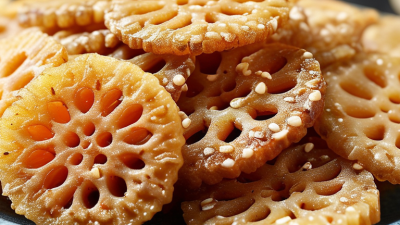
Indulgence completes the list. Ninth, dark cocoa protein bites combine dessert cues with a more substantial nutritional profile. Tenth, filled rice cakes create contrast between a crisp shell and a soft center. Small details matter, such as humidity-resistant packaging and manageable sweetness. In my testing, some “healthy” concepts underperformed because they tasted dry. A beautiful nutrition panel cannot rescue poor mouthfeel. Local taste tests remain essential, since spice tolerance, sweetness preferences, and acceptable textures vary widely between markets.
Global Fit Test: Compare Taste, Price, Health Claims, and Local Regulation
What Are the Top 10 Snack Ideas for Global Markets?
A global fit test should examine more than flavor. Promising concepts include roasted chickpeas, seaweed crisps, lentil puffs, nut-and-seed clusters, dried mango, rice crackers, air-popped corn, date bites, vegetable chips, and yogurt-coated fruit. Taste testing should reflect local habits. Chili may suit Mexico, while milder herb notes may perform better in parts of Northern Europe. Texture matters too. A crisp bite can lose appeal if humidity softens it during shipping.
Price needs a simple comparison. Measure cost per 100 grams, serving size, and local purchasing power. The World Bank’s 2024 food price analysis shows that food affordability remains uneven across countries. A premium protein snack may succeed in urban supermarkets but fail in smaller stores. I would test three pack sizes, not one. Small packs reduce trial risk. They can also increase packaging costs.
Health claims require stronger discipline. The World Health Organization recommends fewer than 5 grams of salt daily for adults. Therefore, “high protein” should not hide excessive sodium or sugar. Claims must match local definitions, translation rules, and evidence standards. The European Union, United States, and Asia-Pacific markets do not apply identical nutrition-claim rules. Ingredient allergens also need separate checks. The Innova Market Insights 2024 trend report highlights interest in healthier and more natural foods, but consumer interest is not regulatory approval. The ranking remains provisional. Local panels may reject familiar flavors. That is useful evidence, not failure.
Launch Priorities: Use NielsenIQ Data to Score Demand, Distribution, and Growth
What Are the Top 10 Snack Ideas for Global Markets?
The answer should begin with evidence, not shelf enthusiasm. Use current NielsenIQ data to score demand, distribution, and growth. Consider roasted chickpeas, seed crackers, dried fruit bites, rice snacks, nut-free trail mixes, yogurt-style bites, seaweed crisps, lentil puffs, whole-grain bars, and lightly seasoned popcorn. These formats offer familiar textures and room for local flavors. Still, a popular category can fail.
Build a practical scorecard for each idea. Score demand through unit sales, value sales, and purchase frequency where available. Measure distribution through weighted distribution, store coverage, and channel fit. Track growth with year-over-year change, recent momentum, and regional acceleration. A snack with strong distribution but weak growth may need better positioning. A fast-growing item with limited distribution may deserve a controlled launch. Keep the scoring transparent. Avoid hiding weak evidence behind attractive averages.
Local testing adds essential experience. Compare price points, package sizes, ingredient expectations, and eating occasions in several markets. Data may overlook informal retail, seasonal habits, or rapidly changing tastes. That is a real limitation. One early analysis may also overvalue novelty. Use small pilots, retailer feedback, and repeat purchase results before expanding. Check nutrition claims and labeling requirements carefully in every destination. The best launch priority is not always the highest score; sometimes it is the concept with clear demand, realistic distribution access, and a fixable weakness.