2026 Best Healthy Snacks for Wholesale Buyers?
Wholesale buyers entering 2026 face a crowded snack market, rising ingredient costs, and shoppers demanding clearer nutrition. The best healthy snacks must satisfy more than one need. They should offer practical nutrition, dependable shelf life, attractive packaging, and steady consumer appeal.
Michael Pollan, a respected food writer and nutrition authority, offers a useful principle: “Eat food. Not too much. Mostly plants.” His words remain relevant for buyers evaluating roasted nuts, dried fruit, seed crackers, whole-grain bites, and lower-sugar protein snacks. Yet wholesale decisions require more detail. A product can look wholesome while carrying excessive sodium, added sugar, or confusing serving information.
This guide examines 2026 opportunities through a buyer’s lens. It considers ingredient quality, portion control, allergen communication, certifications, case pricing, and retail presentation. A carton should survive transport without crushed bars or leaking pouches. A snack should also make sense beside coffee counters, school-safe ranges, office shelves, or fitness displays.
No shortlist is perfect. Consumer preferences change quickly. Some buyers may also overvalue trendy ingredients and underestimate repeat purchases. That is where careful sampling matters. Compare texture after storage, not just the first bite. Review supplier records, nutrition panels, and production consistency before placing larger orders.
The strongest choices will balance taste, nutrition, margin, and trust. This overview aims to help wholesale buyers identify dependable products, avoid vague health claims, and build a more relevant snack assortment for 2026.
Market Trends Shaping Healthy Snack Wholesale in 2026
In 2026, healthy snack wholesale will follow practical nutrition, not vague wellness claims. Buyers should watch protein, fiber, lower sugar, and recognizable ingredients. Portable formats will remain important for offices, schools, travel, and convenience stores. According to the 2024 Food & Health Survey from the International Food Information Council, 73% of Americans snack at least once daily. That frequency creates steady demand, but it also raises expectations for taste and satiety.
Keep it practical.
Grand View Research projects the global healthy snacks market to grow at a 6.2% compound annual rate through 2030. This supports wider assortments, including roasted pulses, seed-based bites, dried fruit with no added sugar, and portion-controlled oat snacks. Wholesale buyers should examine protein and fiber per serving, allergen statements, shelf life, and packaging durability before ordering large volumes. Innova Market Insights’ consumer research also highlights interest in functional benefits, especially digestive health and energy support. However, “functional” wording needs careful verification. A bold claim can attract attention, yet weak evidence may damage buyer trust.
Sustainability is becoming more specific. Recyclable packaging helps, but buyers should also request sourcing details and realistic disposal guidance. Forecasts are useful, not perfect. Regional tastes, pricing pressure, and inflation can quickly change product performance. Small trial orders may reveal more than optimistic market projections.
2026 Healthy Snack Wholesale Trends
Daily snacking remains a strong purchasing occasion, with hunger, taste, energy and convenience among the leading reasons consumers choose snacks. For wholesale buyers, this supports expanding assortments across high-protein, better-for-you, portable and portion-controlled products.
Source: International Food Information Council, 2024 Food & Health Survey. Percentages represent U.S. consumers selecting each reason for snacking; responses were not mutually exclusive.
Core Nutrition Standards for Selecting Wholesale Snacks
2026 Best Healthy Snacks for Wholesale Buyers?
Core Nutrition Standards for Selecting Wholesale Snacks
Wholesale snack selection should begin with a clear nutrition standard, not attractive packaging. I look for moderate added sugar, useful protein, meaningful fiber, and controlled sodium. Serving sizes must reflect realistic eating habits. A tiny serving can make weak nutrition appear stronger. That deserves scrutiny.
Ingredient lists should be short, readable, and consistent with the product’s claims. Buyers should request current nutrition panels, allergen controls, shelf-life records, and independent testing when appropriate. Products should also arrive in clean, sealed packaging with clear lot codes. Storage conditions matter. A nutritious snack loses value if heat damages texture or freshness before sale.
I also assess practical performance: case size, breakage, replenishment speed, and customer feedback from sampling. A snack may meet nutrition targets but sell poorly because it is too dry or difficult to open. That is an important flaw. No checklist is perfect. I have seen buyers overvalue low calories while overlooking weak protein and poor satiety. Taste, nutrition, safety, and reliable documentation must be reviewed together. Suppliers should answer questions directly and update records when formulas change. Small inconsistencies can create costly confusion across warehouses and retail channels.
Top Healthy Snack Categories for Different Consumer Needs
2026 Best Healthy Snacks for Wholesale Buyers
Top Healthy Snack Categories for Different Consumer Needs
Wholesale buyers should build a mixed snack portfolio, not one “healthy” shelf. The IFIC 2024 Food & Health Survey reported that
73% of Americans snack at least twice daily.
That frequency creates demand for practical nutrition, clear labels, and varied formats.
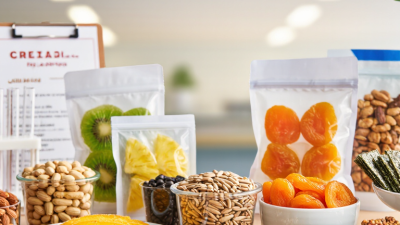
Protein-rich snacks suit active consumers and shoppers seeking longer-lasting satiety. Consider roasted legumes, seed mixes, and shelf-stable protein bites.
Fiber-focused options, such as dried fruit with no added sugar or whole-grain crisps, support digestive-health interest.
However, high protein does not automatically mean balanced nutrition. Buyers should check sodium, saturated fat, and serving size through verified nutrition panels.
Portion-controlled snacks serve office workers, families, and calorie-conscious shoppers. Small packs can reduce waste and simplify inventory rotation.
Allergen-aware categories also deserve space, including snacks made without common allergens and products with transparent cross-contact statements.
A 2024 global snacking survey found that 91% of consumers snack daily, while many use snacks to replace meals. This supports convenient, nutrient-dense formats, but meal replacement remains a personal choice.
For lower-sugar demand, compare total sugars, added sugars, and sweetener content. Do not rely on front-label claims alone. Buyers should review laboratory documentation and current market requirements before listing products.
Needs overlap imperfectly. A fiber-rich snack may still be high in sugar, and a protein snack may lack meaningful fiber. That tension requires careful assortment testing, not assumptions.
Evaluating Suppliers, Packaging, Shelf Life, and Compliance
For 2026 wholesale buying, healthy snacks should be judged beyond clean ingredients and attractive nutrition claims. A reliable supplier shares production records, ingredient specifications, allergen controls, and recent test results. Ask how often facilities review these documents. I also request a sample carton before approving a large order. It reveals crushed corners, inconsistent seals, and confusing case labels. Small details matter.
Packaging must protect texture during storage and transport. Moisture-sensitive bars may need high-barrier film, while roasted snacks need strong oxygen control. Check case dimensions, pallet stability, recycled content, and disposal instructions. Shelf life should be supported by real-time or accelerated stability data, not a printed guess. Compare the remaining shelf life at delivery with your warehouse cycle and promotional calendar. A twelve-month claim may fail if six months disappear in transit. That risk is easy to miss.
Compliance needs practical verification. Review ingredient lists, nutrition panels, allergen declarations, lot codes, and country-specific labeling requirements before purchase. Request a traceability exercise: the supplier should identify affected lots quickly from a shipment record. Certificates can help, but they do not replace checking the actual label. I have seen polished packaging hide outdated information. That deserves scrutiny. Leave room for honest doubt. A supplier who explains limitations clearly may be safer than one promising perfection.
Building a Profitable and Balanced Wholesale Snack Portfolio
Building a Profitable and Balanced Wholesale Snack Portfolio
Wholesale buyers need more than attractive nutrition claims. They need products that sell repeatedly, travel well, and protect margins. The 2024 Food & Health Survey from the International Food Information Council reported that 73% of Americans snack at least twice daily. That frequency creates room for multiple price points, not one crowded premium tier.
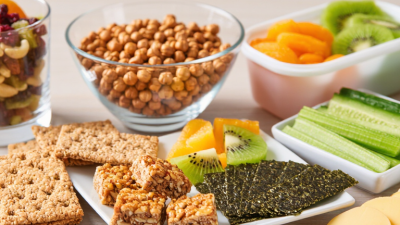
Build the range around clear roles. Include roasted legumes for protein, unsweetened dried fruit for convenience, whole-grain crisps for familiar texture, and portioned options for workplace or travel channels. The International Food Information Council also found that consumers commonly consider healthfulness, taste, and price when choosing food. Shelf labels should therefore show protein, fiber, added sugar, pack size, and serving cost in plain language.
Numbers matter more than clever packaging. Track weekly sell-through, gross margin, repeat orders, damaged units, and remaining shelf life. A practical starting mix might allocate 40% to familiar everyday snacks, 35% to better-for-you innovations, and 25% to trial-sized products. The balance may need correction. A protein-heavy portfolio can look modern but feel repetitive on a real shelf. Conversely, too many niche flavors can trap cash in slow inventory. The USDA FoodData Central database can support nutrition verification, while supplier audits should confirm allergen controls, traceability, and batch consistency before larger purchase orders.
2026 Best Healthy Snacks for Wholesale Buyers? - Building a Profitable and Balanced Wholesale Snack Portfolio
| Snack Category |
Typical Product Format |
Serving Size |
Calories |
Protein |
Fiber |
Added Sugar |
Typical Ambient Shelf Life |
Wholesale Buying Considerations |
| Roasted Chickpeas |
Seasoned, ready-to-eat legumes |
28 g |
120–140 kcal |
5–6 g |
4–5 g |
0–3 g |
6–12 months |
Plant-based, high-fiber positioning; verify sodium levels and package crispness. |
| Mixed Nuts |
Portioned unsalted or lightly salted nuts |
28 g |
160–190 kcal |
5–6 g |
2–4 g |
0 g |
6–12 months |
Premium energy-dense option; requires allergen controls and protection from rancidity. |
| Seeds and Seed Clusters |
Pumpkin, sunflower, chia, or seed-based clusters |
28 g |
130–170 kcal |
5–8 g |
2–5 g |
0–6 g |
6–12 months |
Good protein and mineral story; compare cluster binders, sugar, and breakage rates. |
| Whole-Grain Crackers |
Baked crackers made with whole-grain flour |
28–30 g |
110–140 kcal |
3–5 g |
2–4 g |
0–3 g |
6–12 months |
Versatile for office, school, and travel channels; assess whole-grain percentage and sodium. |
| Air-Popped Popcorn |
Ready-to-eat popcorn with light seasoning |
28 g |
100–140 kcal |
2–4 g |
3–5 g |
0–4 g |
4–9 months |
Strong volume-to-calorie value; moisture-barrier packaging is important for freshness. |
| Dried Fruit |
Unsweetened or lightly treated fruit pieces |
30 g |
75–110 kcal |
1–2 g |
2–4 g |
0–12 g |
6–12 months |
Natural sweetness supports better-for-you assortments; distinguish intrinsic from added sugars. |
| Fruit and Nut Bars |
Pressed bars with fruit, nuts, and seeds |
35–45 g |
150–220 kcal |
3–8 g |
3–6 g |
0–10 g |
6–12 months |
Portable single-serve format; compare texture stability, wrapper integrity, and sugar sources. |
| High-Protein Snack Bars |
Bars formulated with dairy or plant protein |
45–60 g |
170–250 kcal |
10–20 g |
3–8 g |
0–8 g |
6–12 months |
Higher price-point opportunity; evaluate protein source, texture, claims, and allergen declarations. |
| Baked Vegetable Chips |
Thin baked slices or vegetable-based crisps |
25–30 g |
110–150 kcal |
1–3 g |
2–4 g |
0–3 g |
6–12 months |
Adds color and variety to displays; review actual vegetable content and oil use. |
| Plain or Lightly Sweetened Oat Cups |
Single-serve instant oats with optional toppings |
40–60 g dry |
150–240 kcal |
4–8 g |
4–7 g |
0–10 g |
9–18 months |
Useful for workplace and hospitality channels; confirm preparation needs and cup-seal durability. |
Data note: Nutritional values are representative ranges for common formulations per stated serving size. Actual values vary by recipe, processing method, fortification, and portion size. Shelf-life estimates assume unopened packaging stored in a cool, dry environment; buyers should confirm specifications, testing, and local labeling requirements before purchase.