What Are the Best Snack Options from China for Buyers?
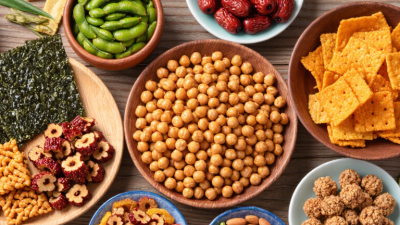
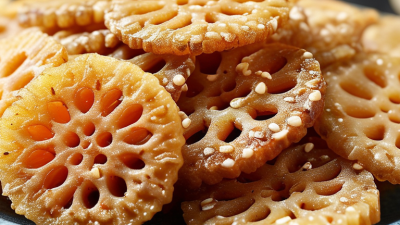
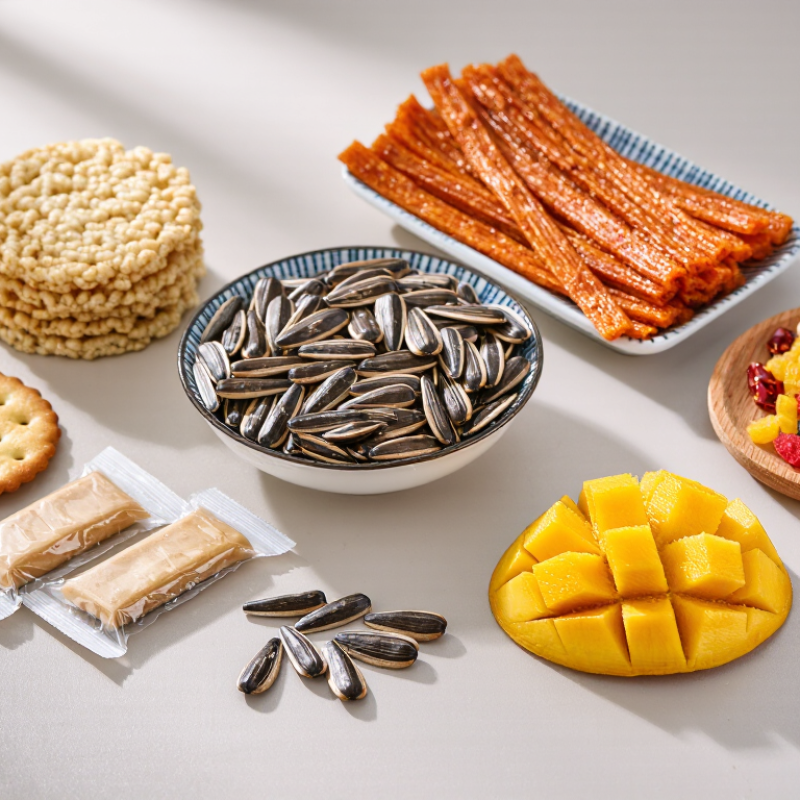
China’s snack market gives buyers a wide choice, from roasted sunflower seeds and dried fruit to rice crackers, biscuits, and spicy snacks. The best snack options depend on the customer, sales channel, and price point. A sweet mango slice may suit a convenience store, while individually wrapped crackers can work better in an office or travel setting. Small details matter. Flavor strength, portion size, and texture can shape repeat purchases as much as the product name does.
For a reliable comparison, buyers can review ingredient lists, nutrition information, shelf life, and packaging specifications. Ask for samples. Check whether pouches seal firmly and protect crisp products from moisture. For dried fruit or nuts, compare pieces for size, color, and consistency across batches. A supplier’s brochure is useful, but it cannot replace tasting and checking product documents. Requirements for labels and food imports vary by destination, so buyers should confirm current rules with relevant local authorities or qualified advisers. I would not call any one category universally best; that sounds tidy, but real customer preferences are less predictable. Start with a small assortment, gather feedback, and adjust the mix. A careful choice balances flavor, quality, price, and dependable supply.
How to Define the Best Chinese Snacks for Your Market
The best Chinese snack is not one universal product; it is the one that fits a specific market, shopper, and sales channel.
Define your target buyer before comparing samples. Are they looking for a mild desk snack, a crisp treat for sharing, or a bold flavor for adventurous eaters? A pack of seasoned rice crackers may suit convenience stores, while individually wrapped pastries may work better for office breaks. Taste matters. So does portion size, texture, price, and how clearly the packaging explains the flavor. Regional food traditions offer variety, but buyers should not assume every shopper knows them.
Test samples with people who resemble your intended customers.
Ask what they would buy again, not only what tastes interesting once. Check whether crackers arrive intact, whether fried snacks leave visible oil marks, and whether resealable packs stay closed after opening. Small details count. Review ingredient and allergen information with qualified sourcing or compliance staff, and confirm that translations are clear for your market. Compare shelf life, storage needs, minimum order quantities, and supply consistency. A spreadsheet can make a weak choice look convincing. It cannot replace a real tasting. Even a careful first selection may miss the mark, so use a small pilot and adjust based on actual feedback.
Which Traditional and Modern Snack Categories Are Available?
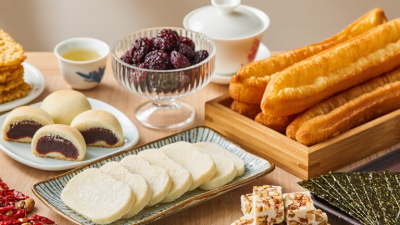
China’s snack shelves span familiar traditional foods and newer convenience formats. Traditional choices include rice crackers, sesame brittle, walnut pastries, and steamed or baked cakes. Their textures vary: a rice cracker may be crisp and airy, while a pastry can be dense and flaky. Preserved plums, dried mango, and other fruit snacks offer sweet, tart, or salty notes. Roasted sunflower seeds, broad beans, and peas add a savory crunch. Seaweed sheets and seasoned tofu snacks bring stronger, more distinctive flavors. Small packs suit sampling; larger bags work for sharing.
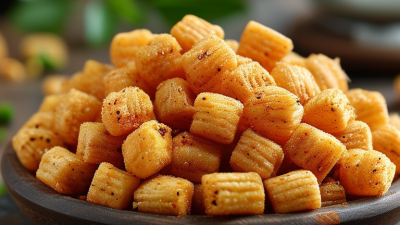
Modern categories often adapt these flavors into baked chips, puffed grain snacks, mixed nuts, and individually wrapped bites. Some combine chili, citrus, or savory seasoning, so tasting samples matters before selecting a full shipment. Check ingredient lists, allergen statements, pack sizes, and shelf-life details with suppliers. These points affect storage and customer expectations. Category labels can be imperfect: a product described as “traditional” may use modern processing or packaging. Buyers should review the actual ingredients and texture, not rely on the label alone. A crisp snack that softens during transit is a poor fit.
What Are the Best Snack Options from China for Buyers?
Traditional and modern snack categories at a glance
The chart compares curated examples, not sales, market share, or popularity. Traditional options include preserved fruit, roasted seeds, and sesame sweets; modern options include seaweed crisps, baked vegetable snacks, and fruit-and-nut bites. Product styles and availability vary by supplier.
What Regional Snacks Offer Distinctive Chinese Flavors?
Regional snacks reveal Chinese flavor through local ingredients and cooking methods. Sichuan-style broad beans often pair chili with numbing pepper, creating heat that lingers. In Hunan, dried or smoked flavors can taste deeper and more savory. Guangdong snacks tend toward lighter seasoning, with seafood, citrus peel, or gentle sweetness. Texture matters too: a crisp rice cracker and a chewy rice cake communicate different traditions, even when both use familiar grains.
There is range. iiMedia Research’s 2023 China Snack Food Industry Report estimated the national snack-food market at about 1.16 trillion yuan in 2022, showing the scale of buyer interest, though estimates vary by category definition. For sourcing, request samples from more than one region and compare aroma, heat, salt, and aftertaste. Ask suppliers for ingredient and allergen documentation, plus storage-life data; regional recipes can change substantially between producers. A tasting panel helps. I would not assume “Sichuan” always means very hot: some products emphasize pepper fragrance instead. That distinction is easy to miss from packaging alone.
What Are the Best Snack Options from China for Buyers? — What Regional Snacks Offer Distinctive Chinese Flavors?
Examples of regional snacks and their commonly recognized flavor characteristics. Recipes and ingredients can vary by producer and locality.
| Region |
Snack |
Typical Ingredients or Preparation |
Distinctive Flavor |
Texture and Buyer-Relevant Profile |
| Beijing and northern China |
Tanghulu |
Fruit, traditionally hawthorn, coated in hardened sugar syrup and served on a skewer. |
Sweet, tart fruit with a clean caramel-like sugar note. |
A crisp sugar shell contrasts with juicy or firm fruit; a recognizable fruit-based treat. |
| Tianjin |
Mahua |
Wheat dough twisted into strands and deep-fried; versions may be sweet or savory. |
Mildly sweet or savory, with toasted wheat notes. |
Typically crisp and crunchy; a baked-goods-style snack with a distinctive twisted shape. |
| Changsha, Hunan |
Changsha-style stinky tofu |
Fermented tofu, commonly deep-fried and served with a seasoned sauce. |
Pungent fermented aroma, savory flavor, and often chili-garlic heat. |
Crisp exterior and soft interior when freshly prepared; suited to buyers seeking bold, spicy regional flavors. |
| Yunnan |
Rose flower cake |
Flaky pastry filled with rose petals or rose-infused sweet filling. |
Floral, fragrant sweetness with a buttery pastry note. |
Layered and crumbly outside, soft inside; a sweet pastry option with a recognizable floral profile. |
| Fuping, Shaanxi |
Dried persimmon |
Persimmons dried until their moisture is reduced and their sugars become concentrated. |
Rich, naturally sweet fruit flavor with honey-like notes. |
Chewy and dense; a fruit-based snack with no need for a pastry shell or frying. |
| Cantonese region, Guangdong |
Cantonese egg rolls |
Thin egg-based batter cooked into delicate sheets and rolled into crisp pieces. |
Mildly sweet, buttery, and lightly toasted. |
Thin and crisp with a delicate crunch; a familiar pastry-style option for sweet-snack assortments. |
| Xinjiang |
Uyghur-style naan |
Wheat dough baked as flatbread; some varieties are topped with sesame or other seasonings. |
Toasted wheat flavor, sometimes accented with sesame or savory spices. |
Ranges from soft to firm depending on the style; works as a substantial bread snack or accompaniment. |
How Can Buyers Compare Quality, Ingredients, and Shelf Life?
When comparing Chinese snacks, request the same details for every candidate: product specification, ingredient list, nutrition panel, batch number, and production date. Compare like with like. A spicy rice cracker and a dried-fruit snack need different quality checks.
FAO’s 2023 food-loss report estimated that 13.2% of food was lost between harvest and retail in 2021. That figure covers all food, not snacks, but it highlights why handling and turnover deserve attention.
Read ingredients in listed order and check added sugars, sodium, oils, allergens, and flavorings. Ask for a recent certificate of analysis and, where relevant, moisture or water-activity results. For crisp snacks, broken pieces and a soft bite can signal poor protection from moisture. For dried fruit, inspect color and texture across several samples. One sample can mislead.
Shelf life is not just the printed date. Confirm unopened storage conditions, after-opening guidance, and the remaining shelf life on arrival.
UNEP’s Food Waste Index Report 2024 estimated that 19% of food available to consumers was wasted in 2022; it is a broad figure, but stock rotation matters.
Ask suppliers to state date format and shipment temperature in writing. I still find date labels easy to misread across markets, so verify them rather than assume.
What Should Buyers Check Before Importing Chinese Snacks?
Before importing Chinese snacks, assess more than flavor and price. Match each product to its sales channel: individually wrapped rice crackers suit checkout displays, while larger dried-fruit packs may need resealable, moisture-resistant packaging. Request ingredient specifications, allergen statements, nutrition data, production dates, lot codes, and relevant test documents. Confirm that the samples match the commercial batch.
Check that labels meet destination-market requirements, including language, ingredient order, allergen emphasis, and nutrition-panel format. Verify the date-marking method and calculate transit, customs clearance, and warehouse time against the stated shelf life. UNEP’s Food Waste Index Report 2024 estimates that 1.05 billion tonnes of food were wasted in 2022, equal to 19% of food available to consumers. Careful ordering and shelf-life planning can reduce avoidable losses. Still, a checklist cannot replace a real transit test.
Tips: Ask for carton dimensions, case weight, and packing photos before ordering. Test a sealed sample after simulated shipping, then inspect for broken pieces, stale aromas, or softened crisp snacks. A polished sample is not enough; packaging can fail in transit.