Skip to content

What Are the Most Popular Snack Ideas Worldwide?

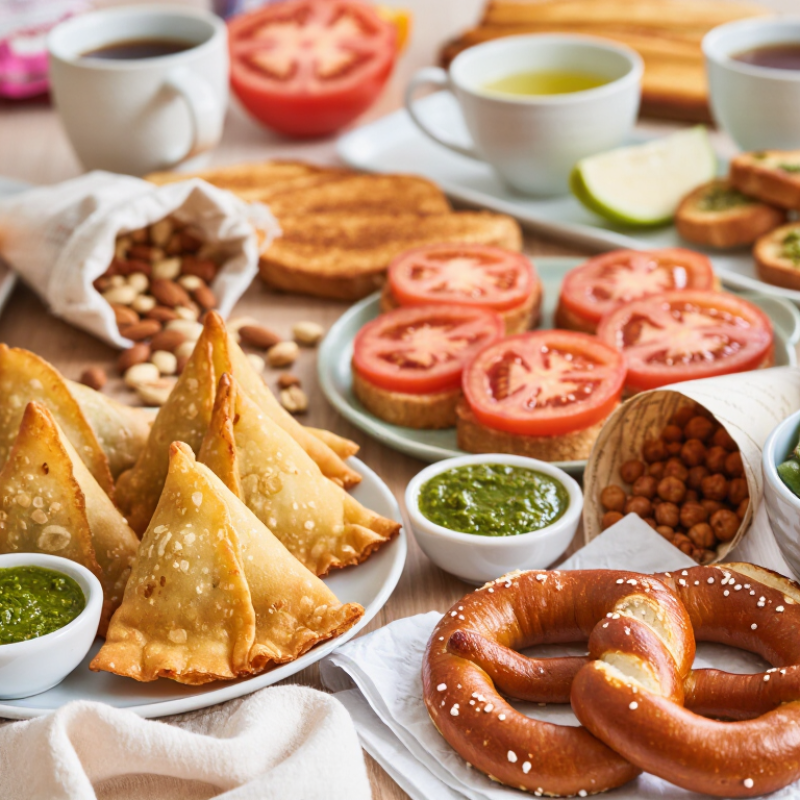
From crisp samosas in South Asia to warm pretzels at European markets, popular snacks reflect local tastes and daily routines. Yet no single list can represent every country, household, or generation. What people choose often depends on ingredients, price, convenience, and the moment: a quick bite between classes, roasted nuts shared on a train, or fruit served with tea. Small details matter.

This introduction explores snack ideas through familiar examples rather than claiming a definitive global ranking. It considers savory and sweet options, street-food favorites, packaged treats, and simple snacks made at home. A bowl of edamame, a slice of toast with ripe tomato, and a paper cone of roasted chickpeas can all answer the same need in different ways. Their appeal is not only flavor; texture, aroma, and ease of sharing count too. Still, popularity can be hard to measure, and online trends do not always reflect everyday eating. That is worth remembering.

The sections that follow will look at how snacks vary across regions and why certain choices travel well. They will also note practical factors such as common ingredients, preparation, and dietary needs. Readers can use these examples as inspiration, while checking labels and adapting recipes to personal preferences. A snack can be modest. It can also tell a story about place, habit, and change.
What Are the Most Popular Snack Ideas Worldwide?

What Defines a Snack Across Different Cultures?

Across cultures, a snack is less a fixed food category than a moment of eating. It may be a quick bite between tasks, a shared plate during conversation, or a pause with tea. The clock matters, but so do setting, portion, and social purpose. In some households, leftover rice becomes an afternoon snack; elsewhere, fruit or roasted seeds fill that role. Small, familiar things. That is one reason no single list can define snacks worldwide.

Ingredients often follow local seasons and practical needs. Street-side vendors may serve warm savory pastries, while coastal families might choose dried fish or crisp seaweed. These foods can be filling, not merely tiny. Calling a snack “light” can miss its role for people working long hours or traveling far. Context changes the meaning.

Custom also shapes whether a food counts as a snack. A bowl shared before dinner may feel like hospitality, not an in-between meal. Children may eat it after school; adults may serve a similar food to guests. Even portion size is an unreliable rule. I would hesitate to label every handheld food a snack: depending on hunger and routine, it may be a full meal. The boundary is imperfect.

What Are the Most Popular Snack Ideas Worldwide?

What defines a snack varies across cultures: it may be a quick bite between meals, a street-food favorite, or a small dish shared with others.

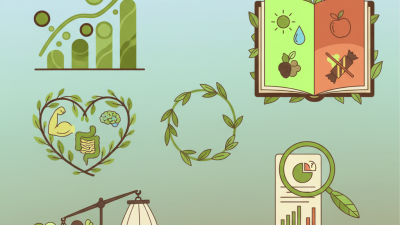
How to read this chart: These bars count examples in a curated set of 12 familiar snacks; they do not rank global popularity or consumption. Examples include samosas and empanadas (filled savory snacks), onigiri and arepas (grain-based bites), fresh fruit and roasted peanuts, and mochi and churros (sweet bites).

Which Snacks Are Popular in Major World Regions?

In East Asia, convenience-store shelves often feature seaweed crisps, rice crackers, roasted nuts, and small filled buns. Euromonitor International’s 2024 regional snack-market analysis tracks strong demand across both savory snacks and sweet biscuits, though popularity varies by country. In South Asia, spiced chickpeas, roasted lentils, and crisp vegetable fritters bring heat and crunch to tea breaks. Across the Middle East, nuts, dates, and sesame-based sweets are common choices, often shared from a bowl.

European snack habits range from salted crisps and savory pastries to yogurt and chocolate. In Latin America, corn-based snacks, plantain chips, and cheese breads are familiar everyday options. North American choices include popcorn, crackers, fruit, and protein-rich snacks. The 2024 International Food Information Council Food & Health Survey found that 56% of Americans snack at least once a day. That figure helps explain why portable, portionable foods are so visible in the region, but it cannot describe every household. This map is imperfect. Local recipes, income, and access to fresh food can shift what people actually eat. A crisp sold everywhere is not necessarily a favorite everywhere.

What Ingredients and Methods Shape These Snack Ideas?

Across many food cultures, snack ingredients reflect what grows nearby and what keeps well. Corn, rice, wheat, cassava, chickpeas, and potatoes provide familiar foundations. Seeds, nuts, herbs, chilies, citrus, and fermented seasonings add aroma or contrast. A crisp bite often depends on moisture: thin slices dry faster, while thick pieces stay tender inside. Small details matter.

Cooking method changes the same ingredient. Dry-roasting nuts or chickpeas concentrates flavor and can create a brittle surface. Steaming keeps rice-based bites soft; baking or pan-toasting makes dough snacks firmer. Deep-frying produces a quick crust, but oil temperature matters: oil that is too cool can leave food heavy. Not every kitchen has identical equipment, so texture is a more useful guide than a strict timer. Listen closely. Check the center, too.

Seasoning is best adjusted in layers. Salt brings out savory notes, while vinegar, tamarind, or lemon can cut richness. A little sweetness may soften sharp heat. For reliable results, keep raw and cooked ingredients separate, wash produce, and cool leftovers promptly. These basics are less exciting, but they matter. Texture can still disappoint; humidity softens crisp snacks, and some recipes need another test. That is part of cooking, not a failure.

What Are the Most Popular Snack Ideas Worldwide? - What Ingredients and Methods Shape These Snack Ideas?

Region Snack Idea Typical Ingredients Common Preparation Method Taste and Serving Notes
South Asia Samosas Wheat-flour pastry; potatoes, peas, onions, and spices such as cumin and coriander Fill pastry with a cooked, seasoned mixture, fold into triangles, and deep-fry or bake Crisp outside with a savory filling; often served with chutney
East Asia Onigiri Cooked short-grain rice, salt, and fillings such as pickled plum, seasoned fish, or vegetables; seaweed is optional Shape the rice by hand or in a mold around a filling Portable and mild, with fillings adding salty, tangy, or savory flavors
East Asia Scallion pancakes Wheat flour, water, scallions, salt, and cooking oil Roll dough with scallions into layers, then pan-fry until crisp and golden Flaky and savory; commonly cut into wedges for sharing
Middle East and Eastern Mediterranean Hummus with vegetables or flatbread Chickpeas, tahini, lemon juice, garlic, olive oil, and salt Blend the ingredients into a smooth dip and serve with fresh vegetables or flatbread Creamy, nutty, and tangy; served as a dip or small plate
Latin America Arepas Precooked cornmeal, water, and salt; optional fillings include cheese, beans, or shredded meat Form dough into rounds and griddle, bake, or fry until cooked and lightly browned Soft and corn-forward; eaten plain or split and filled
North Africa Spiced roasted chickpeas Cooked or canned chickpeas, oil, salt, and spices such as cumin, paprika, or coriander Dry the chickpeas, season, and roast until crisp Crunchy and savory; spices can be adjusted from mild to hot
West Africa Roasted plantain Ripe or semi-ripe plantain; optional salt, pepper, or ground spices Peel and slice the plantain, then roast or grill until tender and browned Sweet when ripe and more starchy when less ripe; often served warm
Europe Potato wedges Potatoes, oil, salt, and optional herbs or spices Cut into wedges, season, and roast or bake until browned and tender Crisp at the edges and fluffy inside; commonly served with a dip
Worldwide Popcorn Dried popping corn; oil or butter and optional salt, herbs, spices, or sugar Heat the kernels in a covered pot or suitable popper until they burst Light and crunchy; can be seasoned with either savory or sweet toppings
Southeast Asia Fresh spring rolls Rice-paper wrappers, rice noodles, lettuce, herbs, and vegetables; shrimp or tofu may be added Soften wrappers in water, add fillings, and roll without frying Fresh and lightly textured; often served with a dipping sauce

How Do Local Traditions Influence Snack Choices?

Local traditions shape snacks long before a bite reaches the table. In parts of Japan, rice crackers pair naturally with tea, reflecting familiar ingredients and everyday hospitality. In Mexico, corn-based street snacks may be topped with lime, chili, or cheese, balancing tang, heat, and savory flavor. These choices are not just recipes. They reflect what grows nearby, what families share, and when people pause to eat.

Small details matter. A snack served during a festival can carry a different meaning from one eaten between classes. In India, roasted chickpeas or spiced puffed rice offer portable crunch, while household spice preferences can change the same basic snack considerably. Climate and work routines also play a role: people may favor foods that travel well or stay satisfying in warm weather. Not everywhere, though. Cities mix culinary influences, and younger eaters often adapt family favorites with new flavors. Tradition guides the choice, but it rarely fixes it. A recipe may also change from one home to the next, so describing any snack as universally “authentic” can miss the point.

How Have Global Trends Changed Popular Snacks?

Global snack habits have changed as travel, migration, and online food videos bring distant flavors into everyday life. A shopper might find seaweed crisps beside familiar potato chips, or chili-seasoned nuts near plain roasted ones. These shifts are visible in many cities, though local tastes still matter more than a single worldwide trend.

Health and convenience have also reshaped popular choices. Some people seek baked snacks, smaller portions, or ingredients they recognize. Others still choose sweet pastries or salty street snacks, especially when price and availability come first. Social media can make a colorful snack trend look universal, but sales and preferences vary by region and household. Packaging has changed too: resealable pouches suit commuters, while single servings fit school bags. Not every “better-for-you” label tells the whole story, so checking sugar and salt remains useful.

Tips: Compare snacks by ingredients, portion size, and how often you eat them, not by trend alone. Try a local version of a new flavor, then notice whether it actually suits your taste. A popular snack is not automatically a healthier one.

Back To Top