Skip to content

How to Source Healthy Plant Based Snacks for Your Business?

Sourcing healthy plant based snacks is not just a matter of finding attractive packaging or a short ingredient list. Buyers need products that taste good, travel well, and meet clear nutritional and quality expectations. Food writer Michael Pollan’s well-known advice, “Eat food. Not too much. Mostly plants,” offers a useful starting point, though it is not a procurement standard. For a business, the details matter: roasted chickpeas should stay crisp, fruit pieces should not arrive sticky, and ingredient records should match the sample. Small differences count.

This guide explores how to assess suppliers, compare ingredients, review product consistency, and ask practical questions before placing an order. Request specifications, allergen information, shelf-life data, and samples from the same production line you may purchase. Check whether claims such as “high protein” are supported by reliable product information, rather than relying on front-of-pack language alone. Price matters, but so do minimum order quantities, storage needs, and dependable delivery. A sample can be delicious on day one and disappointing after a week in a warm stockroom. That part is easy to overlook. No checklist removes every uncertainty, and I would treat unusually polished promises with care. A thoughtful sourcing process helps businesses choose healthy plant based snacks that suit their customers, operations, and standards—not just a trend.
How to Source Healthy Plant Based Snacks for Your Business?

Define Your Business’s Plant-Based Snack Requirements

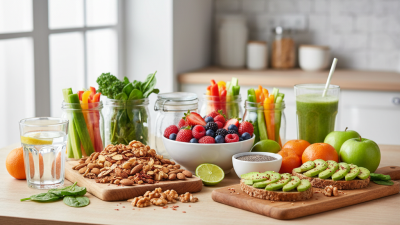
Before contacting suppliers, define what “healthy” means for your business and customers. Plant-based does not automatically mean nutritious. Set practical targets for added sugar, sodium, fiber, and protein per serving, then decide which ingredients fit your standards. Keep it measurable. A snack with recognizable ingredients may appeal to shoppers, but taste and portion size matter too. Specify whether you need individually wrapped bars, crunchy bites, or larger packs for cafés and workplace pantries.

Write down dietary needs and handling details, including allergen preferences, ingredient exclusions, serving size, and expected shelf life. Consider where products will be stored and how quickly staff can restock them. Ask suppliers for ingredient lists, nutrition panels, and clear product specifications. Request samples and compare them under realistic conditions: a snack that tastes crisp at delivery may soften on a warm shelf. A common planning mistake is setting too many requirements before checking what customers actually buy. Start with a focused range, collect feedback, and revise the brief. Not every “clean” ingredient choice will satisfy every customer, and that trade-off deserves honest review. Ensure the supplier can explain how product quality is kept consistent between orders.

Identify Suppliers and Verify Their Credentials

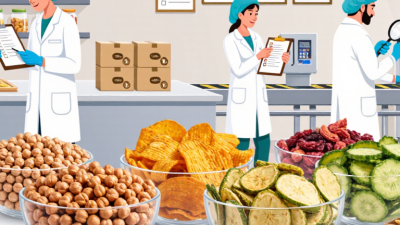
A reliable supplier should offer more than an attractive product sheet. Ask where ingredients are grown, how batches are tracked, and what controls prevent cross-contact with common allergens. Request current food-safety certificates and confirm their scope, issuing body, and expiry date. If a supplier makes nutrition or “plant-based” claims, ask for ingredient specifications and supporting test records. Details matter. A roasted chickpea sample should arrive with a batch code that matches its paperwork, not just a polished label.

Tips: Check references from other business customers. Request a recent audit summary, traceability example, and written recall procedure. Compare documents with the actual product sample. A neat folder can still hide gaps.

Before placing a large order, test a small batch and review texture, flavor, packaging seals, and storage instructions. Ask how the supplier handles ingredient changes and notifies buyers. Confirm lead times and minimum order quantities in writing; vague answers can disrupt a launch. Paperwork is not proof of every batch, so keep your own receiving records and inspect deliveries. I might overlook a detail on a busy day, too. Use a simple checklist, and revisit it when recipes or suppliers change.

Review Ingredients, Nutrition, and Allergen Information

When sourcing plant-based snacks, read the full ingredient list rather than relying on front-of-pack claims. Look for recognizable ingredients, such as roasted chickpeas, oats, seeds, or dried fruit, and check what holds them together. A short list is not automatically better; it still needs to suit your customers and product standards. Small details matter.

Compare nutrition panels using the stated serving size. A 30-gram portion can look quite different from a 50-gram one. Check added sugars, sodium, saturated fat, fiber, and protein, then consider how the snack fits into your assortment. I have found that a “high protein” claim can distract from a large serving of salt. It is worth slowing down. Ask suppliers for current specifications and verify that sample packaging matches the documents.

Allergen information deserves the same close review. Check for declared allergens in the ingredients and warnings about possible cross-contact, especially where nuts, soy, sesame, or gluten-containing grains are handled. Confirm that the supplier’s controls and statements are clear enough for your team to assess. Packaging can change, and records can lag behind. Recheck details before placing repeat orders, and keep a written note of anything that remains uncertain.

How to Source Healthy Plant-Based Snacks for Your Business? — Review Ingredients, Nutrition, and Allergen Information

Screening note: Nutrition figures below are illustrative example profiles per stated serving size, not verified product labels. Values vary by recipe and supplier. Request current product specifications, ingredient statements, allergen declarations, and laboratory or label data before purchasing.

Snack Type Example Ingredient Statement Serving Size Energy Protein Fiber Total Sugars Sodium Allergen Review Supplier Checks
Chickpeas, sunflower oil, sea salt 28 g About 120 kcal About 6 g About 5 g About 1 g About 180 mg Chickpeas are legumes. Check for shared-equipment or facility statements covering peanuts, soy, or other allergens. Confirm oil type, salt level, roast consistency, ingredient traceability, and whether the product is packed in an allergen-controlled facility.
Edamame (soybeans), sea salt 30 g About 130 kcal About 14 g About 5 g About 2 g About 130 mg Contains soy. Review cross-contact controls and any shared-line statements. Verify soy allergen declarations, processing aids, texture and moisture specifications, and packaging barrier requirements.
Apples; some recipes may also include vegetable oil or cinnamon 28 g About 120 kcal About 0 g About 4 g About 20 g About 5 mg Apples are not a U.S. major food allergen. Check for added ingredients and shared-facility allergen statements. Ask whether sugar or oil is added, confirm the drying method, and review moisture, breakage, and shelf-life specifications.
Dates, sunflower seeds, pumpkin seeds, dried cranberries, chia seeds 35 g About 170 kcal About 5 g About 4 g About 7 g About 90 mg Check for sesame, peanuts, and tree nuts in the recipe or production facility. Confirm declarations for every seed and fruit ingredient. Request the full ingredient list, added-sugar details, seed sourcing information, and controls for allergen cross-contact.
Popcorn, sunflower oil, sea salt 28 g About 140 kcal About 3 g About 4 g About 0 g About 150 mg Check flavorings and shared equipment for milk, soy, or other allergens; recipes differ by supplier. Confirm oil and seasoning ingredients, serving-size basis, packaging freshness, and breakage or unpopped-kernel limits.
Lentil flour, rice flour, sunflower oil, seasoning, salt 28 g About 130 kcal About 4 g About 2 g About 1 g About 220 mg Review seasoning for milk, soy, wheat, or other allergens. Lentils are legumes; check facility cross-contact information. Request the exact seasoning sub-ingredients, allergen statement, sodium specification, and finished-product quality limits.

Evaluate Product Quality, Packaging, and Supply Reliability

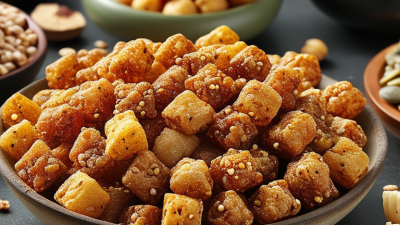
When sourcing plant-based snacks, evaluate the product as it will arrive, not just from a polished sample. Request ingredient lists, allergen statements, and nutrition data, then compare them with the package. Check texture and flavor after opening; a crisp chickpea bite can soften quickly in a humid storeroom. Ask suppliers for shelf-life evidence and storage conditions, rather than relying on a printed date alone. Taste it again. Small differences matter.

Packaging should protect freshness and suit your sales channel. Inspect seals, tear notches, and portion sizes; test packs in transit and on a shelf. Can shoppers read ingredients and serving information without turning the bag three times? Consider whether the material suits your disposal guidance and local collection options, but verify claims with documentation. A “recyclable” label may mean little where customers live. That detail is easy to miss.

Supply reliability needs the same scrutiny as flavor. Ask about typical lead times, minimum order quantities, and how shortages are handled. Request recent delivery records, and agree on how delays will be communicated. Start with a modest order if possible, then track defects, late cases, and customer feedback. Check each batch. I would not judge a supplier from one smooth shipment; that may be luck. Keep notes, even when they feel tedious. A simple scorecard can show whether quality and service remain consistent across seasons.

Compare Costs, Test Samples, and Select Your Suppliers

Compare suppliers on landed cost per sellable snack, not the case price alone. Include freight, minimum orders, packaging, shelf life, and expected waste in your calculation. The Good Food Institute and SPINS reported that U.S. plant-based food retail sales reached $8.1 billion in 2023, down 2% from 2022. That softer market makes pricing and reliable replenishment worth close attention. USDA Economic Research Service data showed food-at-home prices rose 1.2% in 2024, after a larger increase in 2023. Ingredient quotes can still shift, so request pricing windows and clear terms for future orders. Small batches matter.

Test samples under real conditions: store them as your customers will, then check taste, texture, breakage, and packaging after opening. A crisp lentil bite can turn stale in a pouch that looks perfectly sealed. Ask suppliers for ingredient specifications, allergen-control procedures, lot traceability, and recent certificates of analysis where relevant. Compare samples against the same checklist, not memory. It is easy to overvalue a polished tasting sample; I would also test a production batch before committing. Request a written sample plan, delivery schedule, and process for handling inconsistent lots. Choose suppliers who answer specific questions clearly, even when the answer is not convenient.

Back To Top