10 Best Healthy Snack Products for Global Buyers
Healthy snack products are attracting attention from retailers, distributors, and consumers seeking convenient options beyond traditional sweets and salty snacks. For global buyers, a product’s appeal depends on more than its headline ingredient. Taste, texture, pack size, storage needs, and clear product information all affect whether it fits a particular market.
This guide introduces 10 snack categories worth considering, including roasted nuts, fruit snacks, whole-grain bites, and protein-rich options. It looks at practical buying questions: Is the ingredient list easy to understand? Does the package protect crispness during shipping? Are allergens and nutrition details clearly presented? These checks can help buyers compare products without treating a marketing claim as proof of quality. Small details matter.
The list is a starting point, not a universal ranking. Availability, recipes, and consumer preferences change across regions, and product information should be checked with the supplier and on current packaging. A snack that performs well in a warm climate may need different storage or packaging elsewhere. Taste still counts. Nutrition alone cannot predict repeat purchases, and a promising product may not suit every buyer’s budget or audience. That uncertainty deserves attention. With these considerations in view, the selections offer a useful framework for exploring healthy snack products and identifying options that merit closer review.
Understanding Healthy Snacks in Global Food Markets
Healthy snacks occupy a growing space between nutrition goals and everyday convenience. Grand View Research estimated the global healthy-snacks market at USD 92.6 billion in 2023. It projected a 6.2% compound annual growth rate from 2024 to 2030. That points to commercial momentum, not proof that every product labeled “healthy” offers strong nutritional value. Definitions vary. Buyers should check serving sizes, added sugars, sodium, fiber, and protein.
Snack habits also differ across markets. The 2024 State of Snacking report surveyed 3,000 consumers in 12 countries; 91% said they snack daily. Daily snacking creates opportunities, but it does not mean shoppers want the same ingredients or formats. A roasted chickpea pouch may suit one market, while a lightly sweetened oat snack feels more familiar elsewhere. Price, shelf life, package size, and access to cold storage can shape choices as much as nutrition claims. These details are easy to underestimate.
Cross-country survey results can flatten local differences. That is a limitation worth keeping in view. For global buyers, clear ingredient lists and readable nutrition panels make comparisons more reliable than front-of-pack language alone. A snack can sound wholesome and still be high in sodium or added sugar.
10 Best Healthy Snack Products for Global Buyers
Understanding Healthy Snacks in Global Food Markets
Fiber content is shown in grams per 100 g, using representative generic food values from USDA FoodData Central. This is one nutrition comparison—not an overall health ranking. Values can vary by variety, preparation, and processing.
How Buyers Evaluate Nutrition, Quality, and Value
For global buyers, a healthy snack must work on the label and in the supply chain. Compare nutrition per realistic serving, not just per 100 grams. Check protein, fiber, added sugars, sodium, and calories against the product’s purpose. A nut-and-fruit mix, for example, may offer fiber and protein, but portion size can quickly raise calories. Small details matter.
The International Food Information Council’s 2024 Food & Health Survey found that 62% of consumers consider healthfulness when choosing foods, while 60% consider price. These figures underline a practical buyer challenge: nutrition claims must feel credible and affordable. Review ingredient lists, allergen controls, batch traceability, shelf-life data, and supporting quality documents. A “natural” claim alone proves little. Compare like with like, and ask suppliers how testing is performed. The comparison is not perfect; serving sizes and market expectations differ.
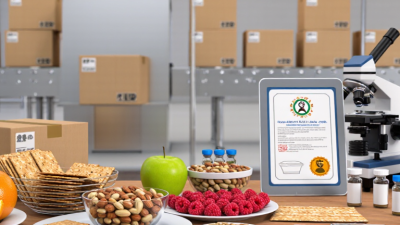
Tips: Request a current specification sheet and sample before placing a large order. Check that nutrition values match the declared serving size, and confirm packaging protects crispness during shipping. Ask for evidence behind claims, not just polished copy. Recheck landed cost, too; freight can change the value calculation.
Ten Healthy Snack Products for International Markets
International buyers need snacks that travel well, meet local tastes, and offer clear nutritional value. Grand View Research estimated the global healthy snacks market at USD 94.2 billion in 2022, projecting 6.6% annual growth from 2023 to 2030. These figures signal commercial interest, not proof that every product is healthy. Shelf stability and portion size matter.
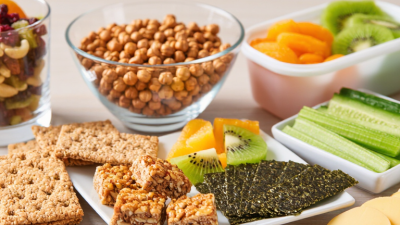
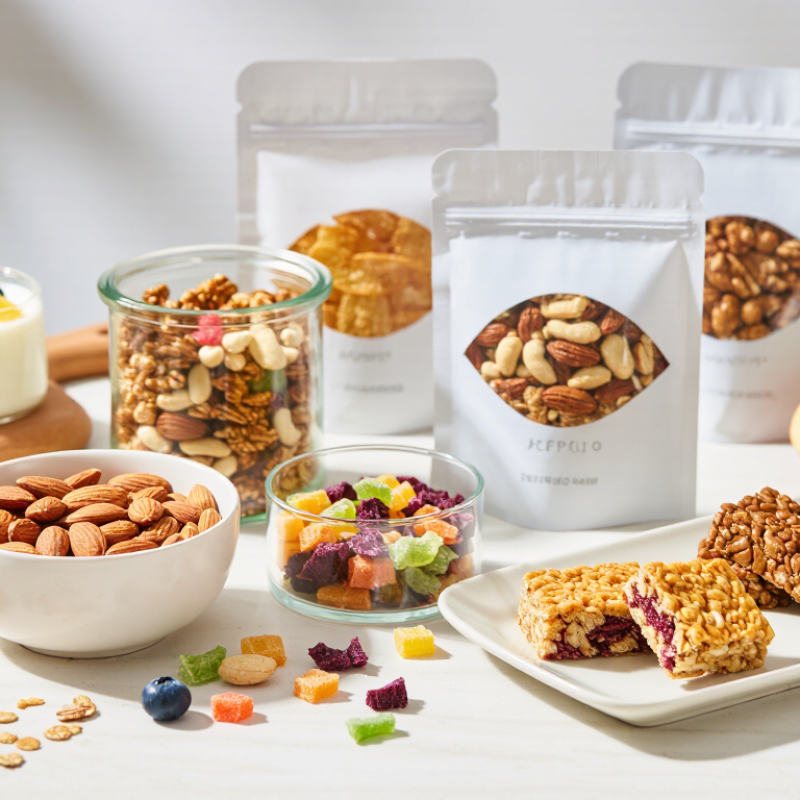
A practical shortlist includes roasted chickpeas, unsalted nuts, seed-and-oat bars, and dried fruit without added sugar. Consider whole-grain crackers, seaweed sheets, plain yogurt cups, and fruit-and-nut bites with modest sugar. Air-popped popcorn and single-serve hummus with vegetable sticks round out the ten. Small packs matter. Buyers should check ingredient lists, allergen statements, and nutrition panels against target-market requirements.
The World Health Organization recommends limiting free sugars to less than 10% of daily energy intake, with further benefit suggested below 5%. That guidance supports careful sugar screening, but it does not replace local dietary advice. Test texture after shipping, too: crisp snacks can soften, while dried fruit may clump in humidity. This shortlist is imperfect; consumer preferences and product rules vary by market. Pilot shipments and local taste tests can reveal problems before large orders.
10 Best Healthy Snack Products for Global Buyers – Ten Healthy Snack Products for International Markets
Nutrition figures are approximate typical values per listed serving; actual values vary by recipe and supplier. Shelf-life ranges are indicative and depend on packaging and storage conditions.
| Snack Product |
Typical Ingredients |
Serving |
Energy |
Protein |
Fiber |
Total Sugars |
International Market Considerations |
Indicative Shelf Life |
| Roasted Chickpeas |
Chickpeas, vegetable oil, salt, spices |
30 g |
120 kcal |
6 g |
5 g |
1 g |
Plant-based format; declare legume allergens where required and check local rules for permitted seasonings. |
6–12 months |
| Freeze-Dried Fruit |
Single fruit or mixed fruit; typically no added oil |
20 g |
70 kcal |
1 g |
4 g |
12 g |
Lightweight and suitable for ambient distribution; fruit type, origin, and natural sugars should be clearly identified. |
12–24 months |
| Whole-Oat Fruit Bar |
Rolled oats, dried fruit, seeds, fruit syrup or other binder |
40 g |
160 kcal |
4 g |
4 g |
10 g |
Convenient single-serve format; verify oat and cross-contact allergen declarations for each destination market. |
6–12 months |
| Seed Crackers |
Whole grains, flaxseed, sunflower seeds, sesame seeds, water, salt |
30 g |
140 kcal |
5 g |
3 g |
1 g |
Crisp, shelf-stable option; sesame and other seed-allergen labeling requirements differ by destination. |
6–12 months |
| Nut-and-Fruit Trail Mix |
Nuts, dried fruit, and optionally seeds |
30 g |
170 kcal |
5 g |
3 g |
8 g |
Popular for portable snacking; clearly identify nut types and account for nut-allergen and import requirements. |
6–12 months |
| Roasted Edamame |
Whole soybeans, vegetable oil, salt, optional seasoning |
30 g |
130 kcal |
13 g |
5 g |
2 g |
High-protein plant-based format; soy is a major allergen in many labeling systems. |
6–12 months |
| Roasted Seaweed Sheets |
Seaweed, small amount of oil, salt |
5 g |
30 kcal |
1 g |
1 g |
0 g |
Compact snack format; protect from moisture and check applicable rules for seaweed species and iodine information. |
6–12 months |
| Single-Serve Nut Butter |
Peanut or tree-nut paste; some recipes include salt |
32 g |
190 kcal |
7 g |
3 g |
2 g |
Portable and generally shelf-stable; specify the nut source and manage allergen controls carefully. |
6–12 months |
| Plain Brown-Rice Cakes |
Puffed brown rice; plain versions may contain no added salt or sugar |
18 g |
70 kcal |
1.5 g |
0.5 g |
0 g |
Simple ambient product; flavored varieties require separate ingredient and nutrition checks. |
6–12 months |
| Fruit-and-Nut Bites |
Dates or other dried fruit, nuts, seeds; sometimes cocoa |
30 g |
130 kcal |
3 g |
3 g |
12 g |
Often made without refined sugar, but naturally occurring sugars remain; declare nuts and other allergens. |
6–9 months |
Packaging, Shelf Life, and Food Safety Across Borders
10 Best Healthy Snack Products for Global Buyers
Packaging, Shelf Life, and Food Safety Across Borders
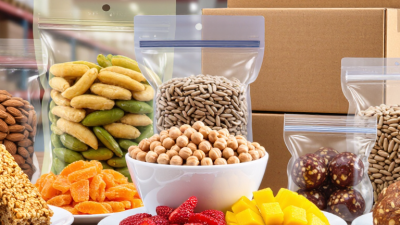
A crisp snack can lose its appeal during a long, humid shipment. For nuts, dried fruit, and grain bars, buyers should ask how packaging limits moisture, oxygen, and light. A pouch that feels sturdy is not proof of protection. Request shelf-life data tied to the actual recipe, package, and expected storage conditions. Small details matter.
Shipping conditions vary. A container may sit on a hot dock before reaching a warehouse, so temperature limits and storage instructions should be clear. Products requiring controlled temperatures need a realistic cold-chain plan. Check that seals remain intact after handling, and that lot codes are readable on every unit. Testing matters more than optimistic date estimates.
Food safety documents deserve the same scrutiny as flavor samples. Ask suppliers about allergen controls, sanitation procedures, and traceability records. Then check destination-market requirements for ingredient declarations, language, date formats, and permitted claims; these rules differ by country and can change. A label translated literally may still confuse shoppers. Packaging choices also involve trade-offs: lighter materials can reduce shipping weight, but may not protect fragile snacks well. I would not assume one package suits every route. Review samples after transport, not just on a desk.