What Are Healthy Snack Ideas for Global Buyers?
Global buyers are seeking healthy snack ideas that satisfy changing tastes, nutrition expectations, and practical sourcing demands. A snack may look wholesome, yet contain excessive sugar, sodium, or unfamiliar additives. The details matter.
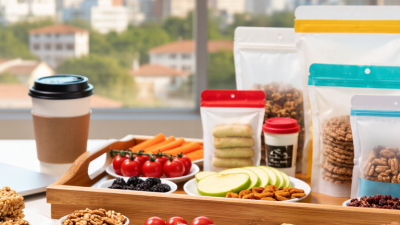
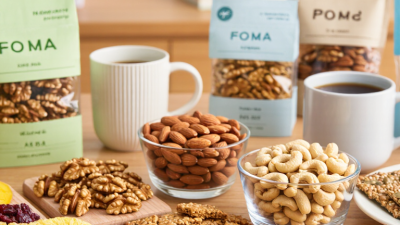
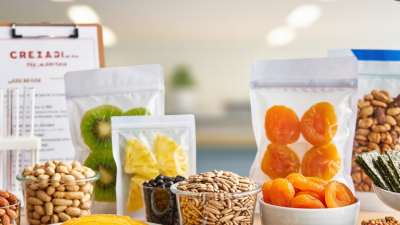
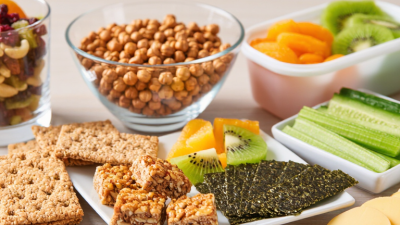
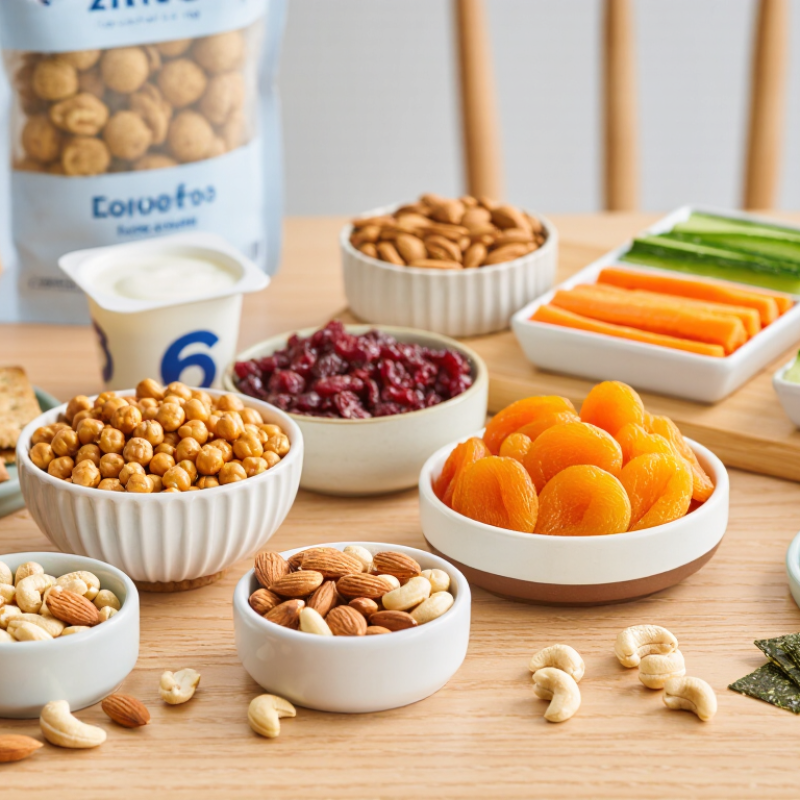
Michael Pollan, food writer and widely recognized food-system expert, offers a simple rule: “Eat food. Not too much. Mostly plants.” This principle can guide international snack selection. Buyers might consider roasted chickpeas, unsalted nuts, dried fruit without added sugar, whole-grain crackers, and vegetable-based bites. Each option should be reviewed for protein, fiber, portion size, and ingredient transparency. A small nut pack feels different from a brightly colored sweet bar. Packaging influences decisions.
Global purchasing requires more than attractive nutrition claims. Buyers should check allergen declarations, serving sizes, shelf stability, certifications, and local labeling requirements. Ingredients accepted in one market may confuse consumers in another. Regional preferences also matter. A mildly spiced lentil snack may appeal to one audience, while another prefers seaweed, fruit, or yogurt-based products.
No list is perfect. “Healthy” depends on the full diet and the portion consumed. That is the uncomfortable part. A snack with natural ingredients can still be calorie-dense. Buyers should request laboratory data, supplier traceability, and clear evidence behind health claims. They can also test texture, flavor, and packaging with real consumers before placing large orders. Thoughtful sourcing turns healthy snack ideas into reliable products, not just attractive promises.
Defining Healthy Snacks for Global Buyers
Defining Healthy Snacks for Global Buyers
A healthy snack is more than a “natural” label or attractive green packaging. It should offer useful nutrients, controlled portions, and clear ingredient information. The 2024 IFIC Food & Health Survey found that 91% of Americans snack at least once daily. This signals strong demand, although American behavior cannot represent every market. Buyers should study regional eating habits before setting one global formula.
Nutrition targets need practical boundaries. The World Health Organization recommends limiting free sugars to below 10% of daily energy, with further benefits below 5%. Sodium should remain under 2,000 milligrams daily for adults.
Roasted chickpeas, unsweetened dried fruit, nuts, and whole-grain crisps can fit this definition. However, nuts require prominent allergen controls, while dried fruit can contain concentrated sugars. Healthy is not automatically low-calorie.
Portion size matters.
Global buyers should review laboratory results, serving weights, allergen statements, and shelf-life evidence. Codex food-labelling principles support clear, truthful information across markets, but local rules still differ.
A snack with familiar ingredients may perform better than an imported “superfood.” That assumption needs testing. Taste panels, retailer feedback, and repeat-purchase data can reveal whether nutrition claims match real consumer experience.
Some products will need reformulation for sodium, sweetness, or texture. That is acceptable. Credibility grows when suppliers document both strengths and limitations.
Key Nutrients to Consider in Snack Selection
Healthy snack selection becomes easier when buyers examine nutrients, not attractive packaging. Protein can support fullness, while fiber helps maintain digestive health. Nuts, roasted chickpeas, seeds, and whole-grain bites can provide both.
Check the nutrition panel carefully. Look for moderate sodium and limited added sugar, especially in dried fruit or flavored products. Unsweetened options may taste less exciting at first. They often work better for regular consumption. Healthy fats from seeds, nuts, or avocado-based ingredients can improve texture and satisfaction. Portion size still matters. Even nutrient-dense foods can supply excessive calories when eaten directly from a large bag.
Micronutrients also deserve attention. Calcium, iron, potassium, and vitamin D may help fill common dietary gaps, depending on the product and local diet. Buyers should compare serving sizes across countries because labeling rules differ. Allergen statements need close review, particularly for peanuts, tree nuts, milk, soy, and wheat. I have found that simple ingredient lists are easier to verify, but “natural” wording does not guarantee better nutrition. No snack is perfect. A product with excellent fiber may contain too much sodium, while a low-sugar option may lack protein. Taste testing with real consumers can reveal this gap before large orders are placed. Temperature, humidity, and transport time may also affect texture and freshness.
Healthy Snack Ideas Across Different Food Cultures
Healthy snacking changes meaning across food cultures.
In the Middle East, roasted chickpeas offer crunch, protein, and familiar spice. In East Asia, lightly salted edamame provides plant protein with a soft, fresh texture. Latin American shoppers may prefer fruit with lime and chili, while European buyers often choose plain yogurt, seeds, or whole-grain crackers. Familiar flavors matter. A nutritious snack can still fail if it feels culturally distant.
The World Health Organization and FAO recommend at least 400 grams of fruit and vegetables daily for adults.
Snacks can help buyers approach that target, especially through dried fruit, vegetable cups, or bean-based bites. However, drying concentrates natural sugar, and seasoning can raise sodium quickly. The 2024 IFIC Food & Health Survey found that about seven in ten Americans were trying to limit or avoid sugar. That concern is relevant globally, but sweetness preferences vary widely.
Portion size needs careful testing.
A small nut pouch may suit office workers, while a larger family pack fits shared tea rituals. Clear allergen statements, recognizable ingredients, and accurate nutrition panels build trust across markets. I would not call every traditional snack healthy. Fried dough, sweetened drinks, and heavily salted mixes can remain occasional choices. Reformulation can also weaken texture or cultural identity. Buyers may reject a cleaner label if the taste feels wrong. Local sensory trials are imperfect, but they reveal more than assumptions.
How to Evaluate Ingredients, Safety, and Certifications
When global buyers assess healthy snacks, “healthy” is not a sufficient purchasing standard.
Examine the full ingredient list, not only front-label claims. Prefer recognizable ingredients with limited added sugar, sodium, and artificial additives. Check serving sizes carefully. A snack may appear low in sugar until the package contains three servings. Fiber, protein, and allergen information also deserve attention. Details matter. Ingredient names should be clear and consistent across languages.
Food safety requires evidence beyond attractive packaging.
Ask suppliers for recent certificates of analysis covering microbiological risks, heavy metals, allergens, and moisture levels. Confirm the production date, shelf life, storage temperature, and batch identification. A readable batch code supports faster traceability during a quality investigation. Packaging should resist humidity, crushing, and contamination during long-distance shipping. Do not rely on verbal assurances alone. Request documented recall procedures and product samples from actual production lots.
Certifications can support trust, but buyers should verify them independently.
Check the issuing body, certificate scope, facility address, expiration date, and covered product category. Organic, vegan, gluten-free, and food-safety standards may differ between markets. A certificate from one country may not satisfy another country’s import requirements. Paperwork can mislead. Compare certificate details with laboratory reports and the product label. I would still leave room for doubt, because one missed translation or outdated file can create expensive problems. A careful buyer reviews the label in the destination language and confirms requirements with the relevant food authority.
Practical Tips for Buying and Comparing Global Snack Options
Healthy snack buying becomes harder when products cross borders. Ingredients, serving sizes, and nutrition labels may follow different standards. A practical comparison starts with the nutrition panel, not the front package.
Check added sugar, sodium, saturated fat, fiber, and protein per 100 grams. This creates a fairer comparison between different package sizes. A snack with nuts, seeds, dried fruit, or whole grains may offer better texture and longer energy. Still, dried fruit can contain concentrated sugar. Portion size matters.
Look closely at the ingredient list. Fewer unfamiliar additives can make product evaluation easier, but “natural” does not always mean healthier. Review allergen statements, storage instructions, shelf life, and packaging damage before purchase. Imported snacks should also meet the destination market’s food-safety and labeling requirements. Local rules can differ significantly.
Test a small quantity first. This reduces waste and reveals whether the flavor suits local preferences. In purchasing work, one easy mistake is trusting attractive packaging too quickly. I have found that a bright package can hide a small serving or high sodium content. Compare the cost per serving, not only the total price. Also consider heat exposure during shipping, especially for chocolate, nut products, and soft bars. A simple scorecard can track nutrition, ingredients, price, shelf stability, and consumer appeal. It will not remove every judgment call.