Skip to content

10 Best Snack Products for Wholesale Buyers

Snack products are a substantial part of everyday food retail, but wholesale buyers need more than familiar brands. They must weigh shelf life, case size, landed cost, ingredient expectations, and the pace of repeat purchases. Small details matter: a resealable pouch may suit a convenience store, while a sturdy multipack can work better for a family-oriented retailer. There is no single best fit for every channel.

Mondelēz International’s 2024 State of Snacking report found that 91% of surveyed consumers snack at least once a day. The finding signals broad demand, not a guarantee that any particular product will sell. It is a consumer survey, not a wholesale sales ledger, so buyers should pair it with local sell-through and margin data. Demand is broad. Execution still matters.

This guide examines 10 snack products worth considering for wholesale assortments, from portable bars and nuts to savory options and portion-controlled packs. Each choice should be checked against supplier reliability, clear labeling, storage needs, and the customers a buyer actually serves. A popular trend can still leave cartons sitting in a storeroom. That risk deserves a place in the forecast. The aim is not to promise a winning SKU, but to offer practical options buyers can assess against their own sales history and shelf space.
10 Best Snack Products for Wholesale Buyers

How Wholesale Buyers Evaluate Snack Products

Wholesale buyers assess snack products by more than taste. They consider whether a product fits the store, customer, and budget. A tasty sample helps. But it is not enough. Buyers compare portion size, packaging, and shelf visibility. A small pouch may suit checkout displays, while a larger bag could work better for family shopping.

Price should include more than the quoted unit cost. Calculate freight, case quantity, and expected waste before comparing suppliers. Shelf life deserves close attention, too. Ask how long the product remains fresh and what storage conditions it needs. Check the date format and case labeling. Small details matter. A product with a tight best-before window may be harder to stock, even when its price looks attractive.

Buyers should review ingredient and allergen information, packaging durability, and supply consistency. Request specifications and compare them with the sample. Check whether bags seal properly and cartons arrive intact. A single tasting can mislead; texture may change after opening. Repeat the check with more than one sample when possible. No checklist catches everything, and buyers may still misjudge local demand. Recording trial orders and customer feedback can make the next purchasing decision more grounded.

Ten Snack Products with Strong Wholesale Potential

Wholesale buyers need snacks that travel well, fit different basket sizes, and earn repeat orders. Grand View Research valued the global snack-food market at about US$1.45 trillion in 2023. It forecasts 6.2% annual growth through 2030. That broad trend does not guarantee every product will sell.

Ten options offer varied price points and eating occasions: roasted nuts, trail mix, protein bars, granola bites, popcorn, pretzels, rice cakes, dried fruit, baked chickpea crisps, and dark chocolate. The IFIC 2024 Food & Health Survey found that 71% of Americans were trying to consume protein. Nuts and protein bars may therefore suit buyers serving protein-focused shoppers. Pack size matters too. Single-serve bags work near checkout, while larger pouches can suit pantry restocking.

Shelf stability helps simplify storage. So does a clear ingredient panel. Still, the fit is not automatic. A large bag may move slowly in a small convenience store, and some buyers may avoid products with common allergens. Test a few pack sizes before committing to deep inventory. Track reorder rates, not just opening-week sales. Small pilots help.

Key Features and Uses of Each Snack Category

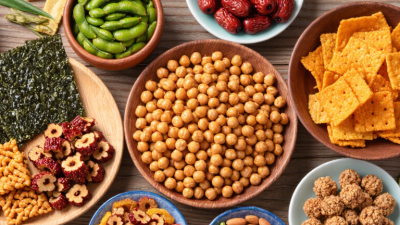
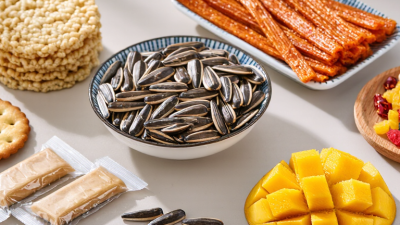
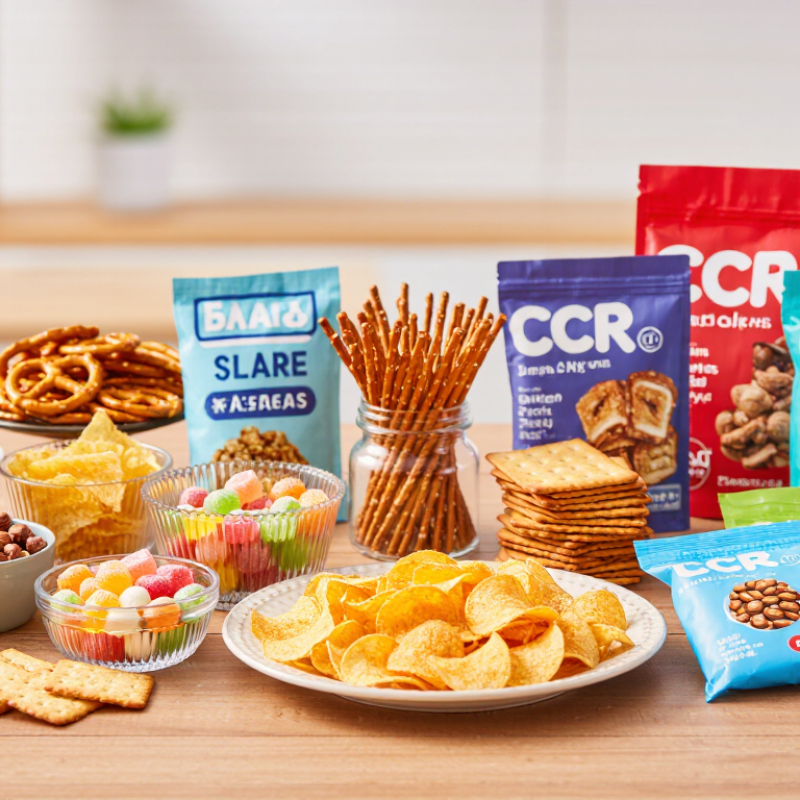
For wholesale buyers, the best snack mix depends on storage, portion size, and customer habits. Nuts offer crunch and protein, but clear allergen information is essential. Dried fruit travels well and adds natural sweetness to lunch packs or snack displays. Granola bars suit checkout areas and vending machines, though heat can soften some varieties. Popcorn is light and easy to portion for cinemas, offices, or family events. Crackers pair well with cheese and spreads, while chips provide familiar, savory options for quick-service counters. Small details matter.

Tips: Check case dimensions, best-before dates, and packaging strength before ordering. Compare cost per serving, not only cost per case. Ask for samples when possible. Not always.

Pretzels are sturdy, shareable, and useful in mixed snack assortments. Cookies can attract shoppers seeking a sweet treat, but fragile pieces may arrive broken if cartons are poorly packed. Trail mix combines nuts, fruit, and grains in one portable option; recipes vary, so review ingredients and allergen details carefully. Rice cakes are crisp and lightweight, making them suitable for low-mess snack shelves, though some customers find them plain. I would not assume every category sells equally well. A small trial order can reveal which textures, pack sizes, and flavors actually move in your store.

10 Best Snack Products for Wholesale Buyers - Key Features and Uses of Each Snack Category

Snack Category Key Features Common Formats Typical Uses and Sales Channels Wholesale Buying Considerations
Potato Chips Crisp, savory slices commonly seasoned with salt or other flavorings; available in a range of cuts and textures. Single-serve bags, multipacks, and larger sharing bags. Convenience stores, vending, cafeterias, lunch programs, and casual food service. Protect from crushing and moisture. Compare bag sizes, case quantities, seasoning options, and best-before dates.
Pretzels Baked wheat-based snacks that are typically crisp and savory; shapes include twists, sticks, and thin pieces. Individual packs, family-size bags, and bulk food-service packs. Break rooms, vending, snack assortments, cafés, and party or catering supplies. Check for wheat and other allergen information. Review breakage risk, pack size, and whether the product suits portion-controlled sales.
Popcorn Popped corn sold plain, salted, sweetened, or seasoned; ready-to-eat and unpopped varieties are available. Single-serve bags, sharing bags, multipacks, and kernels for preparation. Entertainment venues, convenience retail, offices, cafés, and seasonal snack displays. Ready-to-eat popcorn needs packaging that helps preserve crispness. For kernels, consider preparation equipment and storage requirements.
Crackers Dry, crisp baked products available in plain, salted, whole-grain, and flavored varieties. Portion packs, sleeves, retail boxes, and bulk catering cartons. Food-service platters, cafés, hospitality, pantry programs, and retail snack aisles. Compare breakage protection, serving size, ingredient and allergen details, and suitability for pairing with spreads or cheese.
Nuts Available raw, roasted, salted, or seasoned; varieties differ in flavor, texture, and common allergen status. Single-serve pouches, resealable bags, and bulk packs. Retail snack sections, offices, hospitality, catering, and ingredient use in food preparation. Review allergen declarations and cross-contact information. Store according to supplier guidance; protect from heat and moisture.
Dried Fruit Fruit with much of its water removed; commonly sold as whole pieces, slices, or mixed varieties. Portion pouches, resealable bags, and bulk ingredient packs. Lunch programs, trail mixes, snack displays, baking, and food-service preparation. Check whether added sugar or preservatives are used, along with ingredient specifications, pack size, and storage guidance.
Granola Bars Portable bars commonly made with cereal grains and ingredients such as seeds, dried fruit, or sweeteners. Individually wrapped bars, multipacks, and assorted cartons. Convenience retail, vending, school or workplace pantries, and travel-oriented snack assortments. Compare portion size, ingredient and allergen information, bar texture, and packaging integrity during transport.
Cookies Baked sweet snacks offered in varied flavors and textures, from crisp to soft. Individually wrapped units, multipacks, retail packs, and food-service cartons. Cafés, hospitality, vending, pantry programs, and checkout displays. Check packaging protection for fragile products, serving sizes, allergen declarations, and best-before dates.
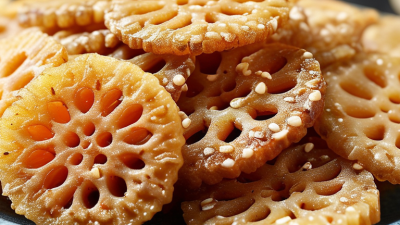
Rice Cakes Light, crisp cakes made primarily from puffed rice; sold plain or with added seasonings or coatings. Retail sleeves, multipacks, and individually wrapped portions. Retail snack aisles, office pantries, cafés, and snack programs seeking a crisp, light-format option. These products can be fragile. Review cushioning, pack configuration, flavor range, and ingredient information.
Trail Mix A blended snack that may combine nuts, seeds, dried fruit, and other components; recipes vary by supplier. Single-serve pouches, resealable bags, and bulk packs. Convenience retail, vending, outdoor-oriented assortments, workplaces, and food-service snack stations. Check the full ingredient list and allergen information, component proportions, portion sizes, and storage instructions.

Shelf life, storage conditions, ingredients, and packaging specifications vary by product. Confirm current details with the supplier before purchasing.

How to Compare Suppliers, Pricing, and Shelf Life

When comparing snack suppliers, look beyond the price on the first quote. Ask for case size, minimum order, freight charges, and payment terms, then calculate the delivered cost per sellable unit. A low unit price can disappear when cartons arrive with excess packaging or costly shipping. Request a sample case and inspect seals, breakage, and portion sizes. Small details matter.

Shelf life needs the same careful check. Ask how much usable life remains when an order leaves the warehouse, not just the product’s total shelf life. Compare date coding, storage instructions, and the supplier’s process for handling short-dated stock. For a new item, order conservatively and track weekly sales before committing to larger volumes. Slow movers can tie up cash.

Reliability shows in the paperwork and the conversation. Can the supplier provide ingredient and allergen information, product specifications, and a clear process for reporting damaged goods? Do quoted lead times match what the team can actually support? Get key terms in writing. Samples are useful, but they cannot predict every shipment. I would still leave room for a wrong forecast; buyers get that call wrong sometimes.

How to Build a Balanced Wholesale Snack Assortment

A balanced wholesale snack assortment should serve different moments, budgets, and tastes. Stock familiar staples, such as baked crackers, pretzels, popcorn, and roasted nuts, alongside dried fruit and portion-sized sweets. Shoppers often want a quick desk snack, while families may prefer larger bags for sharing. Keep it varied. Offer several price points, but avoid filling every shelf with near-identical products.

Mix textures and flavors, too: crunchy, chewy, lightly salted, and mildly sweet options help customers compare without overwhelming them. Include clearly labeled choices for common preferences, such as lower-sugar or plant-based snacks, and verify ingredient and allergen information with suppliers. I’ve seen neat-looking assortments underperform when pack sizes didn’t match shoppers’ routines. A small trial order can reveal more than a polished forecast. Track sell-through, repeat orders, damaged packaging, and slow-moving stock before expanding a category. Some seasonal products deserve space, though predicting demand is imperfect. Leave room to adjust. Rotate inventory by date, and keep popular staples easy to find.

10 Best Snack Products for Wholesale Buyers

How to Build a Balanced Wholesale Snack Assortment

Suggested planning mix across 100 assortment slots—not market-share data. It balances familiar favorites, portable options, and choices for varied dietary preferences. Adjust the allocation to suit customer demand and pack sizes.

Back To Top