China Top Best Snack Suppliers for Global Buyers
China is a major sourcing base for buyers seeking packaged snacks, confectionery, baked goods, and better-for-you options. Yet “best snack” means different things in different markets. A retailer may prioritize familiar flavors and shelf-ready cartons. A distributor may care more about stable production, traceable ingredients, and dependable delivery.
This guide introduces Chinese snack suppliers and offers practical ways to assess them. Product photos and price lists are only a starting point. Ask for ingredient specifications, allergen details, shelf-life data, export references, and current quality certificates. Where practical, verify certificates with the issuing organization. Then request samples and compare taste, texture, portion size, and packaging against your market’s needs. A crisp rice cracker may arrive intact in one trial and lose its crunch during a humid journey. Small details matter.
Clear communication matters, too. Confirm minimum order quantities, lead times, customization limits, carton dimensions, and shipping terms in writing. Check destination-market labeling requirements before approving artwork. A polished catalog is not proof. Neither is a low quote. Supplier capabilities can vary by product line, factory, and season, so verify details for each order. This takes time. It can prevent costly surprises. No supplier is perfect, and even careful checks cannot remove every risk. The aim is a dependable match: appealing products, transparent records, and a business relationship that can improve through honest feedback. These criteria can help buyers shortlist China’s best snack suppliers with greater confidence.
China’s Snack Supplier Landscape for Global Buyers
China’s snack supplier landscape is broad, but not uniform. Suppliers cluster around production hubs, with capabilities spanning nuts, dried fruit, baked snacks, and seasoned products. iiMedia Research estimated China’s leisure-food market at about RMB 1.16 trillion in 2023. This market estimate signals scale, not guaranteed export readiness. A large domestic market does not automatically mean reliable overseas fulfillment.
For global buyers, supplier evaluation should go beyond catalogs and quoted prices. Ask for product specifications, ingredient lists, recent test reports, traceability records, and shelf-life evidence. Check whether a factory can keep texture and flavor consistent across production batches. Packaging matters too: a crisp snack can arrive soft if the barrier film or carton setup is weak. The USDA Foreign Agricultural Service’s China Exporter Guide discusses the importance of understanding Chinese food production and export channels; buyers should still verify each supplier’s actual export experience.
China’s National Bureau of Statistics recorded total retail sales of consumer goods at RMB 47.15 trillion in 2023, providing useful context for the wider market. It is not snack-specific. Factory visits can reveal practical details, such as line changeover controls and storage conditions, that a video call may miss. A spreadsheet cannot reveal everything. Even a well-documented supplier may have gaps; buyers should record unresolved questions and test samples before committing to large orders.
China’s Food Retail Demand: A Market Context for Global Snack Buyers
In 2024, retail sales of grain, oil and food grew faster than overall retail sales in China. This broad category is a demand indicator, not a direct measure of snack sales or supplier capacity.
Source: National Bureau of Statistics of China, 2024 retail sales by category; year-on-year growth.
Major Snack Categories Available from Chinese Suppliers
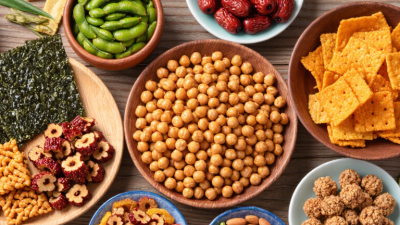
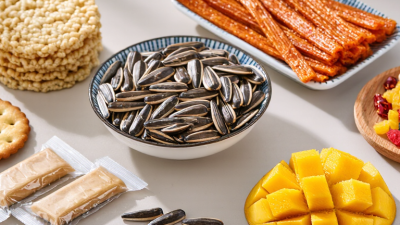
Chinese suppliers offer a broad mix of snacks for different markets and eating occasions. Nut and seed products range from roasted peanuts and sunflower seeds to seasoned mixed nuts. Buyers can specify salt levels, roasting style, and pack size. Dried mango, apple, and coconut are common choices, though sweetness and texture can vary between batches. Check ingredient lists and moisture levels against your product requirements.
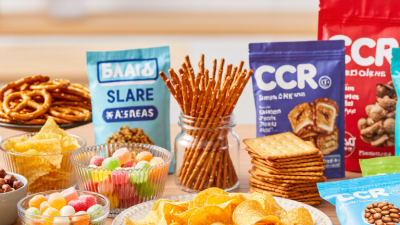
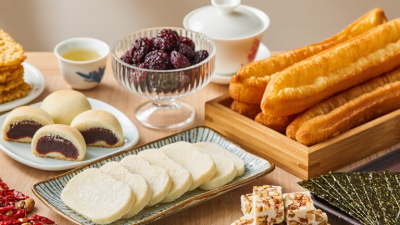
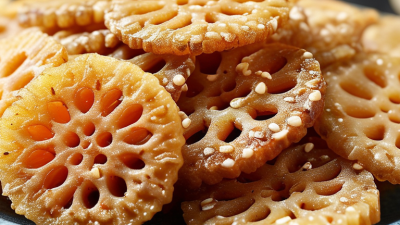
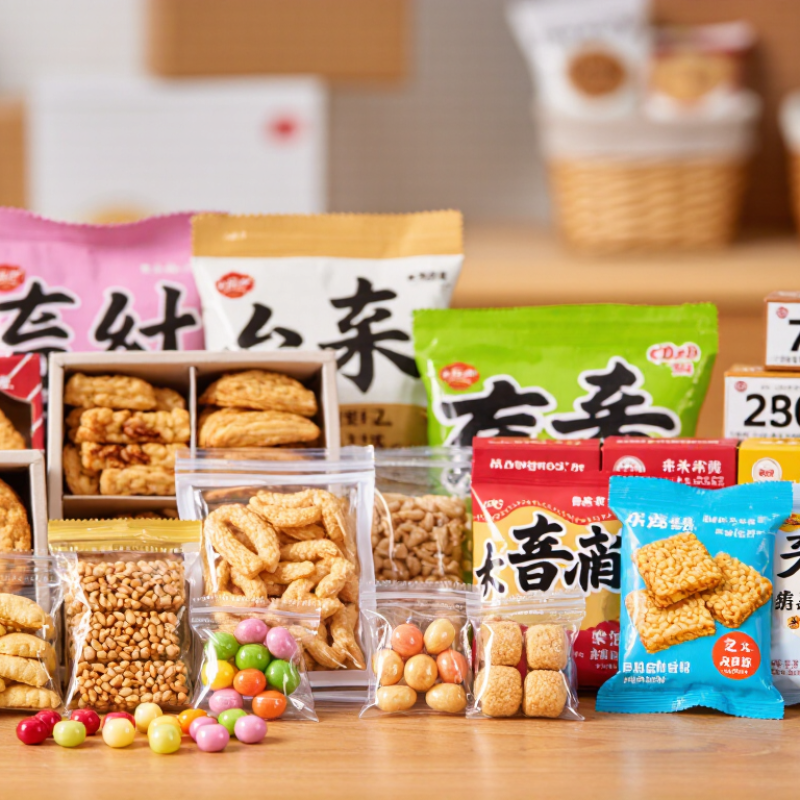
Rice crackers, puffed grain snacks, and wheat-based biscuits provide crisp options for retail packs or food-service use. Some factories also make potato or corn chips in assorted shapes and seasonings. Sweet categories include hard candies, gummies, chocolate-coated snacks, and traditional pastries. Texture matters. A crisp cracker should stay crisp after opening, while a fruit snack should not feel sticky or overly dry.
For evaluation, request product specifications, allergen information, shelf-life data, and packaging details. Compare samples from more than one production run when consistency is important. A polished sample alone proves little. Ask how suppliers control seasoning, sealing, and batch records, then confirm these points during a factory review where possible. I have found that small differences in oiliness or sweetness can matter more to repeat buyers than a long flavor list.
How to Evaluate a Chinese Snack Supplier
Choosing a Chinese snack supplier takes more than comparing prices or polished product photos. Ask for a current product specification, ingredient list, and sample linked to a production batch. Check whether food-safety certificates cover the site and product category you plan to buy. Details matter. Confirm allergen handling, cleaning records, and how staff separate rework from finished goods.
Evaluate consistency, not just taste. Request samples from separate production runs, then compare weight, texture, seal quality, and date coding. Ask how the supplier tracks ingredients and finished cartons by lot, and how quickly it can share records. Try giving a lot code and requesting its ingredient and shipment history. If answers stay vague, pause. Check export experience for your destination, including label language, shelf-life evidence, and shipping conditions. Confirm requirements independently.
Discuss capacity, lead times, minimum order quantities, and change control before paying for custom packaging. Ask what happens when an ingredient changes or a delivery slips. The reply can reveal more than a sales deck. One limitation: a brief visit or video call cannot prove daily controls; request dated records and follow-up checks. Suppliers may still make mistakes.
Food Safety, Export Compliance, and Shipping Requirements
Choosing a snack supplier in China involves more than comparing price, flavor, and production capacity. Food safety checks should cover ingredient specifications, allergen controls, hygiene procedures, and batch traceability. Ask for recent test reports and a certificate of analysis where relevant. Check that lot codes on cartons match production records. Small details matter.
Export documents must match the goods and the destination market. Confirm the commercial invoice, packing list, product descriptions, and origin details before dispatch. Import rules differ, so buyers should verify labeling, nutrition panels, language, and required certificates with local authorities or a qualified broker. Do not assume one label works everywhere. Paperwork can look complete and still leave a gap.
Shipping conditions affect quality. Crisps need protection from moisture and crushed cartons; chocolate snacks may need temperature control during warm-weather transit. Agree on packaging strength, pallet details, container loading, and delivery terms in writing. Request photos before sealing the container, and retain samples from the shipped batch. Delays happen. A realistic buffer helps, though it cannot prevent every disruption. Review the route and seasonal risks before confirming the shipment.
Profiles of Leading Chinese Snack Suppliers
Chinese snack suppliers vary widely in scale, product focus, and export readiness. The strongest fit is not always the largest factory. Buyers should compare production controls, communication, and product consistency against their own requirements.
One supplier profile is the export-focused manufacturer. These businesses often handle mixed cartons, multilingual specifications, and routine export documentation. Ask how they check pouch seals and moisture barriers. A small leak can soften crisp snacks during a long shipment. Request recent batch records and a sample packed in the intended retail format. Details matter.
Another profile is the regional specialty producer, often experienced with local grains, nuts, or dried fruit. Its recipes may offer distinctive textures and flavors. That can help a buyer build a more varied range. Yet traditional production does not automatically mean stable output. Check ingredient specifications, allergen controls, and how the factory responds when harvest quality changes. Ask for consistency data, not just a tasting sample.
Contract manufacturers may provide more customization, including seasoning adjustments and private-label packaging. Their flexibility is useful, but timelines can shift when packaging materials arrive late. Confirm minimum order quantities, sample approval steps, and who owns final artwork files. No profile tells the whole story. A factory visit or independent audit can reveal gaps that polished brochures miss.